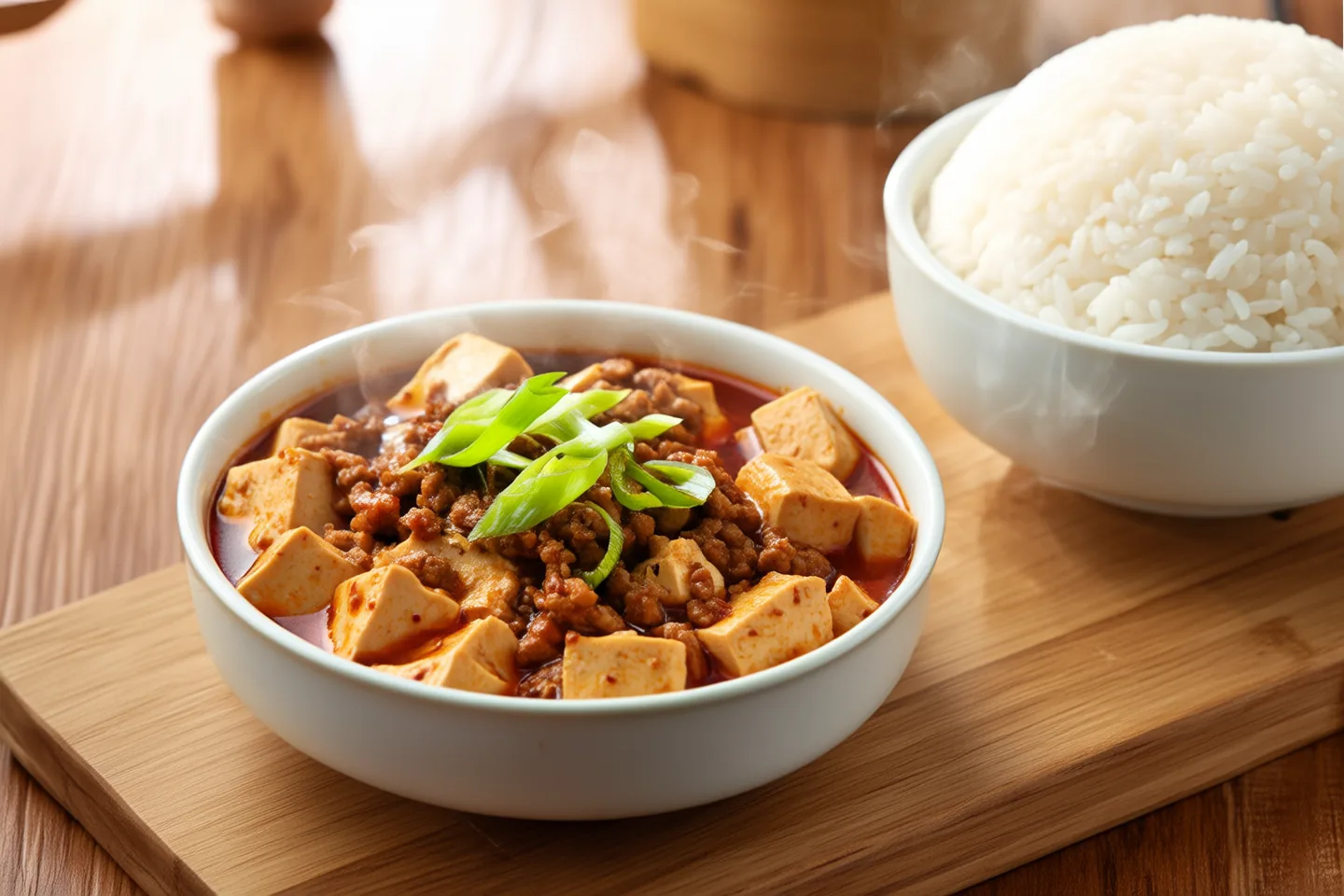
Mapo Tofu (麻婆豆腐)
麻婆豆腐 · má pó dòu fu
Named after 'Pockmarked Grandma Chen' of Chengdu in the 1800s. The home version is a weeknight staple across China — silken tofu in a spicy, numbing, bean-paste sauce that exists to be poured over rice.
Recipe author: HǎoWèi Test Kitchen
Home-cooking research team
Reviewed by HǎoWèi editorial team · Last updated 2026-08-29
Ingredients
- silken or soft tofu嫩豆腐🏮 asian400 g
- ground pork (or beef)猪肉末🛒 local150 g
- doubanjiang (fermented chili bean paste)郫县豆瓣酱🏮 asian1.5 tbsp
- fermented black beans (douchi), rinsed & minced (optional)豆豉🏮 asian1 tsp
- garlic, minced蒜末🛒 local2 cloves
- ginger, minced姜末🛒 local1 tsp
- scallions, white part + green part separated小葱🛒 local3 stalks
- chili flakes (or 2 dried chilies)辣椒面/干辣椒🛒 local1 tsp
- Sichuan peppercorn, ground花椒粉🏮 asian1 tsp
- light soy sauce生抽🏮 asian1 tbsp
- chicken stock (or water + 1/2 tsp mushroom powder)高汤/水🛒 local250 ml
- cornstarch slurry (1 tbsp cornstarch + 2 tbsp water)水淀粉🛒 local3 tbsp total
- neutral oil食用油🛒 local2 tbsp
silken or soft tofu: Medium-firm works too — handle gently.
ground pork (or beef): Skip for vegetarian version.
🌶️ Adjust to your taste
Pick a level and we'll show exactly how much to change — no more "适量".
Spice level
Saltiness
Oiliness
Make it vegetarian
Instructions
1Cut tofu into 2 cm cubes. Blanch in gently simmering salted water for 2 minutes, then drain (keeps it from breaking and warms it up).
豆腐切块焯水
🔍 Look for Medium heat 2 分钟 · 2 minutesVisual: 水微微冒泡,豆腐块浮起且不粘连Water barely simmering, tofu cubes floating without sticking together
You know it's right when: 豆腐微微膨胀,内部已热透Tofu looks slightly puffy and is hot through
Skip blanching if using medium-firm tofu and you're in a rush — just be extra gentle later.
2Heat oil in a wok over medium. Add ground pork and fry until it changes color and starts to render.
炒肉末
🔍 Look for Medium heat 2-3 分钟 · 2-3 minutesVisual: 肉末从粉色变成浅棕色并开始出油Pork turns from pink to pale brown, releasing fat
You know it's right when: 看不到粉色,边缘开始微微焦脆No pink remains; edges begin to crisp slightly
3Push pork aside. Add doubanjiang and fry 1 minute until the oil turns red. Add douchi, garlic, ginger, and chili flakes; stir 30 seconds until fragrant.
炒豆瓣酱出红油
🔍 Look for Medium heat 1-1.5 分钟 · 1-1.5 minutesVisual: 油变成深橙红色(经典的红油时刻)Oil turns deep red-orange (the classic 红油 moment)
You know it's right when: 香气锐利扑鼻——别炒到发黑Fragrant and sharp — don't let it burn dark
4Add soy sauce, then pour in the stock. Bring to a simmer.
加高汤
🔍 Look for Medium heat 约 1 分钟煮至微沸 · 1 minute to reach simmerVisual: 汤汁微微冒泡,呈深红色Sauce is bubbling gently, deep red
You know it's right when: 持续小气泡,而不是翻滚大沸Steady small bubbles, not a rolling boil
5Gently slide in the tofu. Shake the pan (don't stir — it breaks) and simmer 5 minutes so it absorbs the sauce.
轻推豆腐,不搅动
🔍 Look for Medium-low 5 分钟 · 5 minutesVisual: 豆腐浸在汤汁中,边缘因吸汁微微变深Tofu bathed in sauce, edges slightly darkened from soaking
You know it's right when: 汤汁收掉了约三分之一Sauce has reduced by about a third
6Add half the cornstarch slurry, stir gently by pushing the sauce, and watch it thicken. Repeat with the rest if you want a thicker coat.
分次勾芡
🔍 Look for 30-60 秒 · 30-60 secondsVisual: 汤汁变得有光泽,能挂在勺背Sauce turns glossy and clings to the back of a spoon
You know it's right when: 勺子划过汤汁留下清晰痕迹Spoon leaves a clear trail through the sauce
7Off heat: stir in the white scallion parts. Plate, dust generously with ground Sichuan pepper, and top with green scallions.
起锅撒花椒面
🔍 Look forVisual: 热气带着花椒香——这就是麻辣的招牌Steam carries the Sichuan pepper aroma — that's the má là signature
You know it's right when: 趁热浇在米饭上立刻吃Serve immediately over rice
Tips
- · Never stir the tofu with a spatula — push the pan or stir the sauce around it.
- · The ground Sichuan peppercorn at the end is non-negotiable: it's what makes it má pó.
- · Vegetarian version: skip pork, add 1 tsp more doubanjiang + a few dried shiitake, rehydrated and sliced.
- · Doubanjiang is salty — taste before adding extra salt.
Sources & references
Quantities, technique notes, and substitution ratios are cross-checked against established Chinese cookery references and standard food-science sources.
- Read our editorial policy
- Fuchsia Dunlop, Land of Plenty: A Treasury of Authentic Sichuan Cooking
- USDA FoodData Central — ingredient nutrition and portion data
- Traditional Chinese family-kitchen practice and regional taste records
Common questions
What type of tofu should I use?
Silken/soft tofu (嫩豆腐) for mapo tofu and soups — silky, falls apart gently. Firm/extra-firm (老豆腐) for stir-fries, braises, and anything you want to keep its shape. If the recipe doesn't say, firm is the safe default for stir-fries.
Source: HǎoWèi ingredient guide
Is there a vegan substitute for oyster sauce?
Yes — 'mushroom oyster sauce' (often labeled vegetarian/vegan) is sold in most Asian grocers and increasingly in mainstream supermarkets. It behaves 1:1 and adds the same glossy umami. Watch labels if you're also gluten-free; most brands are GF, some aren't.
Source: HǎoWèi substitution engine
I can't find Sichuan peppercorns. What do I use?
Honestly, there is no true substitute — the numbing (má) sensation is unique. Best local approximation: 1/2 tsp black pepper + a little citrus zest for warmth and brightness. If you cook Sichuan food regularly, buy them online; they keep for months in an airtight jar.
Source: HǎoWèi substitution engine
Ingredient swaps
Can't find an Asian-market staple? Use these.
Swap: Sichuan peppercorn, ground
→ black peppercorn + pinch of lemon zest
Ratio: 1:1 · Loses the numbing, keeps some aroma.
Swap: light soy sauce
→ regular soy sauce
Ratio: 1:1 · Slightly saltier — dial salt back by a pinch.
Ways to change it up
One dish, three moods.
- Use silken tofu for a softer mapo-style texture
- Swap in eggplant for a vegan twist (pan-fry first)
- Add a handful of leafy greens in the last minute
🥢 Ask HǎoWèi
Questions about technique, ingredients, substitutions, and flavor — answered from our verified cooking knowledge base.
What to serve with it
A complete Chinese dinner in one plan — pick one from each role.
What cooks say
Made this? Leave a note.
- No comments yet — be the first!
Cook next
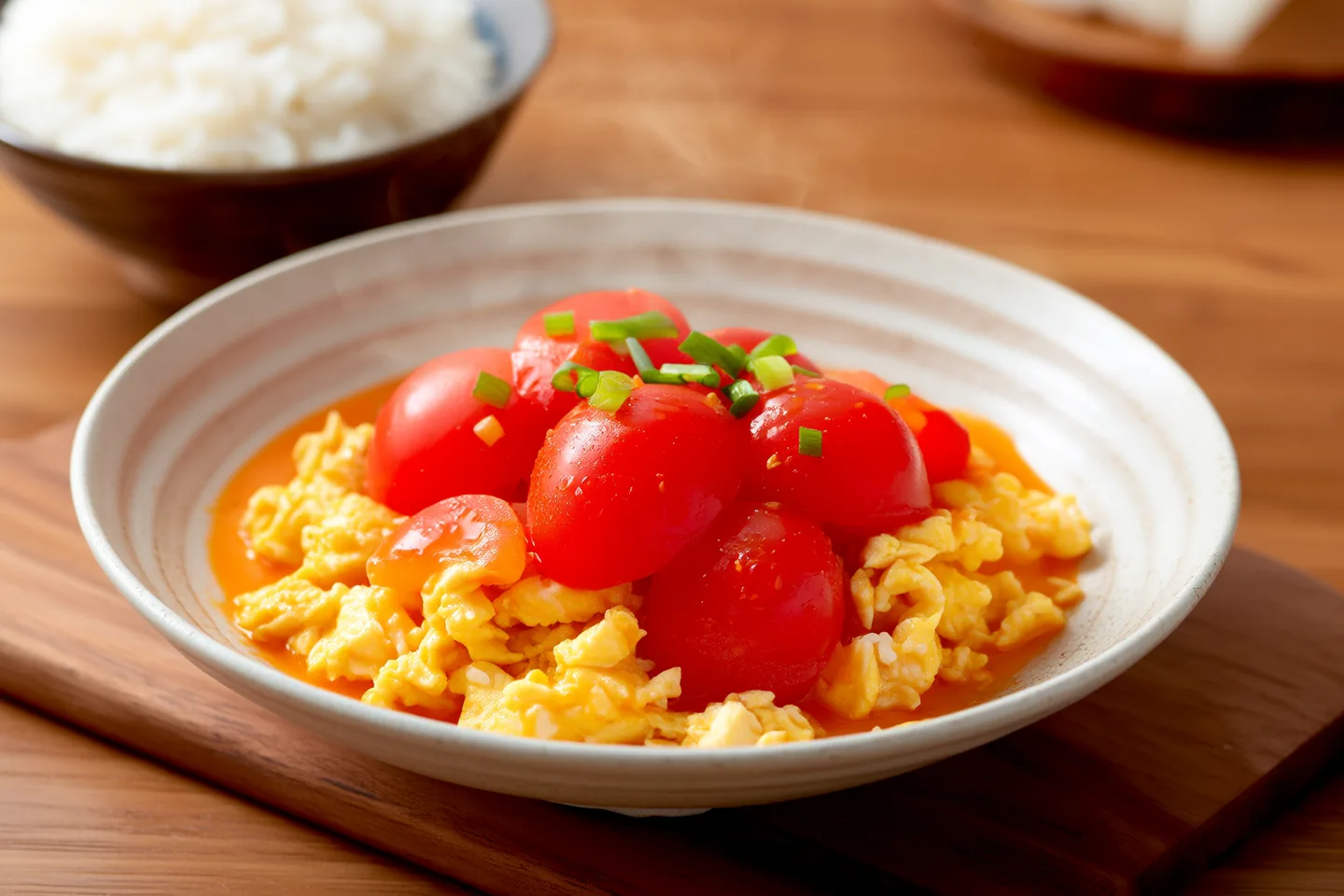
Tomato & Egg (番茄炒蛋)
番茄炒蛋 (Tomato & Egg (番茄炒蛋)) · fān qié chǎo dàn
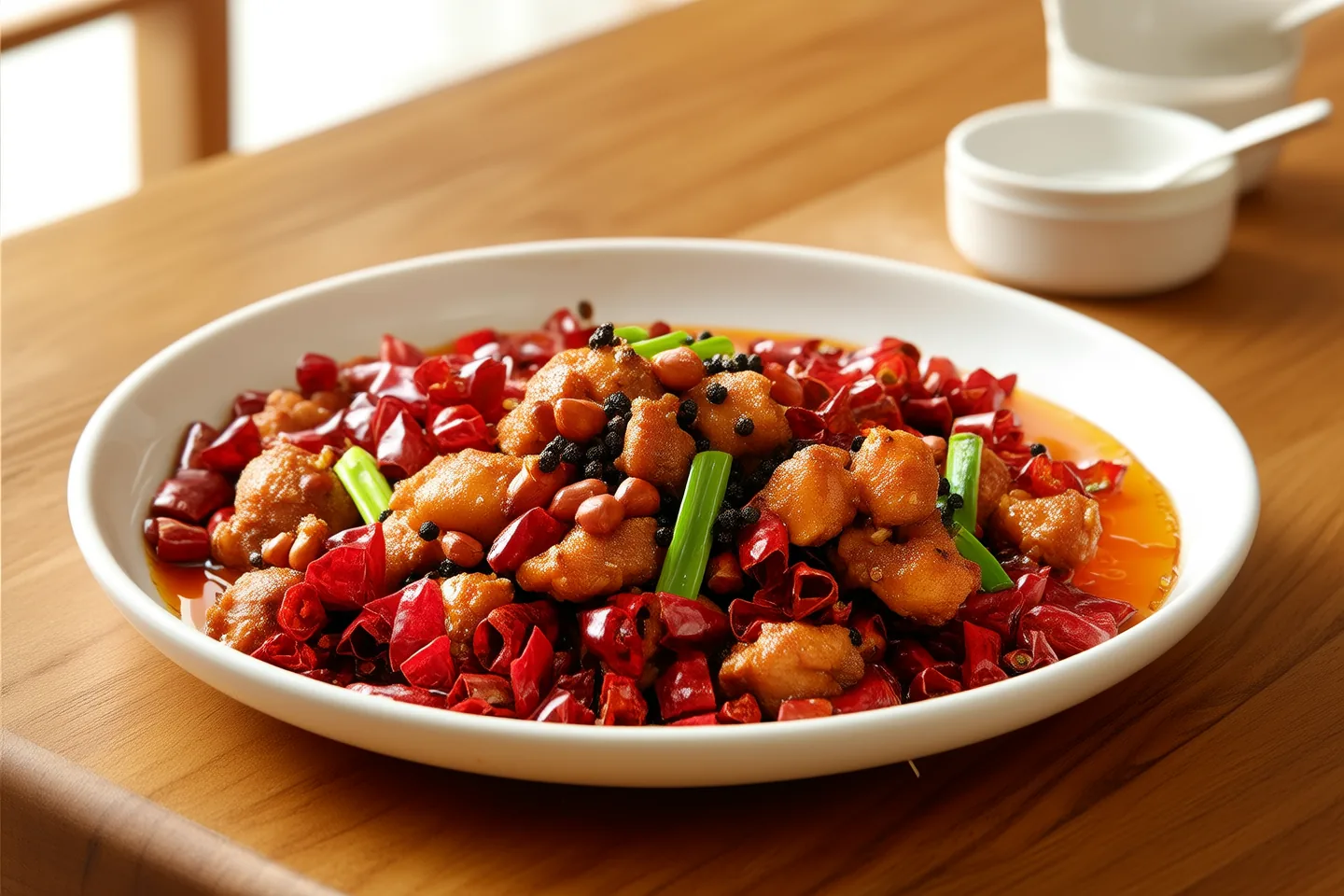
Kung Pao Chicken (宫保鸡丁)
宫保鸡丁 (Kung Pao Chicken (宫保鸡丁)) · gōng bǎo jī dīng
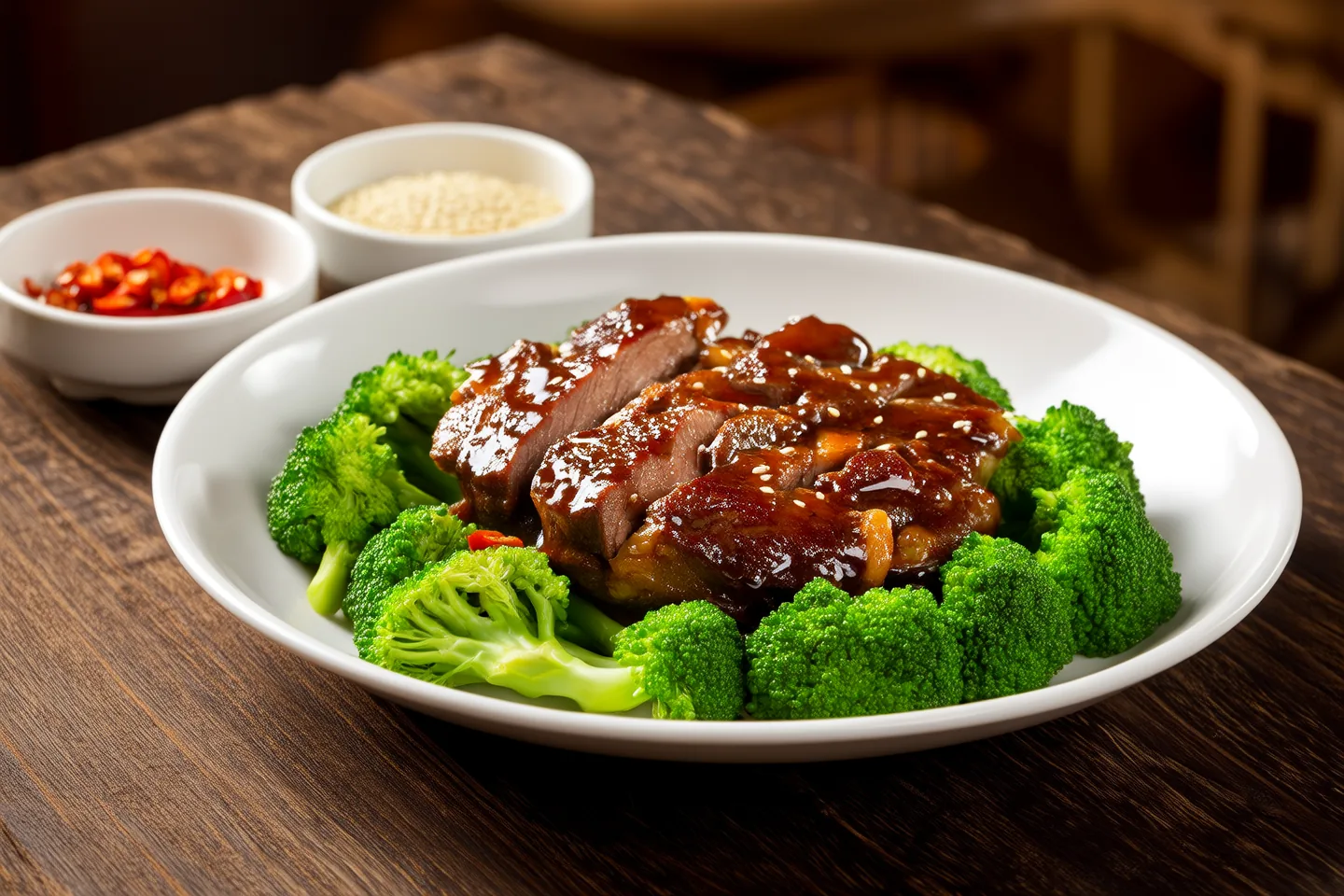
Beef & Broccoli (西兰花炒牛肉)
西兰花炒牛肉 (Beef & Broccoli (西兰花炒牛肉)) · xī lán huā chǎo niú ròu