
Sweet and Sour Pork (糖醋里脊)
糖醋里脊 · táng cù lǐ jǐ
Sweet and sour pork is the dish that introduced Chinese food to the West. The real Chinese version is not the thick orange glaze of American takeout — it is a bright, tangy-sweet balance with a thin crispy crust. This home version uses a quick cornstarch coating and a pan-made sauce that comes together in minutes.
Recipe author: HǎoWèi Test Kitchen
Home-cooking research team
Reviewed by HǎoWèi editorial team · Last updated 2026-08-29
Ingredients
- pork tenderloin or loin, cut into 2 cm strips猪里脊或梅花肉,切 2cm 长条🛒 local400 g
- egg鸡蛋🛒 local1
- cornstarch玉米淀粉🛒 local4 tbsp
- all-purpose flour中筋面粉🛒 local2 tbsp
- light soy sauce生抽🏮 asian1 tbsp
- Shaoxing wine料酒🏮 asian1 tbsp
- Chinkiang black vinegar (or rice vinegar)镇江香醋(或米醋)🏮 asian3 tbsp
- white sugar白糖🛒 local2 tbsp
- ketchup (for color + tang)番茄酱🛒 local2 tbsp
- neutral oil for frying食用油(炸用)🛒 local300 ml
- white pepper白胡椒🛒 local1/4 tsp
🌶️ Adjust to your taste
Pick a level and we'll show exactly how much to change — no more "适量".
Spice level
Saltiness
Oiliness
Make it vegetarian
Instructions
1Cut pork into 2 cm strips. Pat dry with paper towels — surface moisture is the enemy of crispy coating.
肉条吸干水分
🔍 Look forVisual: 表面呈哑光,不反光Surface looks matte, not wet or glossy
You know it's right when: 肉表面无水珠No liquid beads on meat
2Marinate pork: toss with soy sauce, Shaoxing wine, and white pepper. Rest 10 minutes.
生抽料酒去腥入味
🔍 Look for 10 分钟 · 10 minutesVisual: 肉表面挂汁,液体已被吸收Meat glistens, liquid absorbed
You know it's right when: 碗底无游离液体No free liquid in the bowl
3Make the coating: mix cornstarch and flour in a shallow bowl. Dredge each strip, shaking off excess.
干粉裹薄层
🔍 Look forVisual: 每根条均匀裹上薄薄白粉,无结块Each strip has a thin powdery white coat, no clumps
You know it's right when: 粉层干燥,不呈糊状Coating looks dry, not pasty
4Mix the sweet and sour sauce in a small bowl: vinegar, sugar, ketchup, and 2 tbsp water. Stir until sugar dissolves.
提前调好碗汁
🔍 Look forVisual: 汁呈粉橙色均匀,无糖粒Sauce is pink-orange, uniform, no sugar granules visible
You know it's right when: 勺背划过碗底无糖粒残留Spoon leaves a clean trail
5Heat oil to 170°C — a wooden chopstick inserted should bubble steadily around it. Fry pork in batches 2-3 minutes until golden. Remove and drain.
中温初炸
🔍 Look for Medium-high 2-3 分钟 · 2-3 minutesVisual: 外壳金黄,气泡变缓Coating turns golden, bubbles slow down
You know it's right when: 浮起,外壳定型Floats to surface, crust set
6In a wok, pour in the sauce. Bring to a simmer over medium heat. When it thickens (about 30 seconds), add the fried pork. Toss quickly 10 seconds to coat — do NOT over-stir or the crust will soften.
快翻裹汁
🔍 Look for Medium heat 30 秒 · 30 secondsVisual: 汁变亮且挂在肉上,锅底无积液Sauce becomes glossy and clings to pork, no pooling
You know it's right when: 勺背挂汁清晰,划痕不立即消失Sauce coats a spoon cleanly, trail holds
7Serve immediately on a warm plate. The crust stays crispy for about 2 minutes after saucing.
上桌趁热吃
🔍 Look forVisual: 热气升腾,釉面有缎光Steam rises, glaze has a satin sheen
You know it's right when: 2 分钟内吃完口感最佳Eaten within 2 minutes for best crunch
Tips
- · The key to crispy sweet and sour pork is double-frying: first fry at 160°C to cook through, then fry again at 180°C right before saucing for maximum crunch.
- · Do not skip the paper-towel step — wet meat equals soggy coating.
- · Chinese black vinegar (Chinkiang) gives the characteristic tang. Rice vinegar is a decent substitute if unavailable.
- · This dish pairs perfectly with egg fried rice and a simple stir-fried green vegetable.
Sources & references
Quantities, technique notes, and substitution ratios are cross-checked against established Chinese cookery references and standard food-science sources.
- Read our editorial policy
- Fuchsia Dunlop, Land of Plenty: A Treasury of Authentic Sichuan Cooking
- USDA FoodData Central — ingredient nutrition and portion data
- Traditional Chinese family-kitchen practice and regional taste records
Common questions
Can I skip Shaoxing wine? What's the substitute?
Dry sherry is the closest 1:1 swap (fidelity ~80%). No sherry? Use a splash of white wine plus a little water, or just skip it and add a tiny extra pinch of sugar — the wine's job is depth and removing meat's gamey notes, and a good marinade covers most of it.
Source: HǎoWèi substitution engine
Is there a vegan substitute for oyster sauce?
Yes — 'mushroom oyster sauce' (often labeled vegetarian/vegan) is sold in most Asian grocers and increasingly in mainstream supermarkets. It behaves 1:1 and adds the same glossy umami. Watch labels if you're also gluten-free; most brands are GF, some aren't.
Source: HǎoWèi substitution engine
What's the difference between light and dark soy sauce?
Light soy (生抽) is the everyday salty seasoning — thin and salty, used in most recipes. Dark soy (老抽) is thicker, darker, slightly sweet, and used mostly for color (braises, fried rice). If you only buy one, get light soy. For dark soy's color: 1 tbsp light soy + a pinch of sugar + a few drops of molasses.
Source: HǎoWèi pantry guide
Ingredient swaps
Can't find an Asian-market staple? Use these.
Swap: light soy sauce
→ regular soy sauce
Ratio: 1:1 · Slightly saltier — dial salt back by a pinch.
Swap: Shaoxing wine
→ dry sherry or mirin (less sweet)
Ratio: 1:1 · Both add the same warm fermented depth.
Swap: white pepper
→ black pepper (use ¾ amount)
Ratio: 3:4 · Sharper, but works in a pinch.
🥢 Ask HǎoWèi
Questions about technique, ingredients, substitutions, and flavor — answered from our verified cooking knowledge base.
What to serve with it
A complete Chinese dinner in one plan — pick one from each role.
What cooks say
Made this? Leave a note.
- No comments yet — be the first!
Cook next
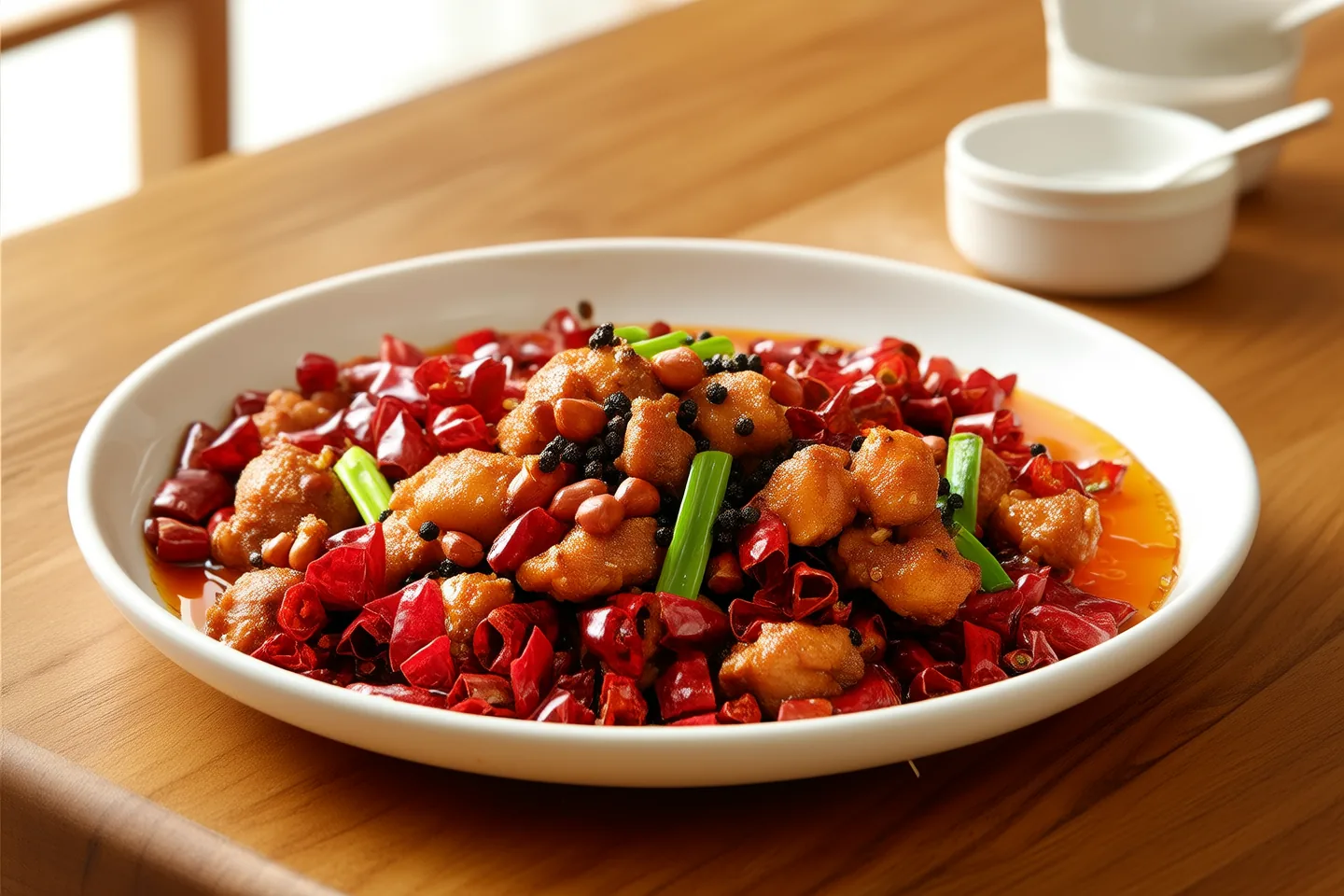
Kung Pao Chicken (宫保鸡丁)
宫保鸡丁 (Kung Pao Chicken (宫保鸡丁)) · gōng bǎo jī dīng

Twice Cooked Pork (蒜苗回锅肉)
蒜苗回锅肉 (Twice Cooked Pork (蒜苗回锅肉)) · suan miao hui gu rou
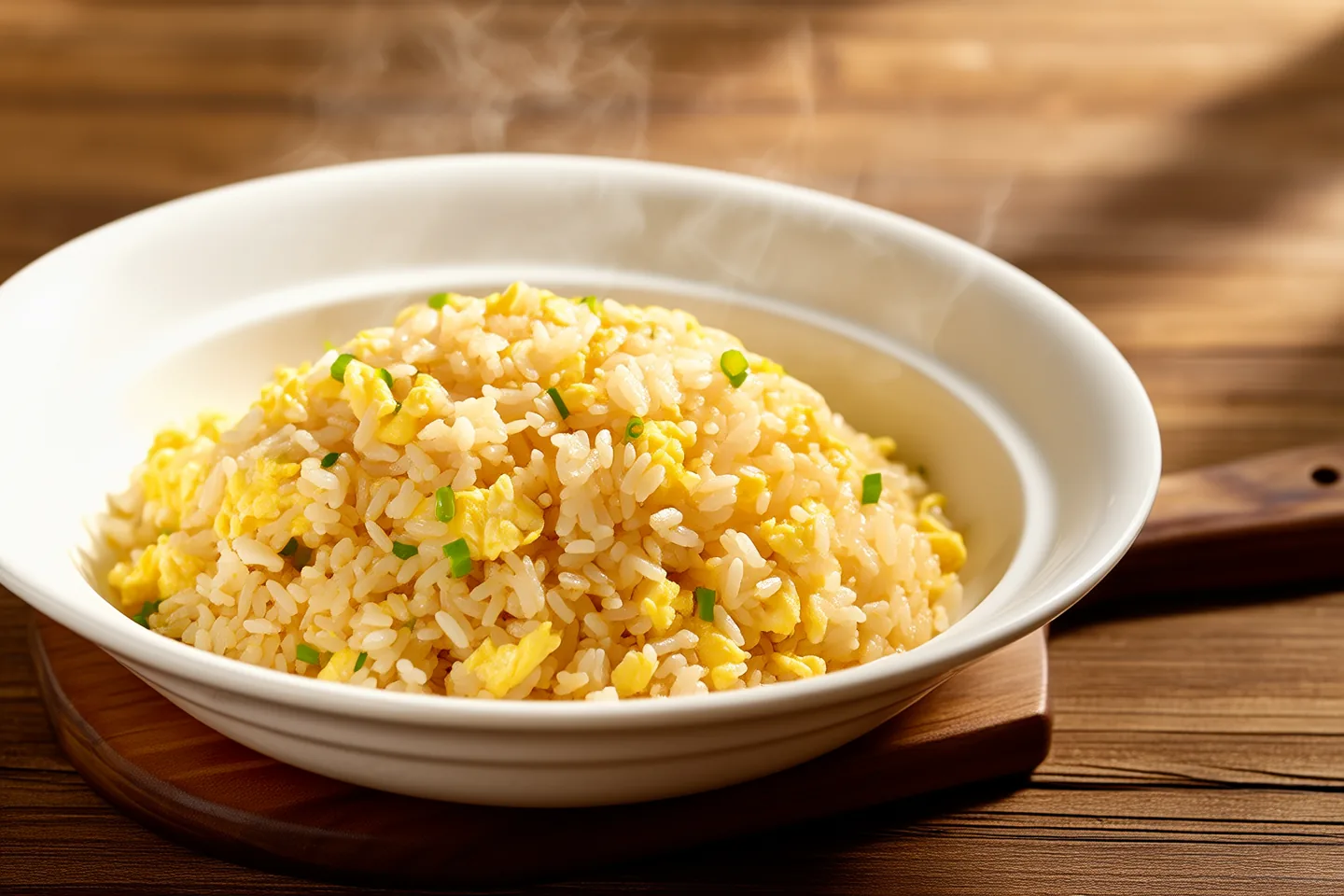
Egg Fried Rice (蛋炒饭)
蛋炒饭 (Egg Fried Rice (蛋炒饭)) · dàn chǎo fàn