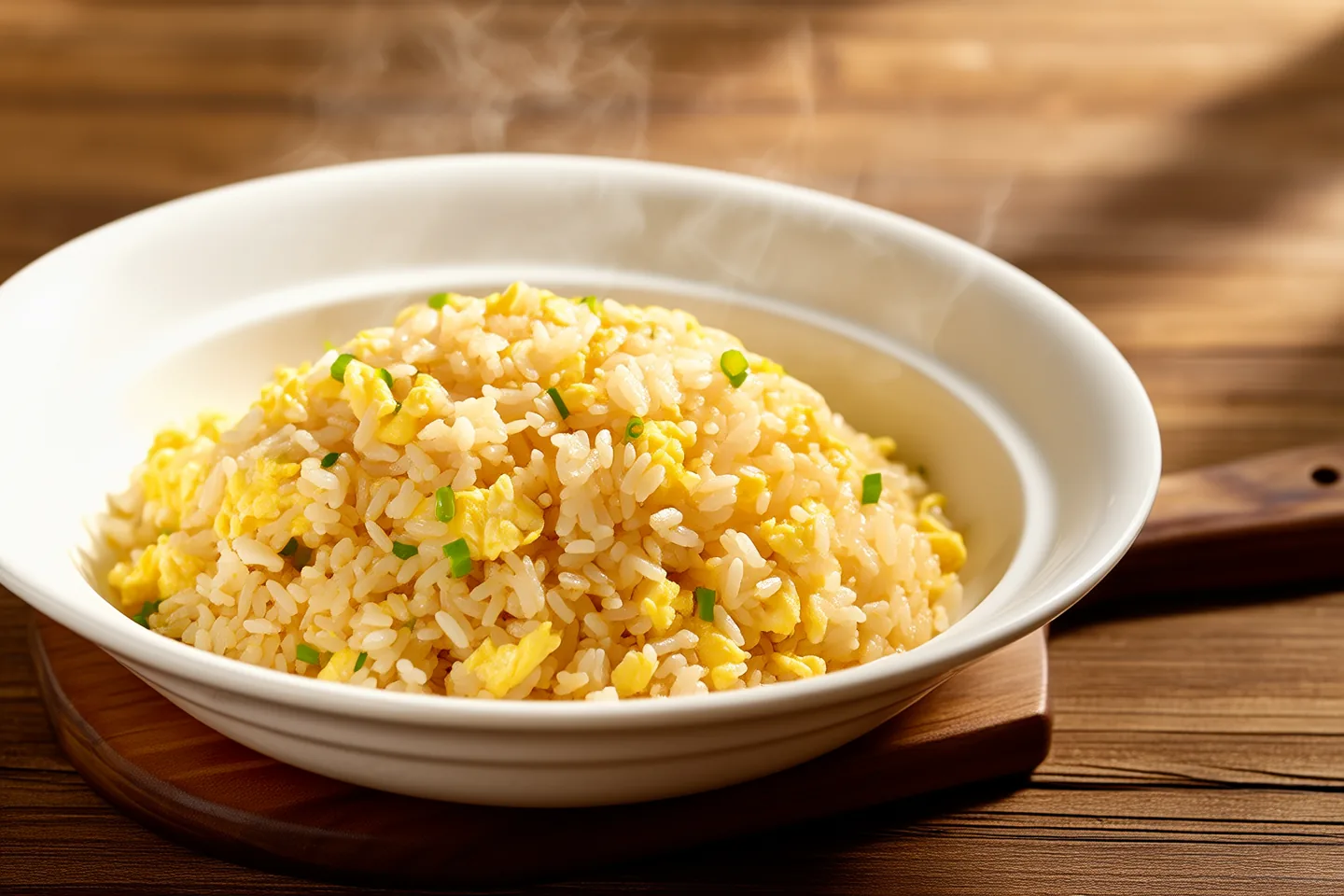
Egg Fried Rice (蛋炒饭)
蛋炒饭 · dàn chǎo fàn
The ultimate leftover dish: day-old rice + egg + whatever's in the fridge. Every Chinese household has a version. The two rules: cold rice, and don't stir too much.
Recipe author: HǎoWèi Test Kitchen
Home-cooking research team
Reviewed by HǎoWèi editorial team · Last updated 2026-08-29
Ingredients
- day-old cold cooked rice (ideally overnight)隔夜米饭🛒 local300 g (about 2 cups)
- eggs鸡蛋🛒 local2 large
- scallions, chopped, white & green separated小葱🛒 local3 stalks
- light soy sauce生抽🏮 asian1 tbsp
- neutral oil食用油🛒 local2 tbsp
- salt盐🛒 local1/4 tsp
- optional: peas, ham, char siu, or lap cheong配料(豌豆/腊肠等)🛒 local1/2 cup
day-old cold cooked rice (ideally overnight): Fresh rice is too sticky — spread it out and fridge it 1 hour if needed.
🌶️ Adjust to your taste
Pick a level and we'll show exactly how much to change — no more "适量".
Spice level
Saltiness
Oiliness
Make it vegetarian
Instructions
1Break up the cold rice with your hands so there are no clumps. This is the single most important step.
把冷饭搓散
🔍 Look for 1 分钟 · 1 minuteVisual: 米粒颗颗分明,没有大块结团Every grain is separate; no big lumps
You know it's right when: 米饭手感干爽松散Rice feels dry and loose
2Beat the eggs with the salt. Heat 1 tbsp oil in a wok over medium-high. Add eggs and scramble until just set, then push to one side.
滑炒鸡蛋
🔍 Look for Medium-high 40-60 秒 · 40-60 secondsVisual: 鸡蛋刚刚凝固,依然有光泽Eggs softly set, still glossy
You know it's right when: 没有生蛋液;蛋块依然湿润No raw liquid; curds still moist
3Add the white scallion parts and any optional add-ins (ham, peas). Stir-fry 30 seconds.
下配料爆香
🔍 Look for Medium-high 30 秒 · 30 secondsVisual: 葱白变软并释放香气Scallion whites soften and release aroma
You know it's right when: 香气四溢,边缘微微上色Fragrant, edges barely browning
4Add the rice and the remaining 1 tbsp oil. Toss and press gently with the spatula to coat every grain — don't mash.
下米饭翻炒
🔍 Look for High heat 2-3 分钟 · 2-3 minutesVisual: 米饭从白色变得油亮,裹油均匀Rice turns from white to glossy and evenly oiled
You know it's right when: 米粒开始“跳舞”,在锅里微微跳动Grains start to 'dance' and jump slightly in the pan
5Push rice to one side, pour soy sauce into the empty side, let it sizzle 5 seconds, then fold through. (This 'wok-ting' the soy removes raw sauce taste.)
沿锅边烹酱油
🔍 Look for High heat 5-10 秒 · 5-10 secondsVisual: 酱油立刻滋啦作响,散发焦香Soy sizzles immediately and smells toasty
You know it's right when: 蒸汽闻起来是焦香,而不是生酱油味Steam smells roasted, not raw-soy
6Fold in the green scallions. Serve immediately.
撒葱花出锅
🔍 Look forVisual: 米饭热透油亮,粒粒分明Rice is hot, glossy, and every grain separate
You know it's right when: 米粒颗颗分离,热气升腾Each grain separate, steam rising
Tips
- · Cold rice is non-negotiable — fresh rice turns to paste.
- · Don't over-stir; let the rice hit the pan and toss instead of mashing.
- · Lap cheong (Chinese sausage) + a few drops of sesame oil at the end = instant upgrade.
Sources & references
Quantities, technique notes, and substitution ratios are cross-checked against established Chinese cookery references and standard food-science sources.
- Read our editorial policy
- Fuchsia Dunlop, Land of Plenty: A Treasury of Authentic Sichuan Cooking
- USDA FoodData Central — ingredient nutrition and portion data
- Traditional Chinese family-kitchen practice and regional taste records
Common questions
Can I reduce the salt/soy in this recipe?
Yes — soy sauce is the main sodium source. Use light soy at 2/3 amount and finish with salt only to taste. Rinse canned/doubanjiang components if possible. Note: reducing soy also reduces color; a drop of dark soy or a pinch of sugar can restore depth without salt.
Source: HǎoWèi diet guide
Is there a vegan substitute for oyster sauce?
Yes — 'mushroom oyster sauce' (often labeled vegetarian/vegan) is sold in most Asian grocers and increasingly in mainstream supermarkets. It behaves 1:1 and adds the same glossy umami. Watch labels if you're also gluten-free; most brands are GF, some aren't.
Source: HǎoWèi substitution engine
What's the difference between light and dark soy sauce?
Light soy (生抽) is the everyday salty seasoning — thin and salty, used in most recipes. Dark soy (老抽) is thicker, darker, slightly sweet, and used mostly for color (braises, fried rice). If you only buy one, get light soy. For dark soy's color: 1 tbsp light soy + a pinch of sugar + a few drops of molasses.
Source: HǎoWèi pantry guide
Ingredient swaps
Can't find an Asian-market staple? Use these.
Swap: light soy sauce
→ regular soy sauce
Ratio: 1:1 · Slightly saltier — dial salt back by a pinch.
Don't make these mistakes
The traps every home cook hits — and how to avoid them.
✗ Crowding the pan — ingredients steam instead of sear.
✓ Fix: Cook in batches; give each piece room to brown.
✗ Adding sauce too early — the wok cools and flavors dull.
✓ Fix: Push food up the wok wall, add sauce to the hot center, toss fast.
Ways to change it up
One dish, three moods.
- Add tomato for a saucy version
- Scramble with scallion whites for extra fragrance
- Serve over rice for a complete 10-minute meal
🥢 Ask HǎoWèi
Questions about technique, ingredients, substitutions, and flavor — answered from our verified cooking knowledge base.
What to serve with it
A complete Chinese dinner in one plan — pick one from each role.
What cooks say
Made this? Leave a note.
- No comments yet — be the first!
Cook next
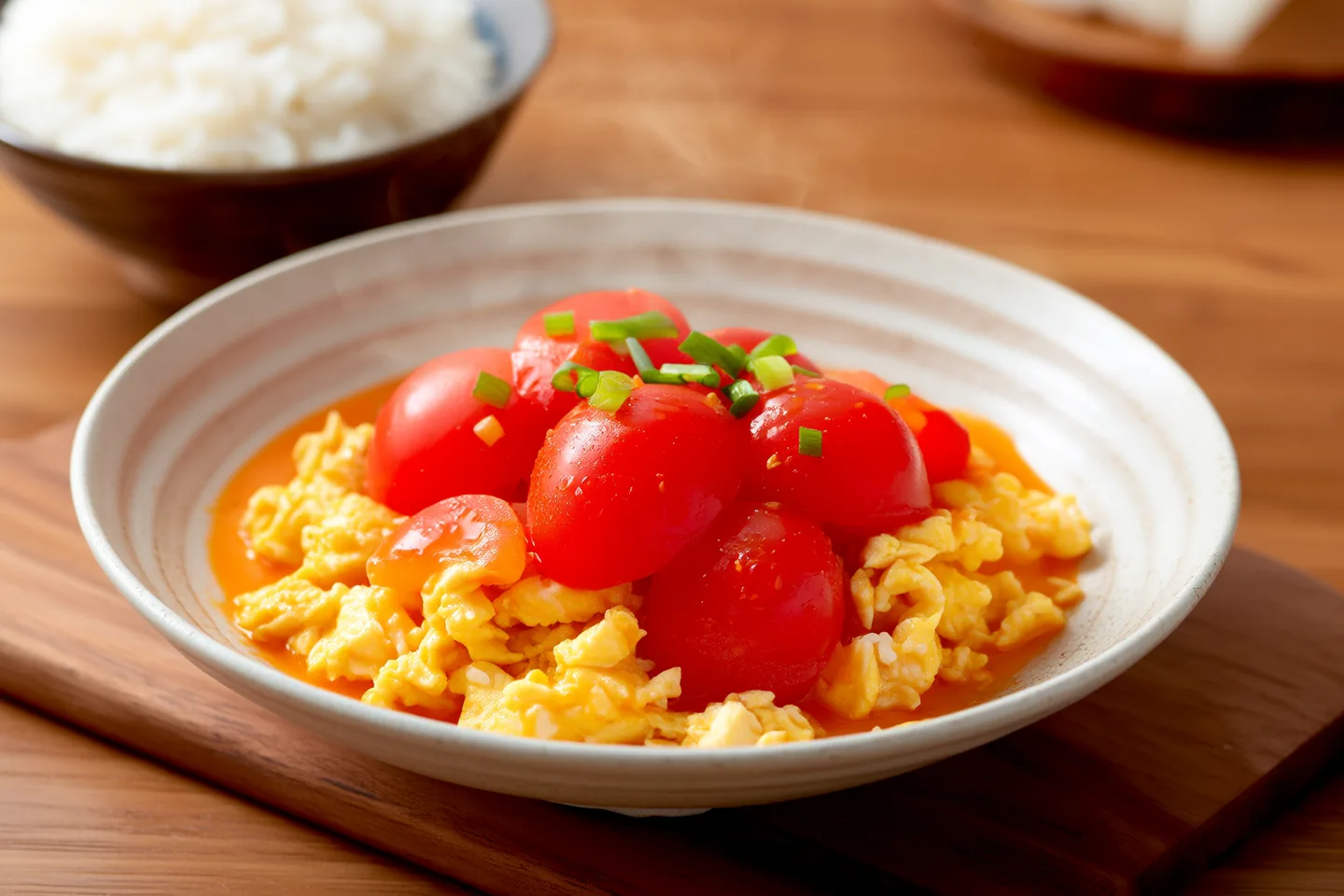
Tomato & Egg (番茄炒蛋)
番茄炒蛋 (Tomato & Egg (番茄炒蛋)) · fān qié chǎo dàn
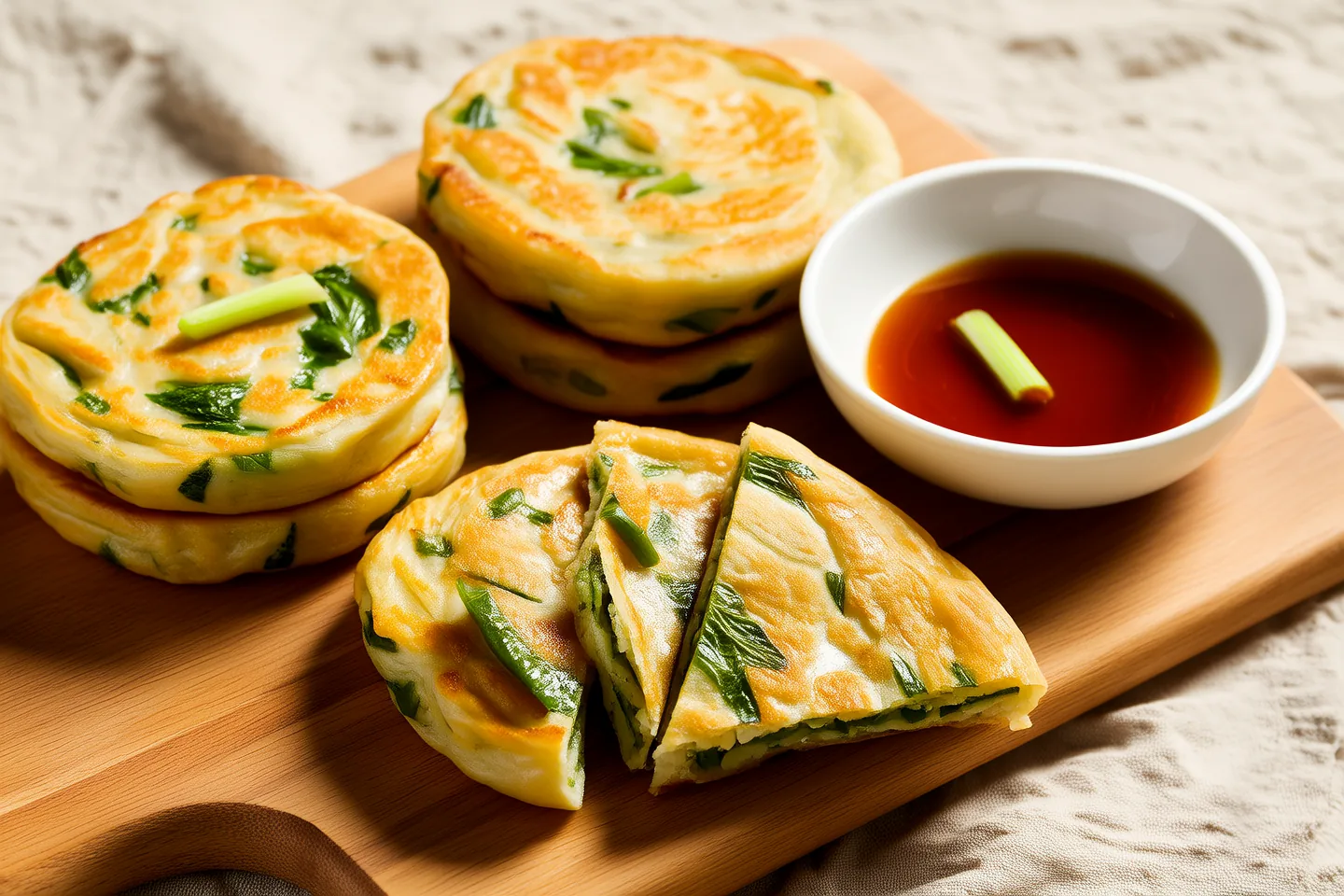
Scallion Pancakes (葱油饼)
葱油饼 (Scallion Pancakes (葱油饼)) · cōng yóu bǐng
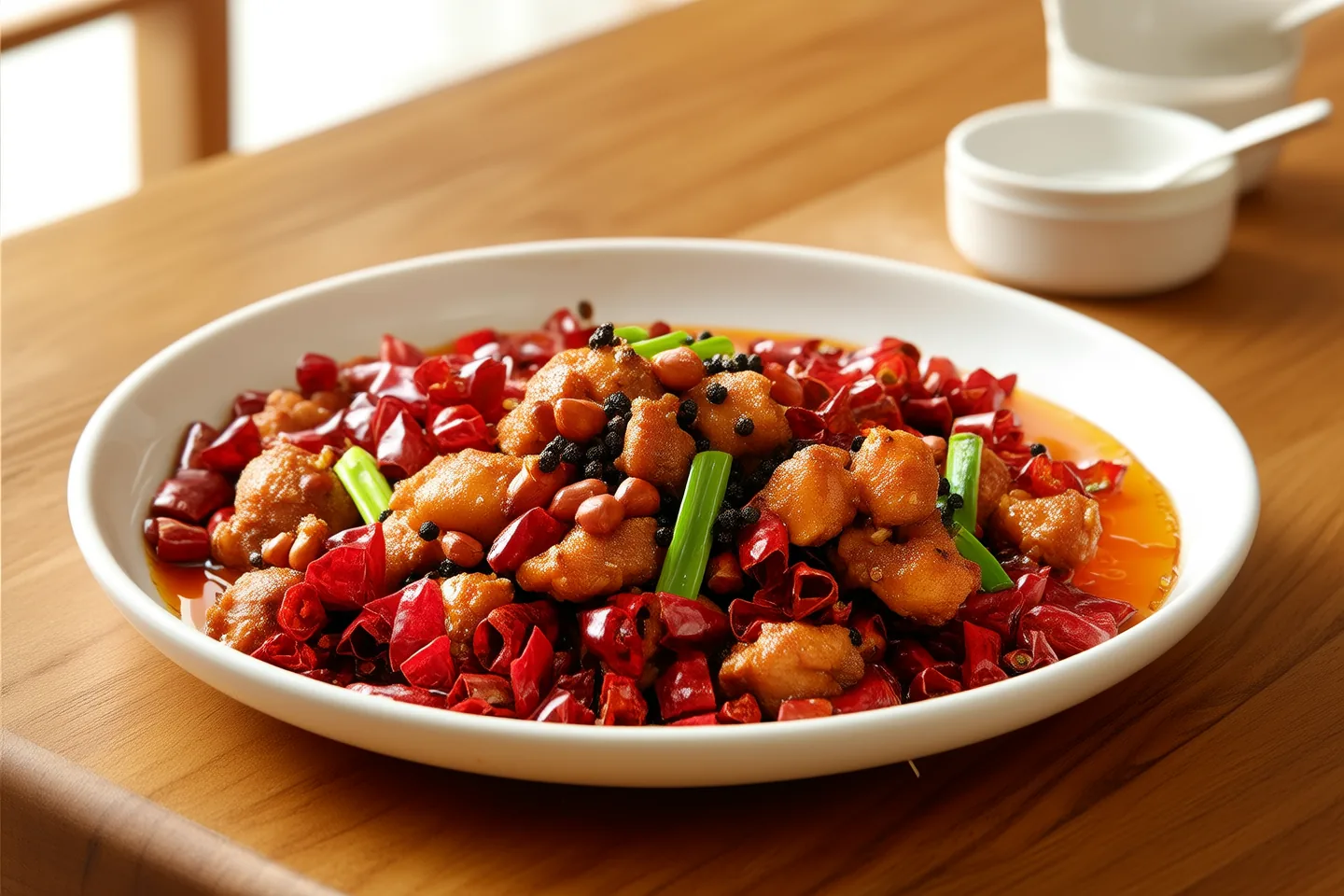
Kung Pao Chicken (宫保鸡丁)
宫保鸡丁 (Kung Pao Chicken (宫保鸡丁)) · gōng bǎo jī dīng