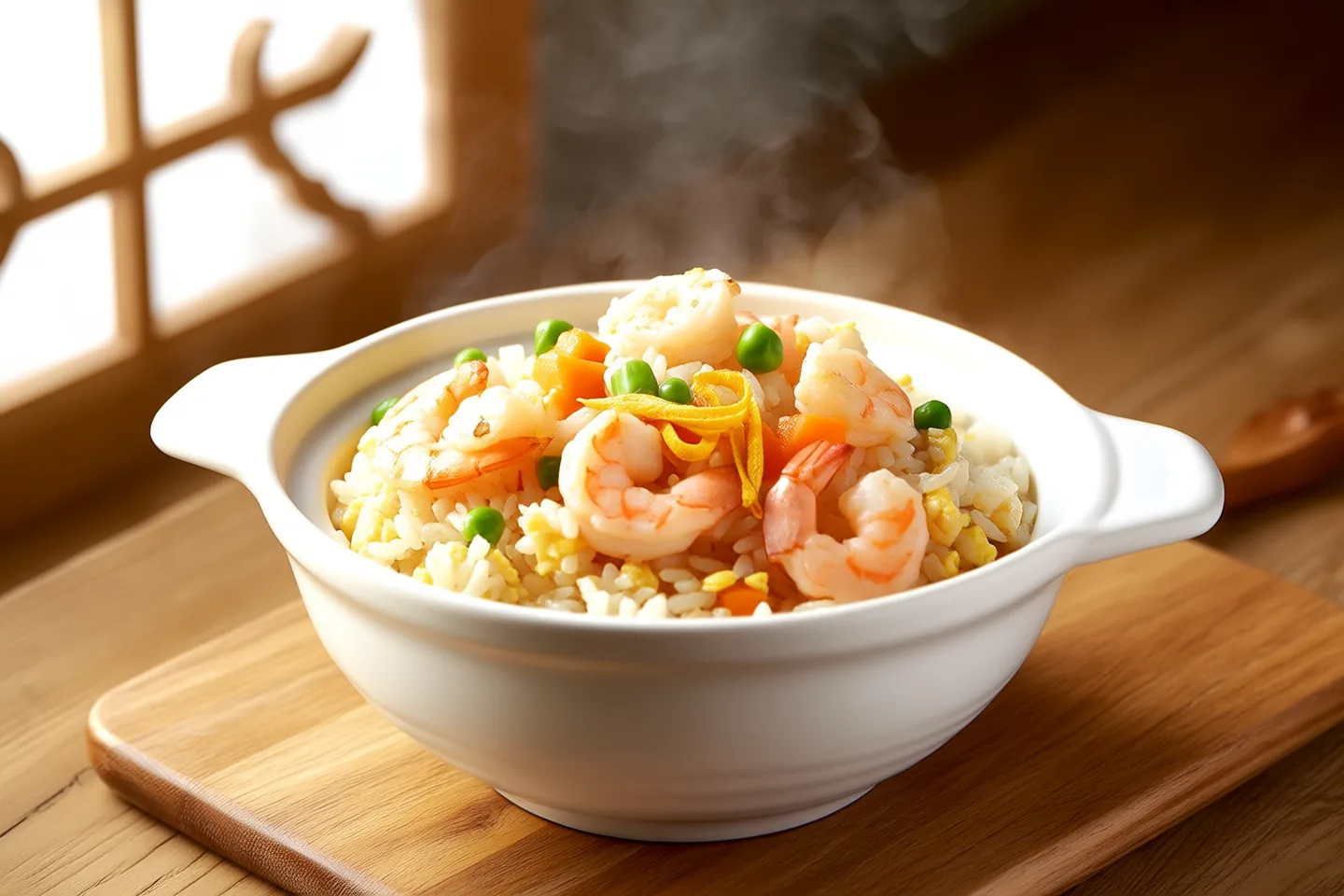
Yangzhou Fried Rice (扬州炒饭)
扬州炒饭 · yáng zhōu chǎo fàn
Yangzhou fried rice is the gold standard of Chinese banquet fried rice. Every Chinese restaurant worldwide has a version; this is the home-cooked truth: generous protein, bright color from pea and carrot, and that signature grain-by-grain gloss.
Recipe author: HǎoWèi Test Kitchen
Home-cooking research team
Reviewed by HǎoWèi editorial team · Last updated 2026-08-29
Ingredients
- day-old cold cooked jasmine rice隔夜粳米或香米🛒 local300 g (about 2 cups)
- raw shrimp, peeled & deveined, chopped coarse鲜虾仁,去壳去肠线,粗切🏮 asian100 g (about 3/4 cup)
- char siu (Chinese BBQ pork), diced 1 cm叉烧肉,切成 1 厘米丁🏮 asian80 g (about 2/3 cup)
- eggs, beaten鸡蛋,打散🛒 local2 large
- frozen peas冷冻青豆🛒 local60 g (1/2 cup)
- carrot, finely diced胡萝卜,切细丁🛒 local50 g (1/3 cup)
- scallions, chopped white & green separated小葱,白绿分开切🛒 local3 stalks
- light soy sauce生抽🏮 asian1½ tbsp
- toasted sesame oil香油🏮 asian1 tsp
- neutral oil (vegetable or canola)食用油(玉米/葵花籽油)🛒 local2 tbsp
- white pepper白胡椒粉🏮 asian1/4 tsp
- salt盐🛒 local1/4 tsp
day-old cold cooked jasmine rice: Cold rice = separate grains. Spread fresh rice on a tray and fridge 1 hour if needed.
frozen peas: Thaw under warm water before using.
🌶️ Adjust to your taste
Pick a level and we'll show exactly how much to change — no more "适量".
Spice level
Saltiness
Oiliness
Make it vegetarian
Instructions
1Prep everything first: dice char siu, chop shrimp coarse, dice carrot small, separate scallion whites from greens, beat eggs with salt, thaw peas under warm water. Mise en place is everything for fried rice.
备料:米、肉、蛋、菜分别备好
2Heat 1 tbsp oil over medium-high. Pour in beaten eggs, let them set 10 seconds at the bottom, then gently push with spatula so uncooked egg flows to the pan surface. Cook until just set in soft curds, about 30 seconds. Remove to a plate.
滑炒鸡蛋
🔍 Look for Medium-high 30-40 秒 · 30-40 secondsVisual: 鸡蛋呈柔软蛋花,表面有光泽、内部湿润Eggs are soft curds, still glossy and moist inside
You know it's right when: 没有流动蛋液;蛋块依然湿润柔软No runny liquid; curds still wet and soft
3Add remaining 1 tbsp oil. Toss in shrimp and char siu. Stir-fry 1 minute until shrimp turn opaque on the outside.
炒虾仁与叉烧
🔍 Look for High heat 1 分钟 · 1 minuteVisual: 虾仁边缘变粉红;叉烧边缘略焦脆Shrimp edges turn pink; char siu edges slightly crisp
You know it's right when: 虾仁边缘不再透明Shrimp no longer translucent at edges
4Push protein to one side. Add carrot and peas to the empty side; stir-fry 30 seconds. Then fold everything together.
下蔬菜爆香
🔍 Look for High heat 30 秒 · 30 secondsVisual: 胡萝卜变亮橙色;豌豆变鲜绿色Carrot brightens to orange; peas turn vibrant green
You know it's right when: 胡萝卜边缘变软但仍保持脆度Carrot edges softened but still crisp
5Add the cold rice. Break up any clumps with spatula. Press rice against the wok side for 10 seconds to toast, then toss. Repeat until every grain is separate and glossy — about 2 minutes.
下米饭翻炒
🔍 Look for High heat 2 分钟 · 2 minutesVisual: 米饭从哑光白色变成油亮,边缘略金黄Rice goes from matte white to glossy and slightly golden at edges
You know it's right when: 米粒在锅里'跳舞'分离;没有湿团Grains 'dance' and separate; no wet clumps
6Return the scrambled eggs. Add soy sauce along the hot wok side (let it sizzle 5 seconds), then fold everything through. Add white scallion parts, toss 15 seconds.
烹酱油,回蛋
🔍 Look for High heat 5-10 秒 · 5-10 secondsVisual: 酱油滋啦作响,散发焦香;米饭染上浅金色Soy sizzles and steams with a toasty aroma; rice takes a light golden tint
You know it's right when: 蒸汽是焦香而不是生酱油味Steam smells roasted not raw-soy
7Remove from heat. Stir in sesame oil and green scallion parts. Taste and adjust salt or white pepper if needed. Serve immediately.
撒葱花,淋香油出锅
🔍 Look forVisual: 葱花微微塌软;米饭油亮,所有配料分布均匀Green scallions just wilted; rice glossy, all ingredients evenly distributed
You know it's right when: 粒粒分明,每勺都有蛋白和蔬菜Each grain separate, protein and veg in every spoonful
Tips
- · Cold jasmine rice is ideal — short-grain is stickier and harder to keep separate.
- · Char siu can be swapped for any pre-cooked pork or ham; the sweetness balances the salt.
- · For the restaurant look: fry the eggs separately, pull them into ribbons, and fold in at the end.
Sources & references
Quantities, technique notes, and substitution ratios are cross-checked against established Chinese cookery references and standard food-science sources.
- Read our editorial policy
- Fuchsia Dunlop, Land of Plenty: A Treasury of Authentic Sichuan Cooking
- USDA FoodData Central — ingredient nutrition and portion data
- Traditional Chinese family-kitchen practice and regional taste records
Common questions
Can I reduce the salt/soy in this recipe?
Yes — soy sauce is the main sodium source. Use light soy at 2/3 amount and finish with salt only to taste. Rinse canned/doubanjiang components if possible. Note: reducing soy also reduces color; a drop of dark soy or a pinch of sugar can restore depth without salt.
Source: HǎoWèi diet guide
Is there a vegan substitute for oyster sauce?
Yes — 'mushroom oyster sauce' (often labeled vegetarian/vegan) is sold in most Asian grocers and increasingly in mainstream supermarkets. It behaves 1:1 and adds the same glossy umami. Watch labels if you're also gluten-free; most brands are GF, some aren't.
Source: HǎoWèi substitution engine
What's the difference between light and dark soy sauce?
Light soy (生抽) is the everyday salty seasoning — thin and salty, used in most recipes. Dark soy (老抽) is thicker, darker, slightly sweet, and used mostly for color (braises, fried rice). If you only buy one, get light soy. For dark soy's color: 1 tbsp light soy + a pinch of sugar + a few drops of molasses.
Source: HǎoWèi pantry guide
Ingredient swaps
Can't find an Asian-market staple? Use these.
Swap: light soy sauce
→ regular soy sauce
Ratio: 1:1 · Slightly saltier — dial salt back by a pinch.
Swap: toasted sesame oil
→ toasted sesame oil (same thing!)
Ratio: 1:1 · Check the label: use toasted (dark), not raw.
Swap: white pepper
→ black pepper (use ¾ amount)
Ratio: 3:4 · Sharper, but works in a pinch.
Don't make these mistakes
The traps every home cook hits — and how to avoid them.
✗ Crowding the pan — ingredients steam instead of sear.
✓ Fix: Cook in batches; give each piece room to brown.
✗ Adding sauce too early — the wok cools and flavors dull.
✓ Fix: Push food up the wok wall, add sauce to the hot center, toss fast.
Ways to change it up
One dish, three moods.
- Use day-old rice for the best wok-hei
- Add frozen peas and carrots for color
- Finish with a drizzle of sesame oil
🥢 Ask HǎoWèi
Questions about technique, ingredients, substitutions, and flavor — answered from our verified cooking knowledge base.
What to serve with it
A complete Chinese dinner in one plan — pick one from each role.
What cooks say
Made this? Leave a note.
- No comments yet — be the first!
Cook next
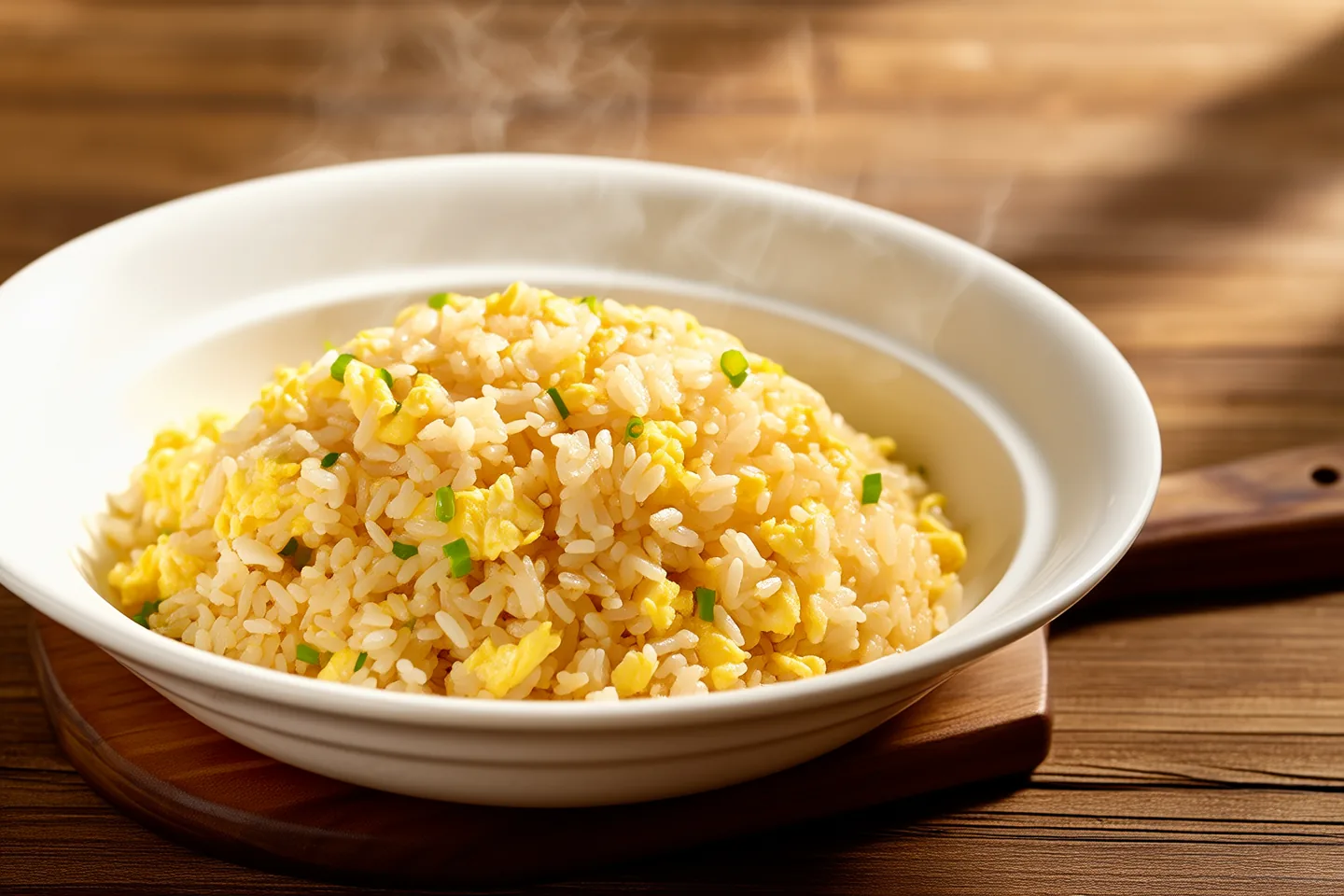
Egg Fried Rice (蛋炒饭)
蛋炒饭 (Egg Fried Rice (蛋炒饭)) · dàn chǎo fàn
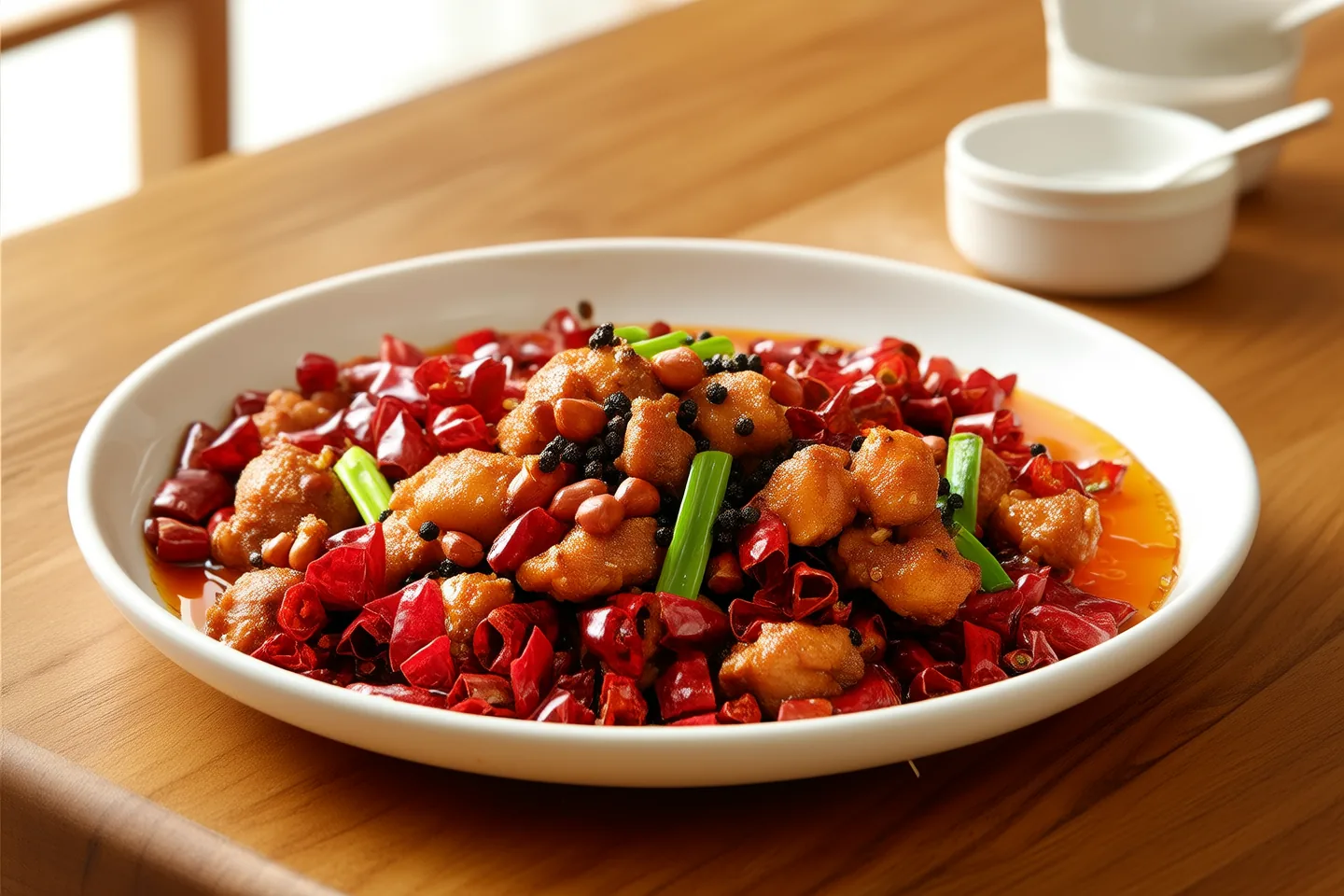
Kung Pao Chicken (宫保鸡丁)
宫保鸡丁 (Kung Pao Chicken (宫保鸡丁)) · gōng bǎo jī dīng
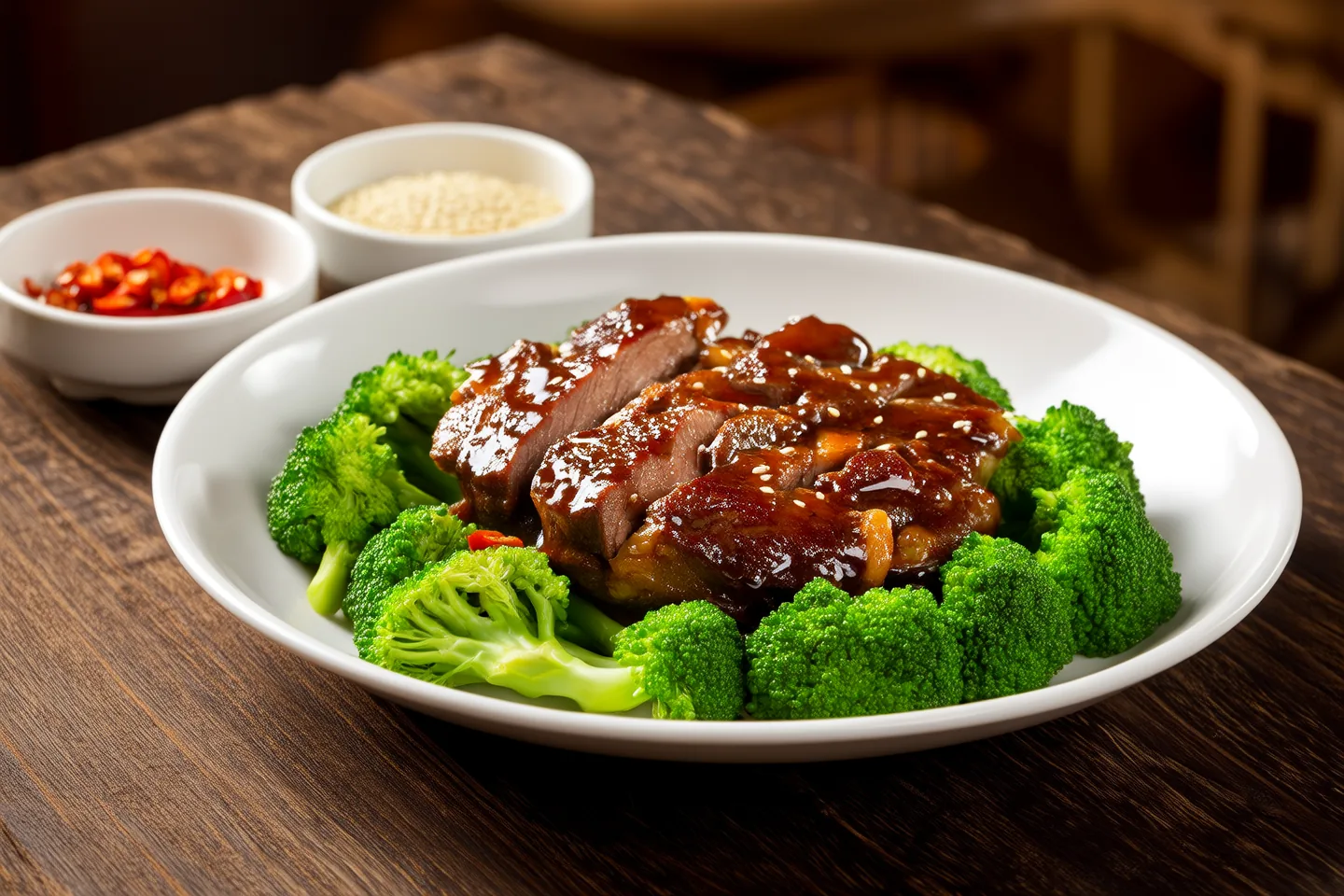
Beef & Broccoli (西兰花炒牛肉)
西兰花炒牛肉 (Beef & Broccoli (西兰花炒牛肉)) · xī lán huā chǎo niú ròu