
Vinegar Cabbage (醋溜白菜) — Northeastern Sweet-Sour Stir-Fry
醋溜白菜 · cù liū bái cài
醋溜白菜 is a Northern Chinese comfort food that turns humble napa cabbage into something bright, tangy, and deeply satisfying. The key is tearing the cabbage by hand (never cutting — torn edges caramelize better) and fighting the vinegar's acidity with a touch of sugar. It is the dish your Northeastern grandmother makes when she wants to turn winter stash into a summer-tasting plate.
Recipe author: HǎoWèi Test Kitchen
Home-cooking research team
Reviewed by HǎoWèi editorial team · Last updated 2026-08-29
Ingredients
- napa cabbage (center leaves)大白菜(帮叶)🛒 local500 g
- Chinkiang (black) vinegar镇江香醋🏮 asian2 tbsp
- white sugar白糖🛒 local1½ tbsp
- light soy sauce生抽🏮 asian1 tbsp
- garlic, sliced蒜片🛒 local4 cloves
- neutral cooking oil食用油🛒 local2 tbsp
- sesame oil香油🏮 asian½ tsp
napa cabbage (center leaves): Use the thick white stems and tender green leaves. Tear into 5-cm pieces by hand — do not cut with a knife.
Chinkiang (black) vinegar: The backbone of this dish. Do not substitute with rice vinegar — the malty depth of Chinkiang is essential.
white sugar: Balances the vinegar's sharpness. Adjust to taste — Northern style leans sweet.
light soy sauce: Adds savory depth without overwhelming the sour-sweet balance.
garlic, sliced: Thin slices, not minced — slices release flavor more gently.
sesame oil: Finish with a drizzle for fragrance.
🌶️ Adjust to your taste
Pick a level and we'll show exactly how much to change — no more "适量".
Spice level
Saltiness
Oiliness
Make it vegetarian
Instructions
1Prepare cabbage. Tear napa cabbage into 5-cm pieces by hand, separating thick white stems from green leaves. Set aside separately — stems cook slower than leaves.
🔍 Look for Low heatVisual: 白菜帮呈半透明乳白,叶片翠绿带自然褶皱
You know it's right when: 手撕边缘比刀切更粗糙,更易吸附酱汁手撕的边缘比刀切的更粗糙,更易吸附酱汁
2Heat wok on high. Add oil and swirl. Add garlic slices; stir 5 seconds until fragrant.
🔍 Look for High heat 约 5 秒Visual: 蒜片边缘微微金黄,满屋蒜香
You know it's right when: 蒜片变金黄立即下白菜帮,不可等蒜变焦苦
3Add cabbage stems first. Stir-fry 1 minute on high heat until edges begin to soften but still crisp.
🔍 Look for High heat 1 分钟Visual: 白菜帮边缘开始半透明,叶片仍保持翠绿
You know it's right when: 帮子变软但未塌——此时下叶片
4Add cabbage leaves. Pour vinegar and soy sauce along the wok wall. Toss vigorously for 30 seconds — the leaves should wilt but not turn to mush.
🔍 Look for High heat 30 秒Visual: 叶片塌软但仍保持完整形态,呈半透明翠绿色
You know it's right when: 叶片变软但仍有光泽——此时撒糖
5Sprinkle sugar, toss 15 seconds to dissolve and coat. Drizzle sesame oil, give one final toss, and plate immediately.
🔍 Look for High heat 15 秒Visual: 糖融化后酱汁变稠亮,包裹每片白菜
You know it's right when: 糖完全融化、酱汁微微冒泡即可出锅
Do not overcook — napa cabbage releases water and turns soupy if cooked too long.
Tips
- · Tear, do not cut — torn edges absorb the sweet-sour glaze better.
- · Stems first, leaves second. This ensures even cooking.
- · Vinegar on the wok wall, not on the cabbage — this creates the caramelized sour note.
- · Serve immediately. Cabbage continues releasing water after plating.
Sources & references
Quantities, technique notes, and substitution ratios are cross-checked against established Chinese cookery references and standard food-science sources.
- Read our editorial policy
- Fuchsia Dunlop, Land of Plenty: A Treasury of Authentic Sichuan Cooking
- USDA FoodData Central — ingredient nutrition and portion data
- Traditional Chinese family-kitchen practice and regional taste records
Common questions
Is there a vegan substitute for oyster sauce?
Yes — 'mushroom oyster sauce' (often labeled vegetarian/vegan) is sold in most Asian grocers and increasingly in mainstream supermarkets. It behaves 1:1 and adds the same glossy umami. Watch labels if you're also gluten-free; most brands are GF, some aren't.
Source: HǎoWèi substitution engine
What's the difference between light and dark soy sauce?
Light soy (生抽) is the everyday salty seasoning — thin and salty, used in most recipes. Dark soy (老抽) is thicker, darker, slightly sweet, and used mostly for color (braises, fried rice). If you only buy one, get light soy. For dark soy's color: 1 tbsp light soy + a pinch of sugar + a few drops of molasses.
Source: HǎoWèi pantry guide
Why do you cook the aromatics (garlic/ginger) first on low heat?
Aromatics contain oils and sugars that turn bitter if scorched. Gentle heat (low-medium) lets garlic and ginger release their fragrance without browning too fast. If the pan is too hot, garlic goes bitter within seconds — that's why we always add aromatics first, before the main ingredients.
Source: Chinese Cooking Demystified technique library
Ingredient swaps
Can't find an Asian-market staple? Use these.
Swap: light soy sauce
→ regular soy sauce
Ratio: 1:1 · Slightly saltier — dial salt back by a pinch.
Swap: sesame oil
→ toasted sesame oil (same thing!)
Ratio: 1:1 · Check the label: use toasted (dark), not raw.
Don't make these mistakes
The traps every home cook hits — and how to avoid them.
✗ Crowding the pan — ingredients steam instead of sear.
✓ Fix: Cook in batches; give each piece room to brown.
✗ Adding sauce too early — the wok cools and flavors dull.
✓ Fix: Push food up the wok wall, add sauce to the hot center, toss fast.
Ways to change it up
One dish, three moods.
- Add mushrooms for a meaty texture
- Finish with toasted sesame seeds for crunch
- Serve with a fried egg for extra protein
🥢 Ask HǎoWèi
Questions about technique, ingredients, substitutions, and flavor — answered from our verified cooking knowledge base.
What to serve with it
A complete Chinese dinner in one plan — pick one from each role.
What cooks say
Made this? Leave a note.
- No comments yet — be the first!
Cook next
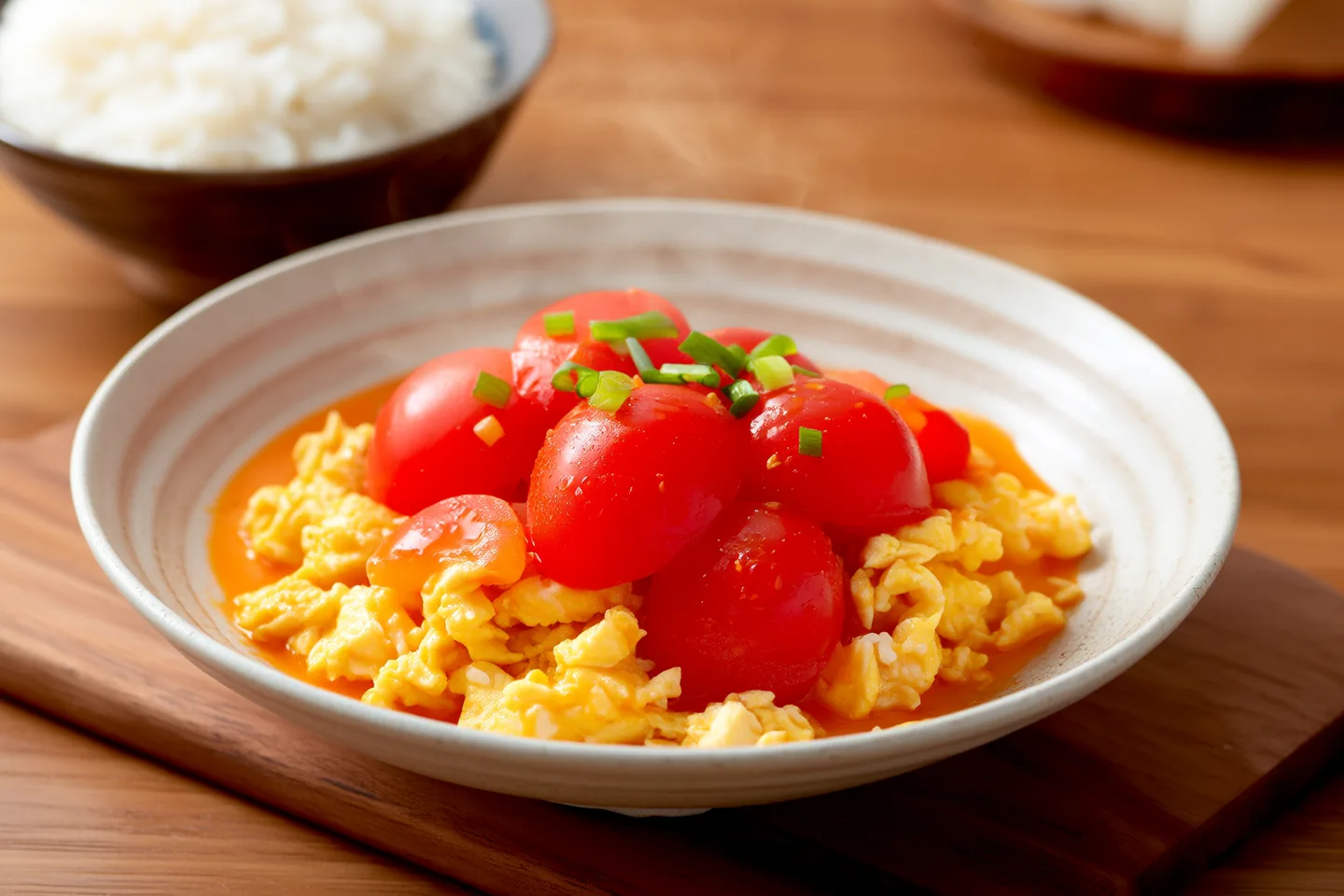
Tomato & Egg (番茄炒蛋)
番茄炒蛋 (Tomato & Egg (番茄炒蛋)) · fān qié chǎo dàn
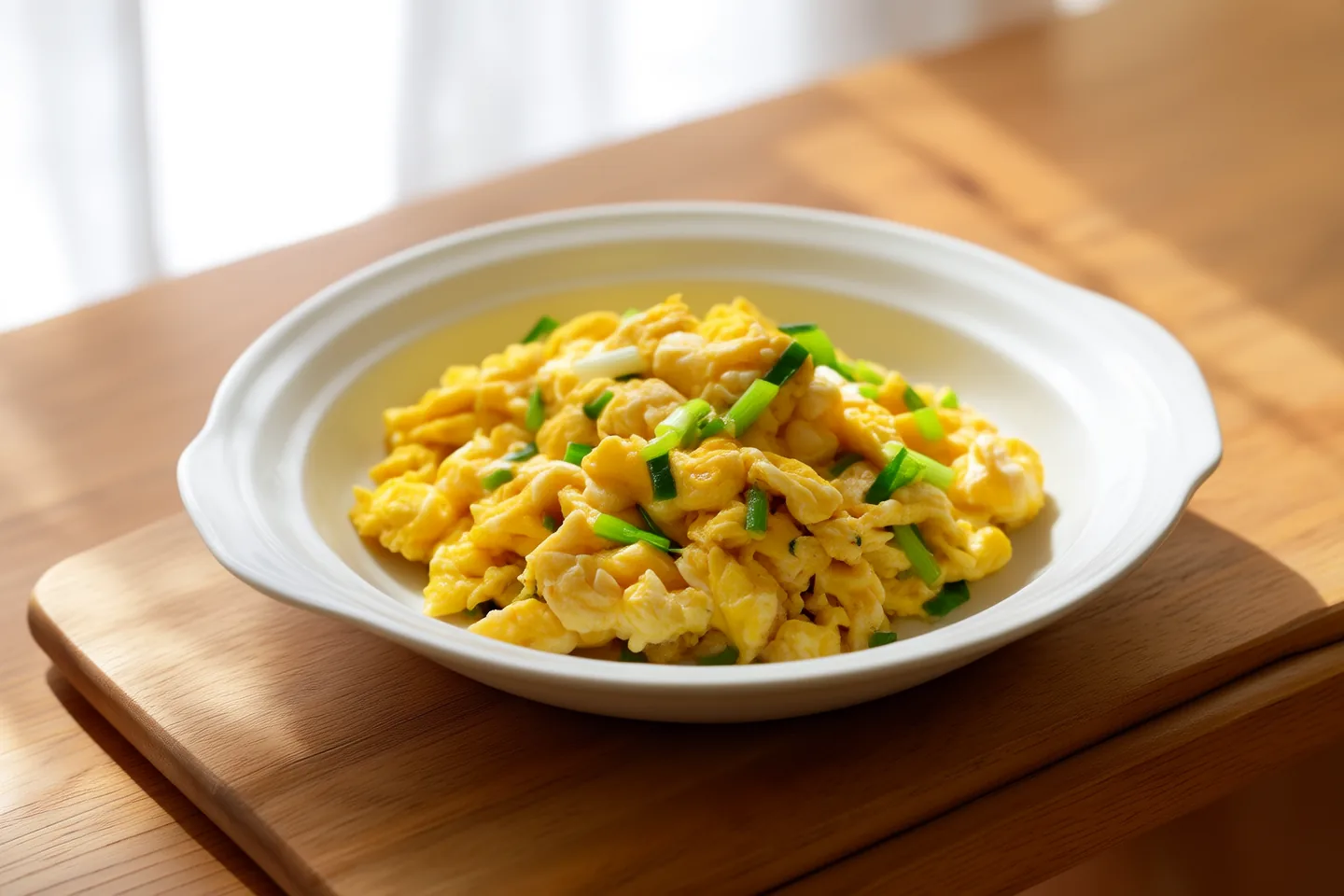
Garlic Chives Scrambled Eggs Recipe | Chinese Scrambled Eggs with Chives
韭菜炒蛋 (Garlic Chives Scrambled Eggs Recipe | Chinese Scrambled Eggs with Chives) · jiǔ cài chǎo dàn
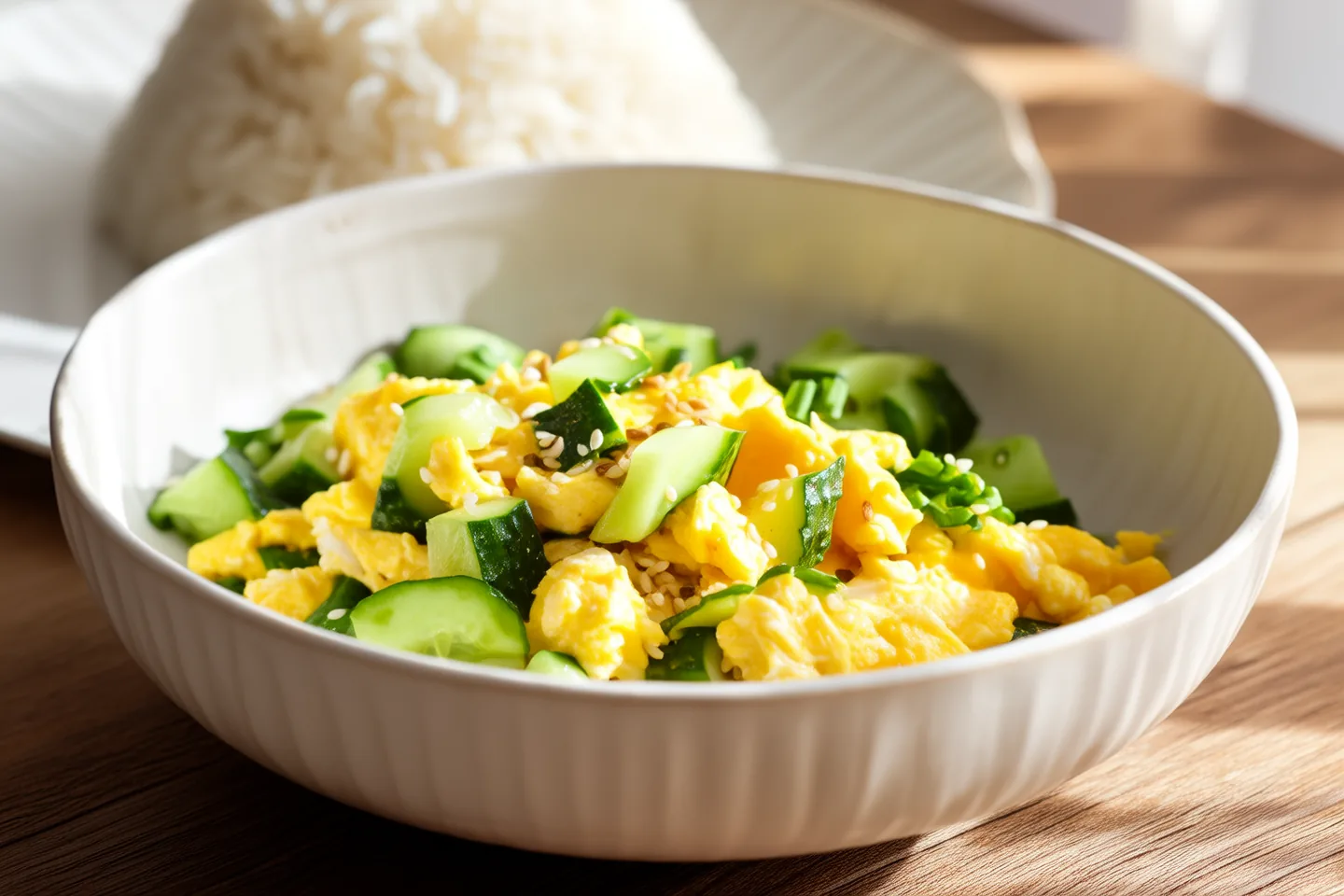
Cucumber Scrambled Eggs Recipe | Quick 15-Min Chinese Home Cooking
黄瓜炒蛋 (Cucumber Scrambled Eggs Recipe | Quick 15-Min Chinese Home Cooking) · huáng guā chǎo dàn