
Braised Eggplant with Minced Pork (肉末茄子)
肉末茄子 · ròu mò qié zi
This is the dish Chinese home cooks reach for when eggplants are in season and there is a small handful of ground pork in the fridge. The pork is not the point — it is seasoning that turns into a sauce: it renders, browns, and leaves behind little crumbs that cling to the soft eggplant. Every family has a version; the arguments are about how much doubanjiang and whether to add vinegar at the end.
Recipe author: HǎoWèi Test Kitchen
Home-cooking research team
Reviewed by HǎoWèi editorial team · Last updated 2026-08-29
Ingredients
- Chinese or Japanese eggplant长茄子🛒 local2 medium (about 450 g)
- ground pork (20% fat)猪肉末(二肥八瘦)🛒 local150 g
- doubanjiang (fermented broad bean chili paste)豆瓣酱🏮 asian1 tbsp
- light soy sauce生抽🏮 asian1 tbsp
- Shaoxing wine绍兴黄酒🏮 asian1 tsp
- garlic, minced蒜末🛒 local3 cloves
- ginger, minced姜末🛒 local1 tsp
- scallion greens, sliced葱花🛒 local2 stalks
- sugar白糖🛒 local1/2 tsp
- cornstarch mixed with 2 tbsp water水淀粉(玉米淀粉 1 茶匙 + 水 2 大勺)🛒 local1 tsp
- neutral oil食用油🛒 local2.5 tbsp
Chinese or Japanese eggplant: Long slim Asian eggplant: thin skin, few seeds, cooks fast. Globe eggplant works — cut it smaller.
ground pork (20% fat): Lean mince works but the sauce will be drier; add 1 extra tsp oil.
doubanjiang (fermented broad bean chili paste): Chop the paste finely first so it melts into the oil. Substitute: 1 tbsp miso + 1/4 tsp chili flakes.
Shaoxing wine: Substitute: dry sherry.
🌶️ Adjust to your taste
Pick a level and we'll show exactly how much to change — no more "适量".
Spice level
Saltiness
Oiliness
Make it vegetarian
Instructions
1Cut the eggplant into finger-thick batons about 5 cm long. Toss with 1/2 tsp salt and let it sit 10 minutes, then pat very dry with paper towel.
切条杀水
🔍 Look for 盐渍 10 分钟 · 10 minutes saltingVisual: 切面渗出细密水珠;条身颜色略深,能弯不易断Beads of water form on the cut surfaces; batons look slightly darker and bend instead of snapping
You know it's right when: 表面微黏不湿——纸巾按压不留水痕Surface is tacky, not wet — pressing with towel leaves no moisture
Salting collapses some of the eggplant's air pockets, so it absorbs far less oil later.
2Heat 2 tbsp oil in a wok or skillet over medium-high. Add the eggplant in one layer and fry 4–5 minutes, turning once, until the edges are golden and the flesh slumps.
干煎上色
🔍 Look for Medium-high 4–5 分钟 · 4–5 minutesVisual: 内部由白转奶白,边缘焦黄;油被「吐」回锅里Pale flesh turns creamy white inside with browned edges; oil pools back in the pan
You know it's right when: 筷子能毫无阻力地穿过最粗的一块A chopstick slides through the thickest piece with no resistance
3Push the eggplant to the rim of the pan, add the last 1/2 tbsp oil and the pork. Stir and break it up over medium-high until it loses its pink color and the rendered fat runs clear, about 2 minutes.
煸炒肉末
🔍 Look for Medium-high 2 分钟 · 2 minutesVisual: 肉末散成细碎颗粒,边缘微焦,锅里的油由浑浊变清亮Pork separates into fine crumbs, edges lightly browned, rendered fat no longer cloudy
You know it's right when: 滋滋声变柔;肉碎开始微微粘锅底The sizzling sound softens; the crumbs start to stick slightly to the pan bottom
4Add garlic, ginger and doubanjiang. Fry 30 seconds, pressing the paste into the oil, until the oil turns red and smells toasty.
炒香豆瓣酱
🔍 Look for Medium heat 30 秒 · 30 secondsVisual: 油色从淡金变成红亮;酱粒颜色变深但不发黑Oil shifts from pale gold to glossy red; paste fragments darken but do not blacken
You know it's right when: 浓郁的酱辣香窜上来——闻到糊味前立刻降火Sharp savory-spicy aroma rises — pull it off the heat before it smells burnt
5Return the eggplant to the center. Add soy sauce, Shaoxing wine, sugar and 80 ml water. Toss gently, cover, and simmer over medium-low heat 5 minutes.
加汁焖煮
🔍 Look for Medium-low 加盖焖 5 分钟 · 5 minutes coveredVisual: 汤汁化成稀薄的红色酱汁;茄条完全变软Sauce loosens into a thin reddish glaze; batons soften completely
You know it's right when: 锅边气泡从急促变慵懒——水收得差不多了Bubbles around the rim turn from rapid to lazy — most of the water has cooked off
6Stir the cornstarch slurry again and pour it in while stirring. Add scallion greens, toss 30 seconds until the sauce coats the eggplant, and serve hot over rice.
勾芡出锅
🔍 Look for Medium heat 30 秒 · 30 secondsVisual: 汤汁由稀变亮并开始挂芡;从勺边流下时不再稀水Sauce goes from watery to glossy and clings; it no longer runs off the spoon
You know it's right when: 铲子划过锅底留下的痕迹能停留一秒The spoon leaves a clean trail on the pan bottom for a second
Tips
- · Dry the eggplant twice: once after salting, once after rinsing if you rinse the salt off. Water is the enemy of browning.
- · Chop the doubanjiang before it hits the pan — whole beans stay raw-tasting.
- · Add a splash of Chinkiang vinegar at the very end if the sauce tastes flat; acid wakes it up.
- · Leftovers are better on day two: the sauce seeps in. Reheat covered with 1 tbsp water.
Sources & references
Quantities, technique notes, and substitution ratios are cross-checked against established Chinese cookery references and standard food-science sources.
- Read our editorial policy
- Fuchsia Dunlop, Land of Plenty: A Treasury of Authentic Sichuan Cooking
- USDA FoodData Central — ingredient nutrition and portion data
- Traditional Chinese family-kitchen practice and regional taste records
Common questions
How do I keep eggplant from soaking up all the oil?
Two tricks: salt the cut eggplant and let it sit 10–15 minutes, then squeeze out the water — this collapses the spongy structure that drinks oil. Or microwave or steam it briefly first so it's half-cooked before it hits the pan. Either way it stays creamy inside with far less grease.
Source: HǎoWèi vegetable guide
Can I skip Shaoxing wine? What's the substitute?
Dry sherry is the closest 1:1 swap (fidelity ~80%). No sherry? Use a splash of white wine plus a little water, or just skip it and add a tiny extra pinch of sugar — the wine's job is depth and removing meat's gamey notes, and a good marinade covers most of it.
Source: HǎoWèi substitution engine
Why do you cook the aromatics (garlic/ginger) first on low heat?
Aromatics contain oils and sugars that turn bitter if scorched. Gentle heat (low-medium) lets garlic and ginger release their fragrance without browning too fast. If the pan is too hot, garlic goes bitter within seconds — that's why we always add aromatics first, before the main ingredients.
Source: Chinese Cooking Demystified technique library
🥢 Ask HǎoWèi
Questions about technique, ingredients, substitutions, and flavor — answered from our verified cooking knowledge base.
What to serve with it
A complete Chinese dinner in one plan — pick one from each role.
What cooks say
Made this? Leave a note.
- No comments yet — be the first!
Cook next

Yu Xiang Eggplant (Fish-Flavored Eggplant)
鱼香茄子 (Yu Xiang Eggplant (Fish-Flavored Eggplant)) · yú xiāng qié zi
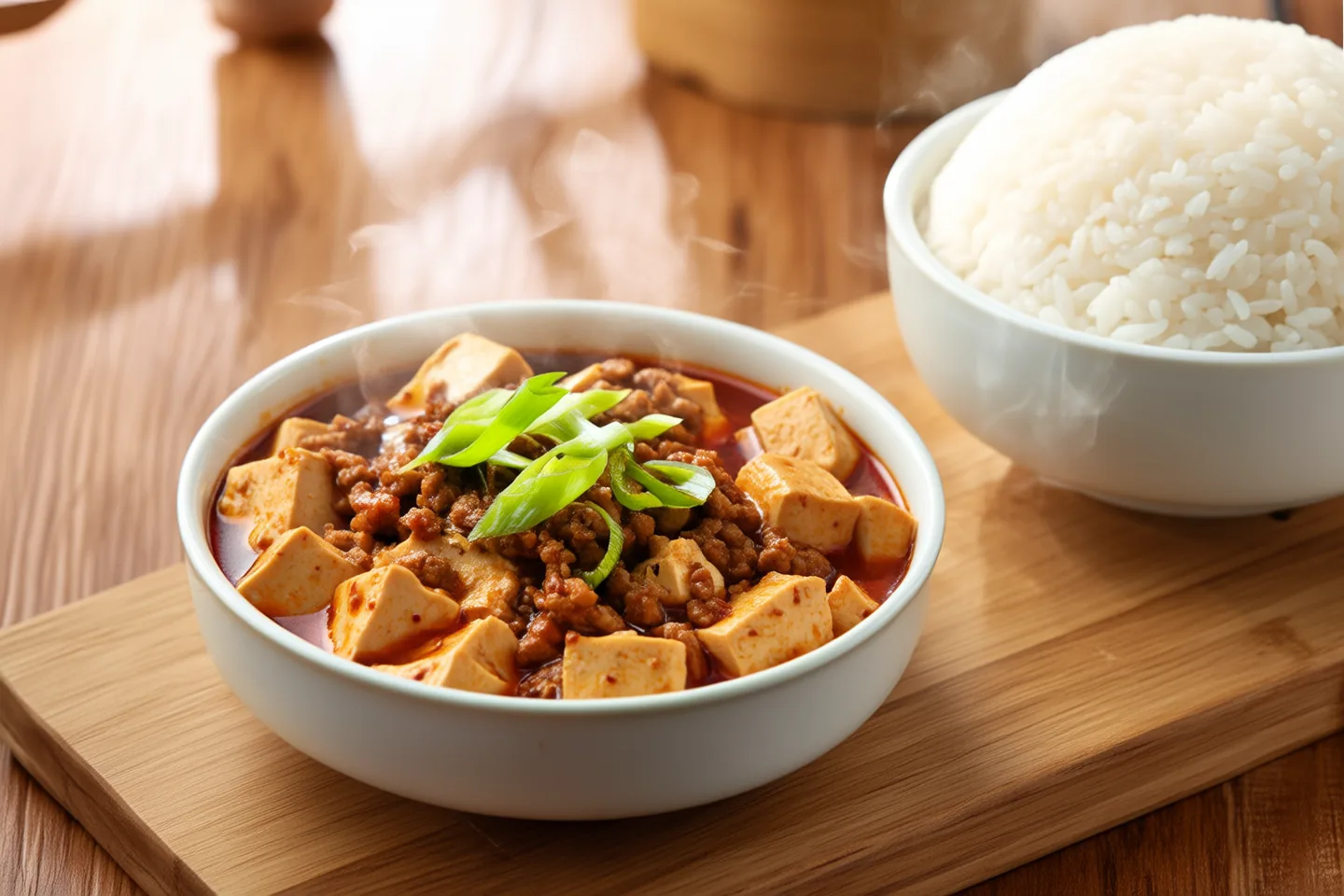
Mapo Tofu (麻婆豆腐)
麻婆豆腐 (Mapo Tofu (麻婆豆腐)) · má pó dòu fu
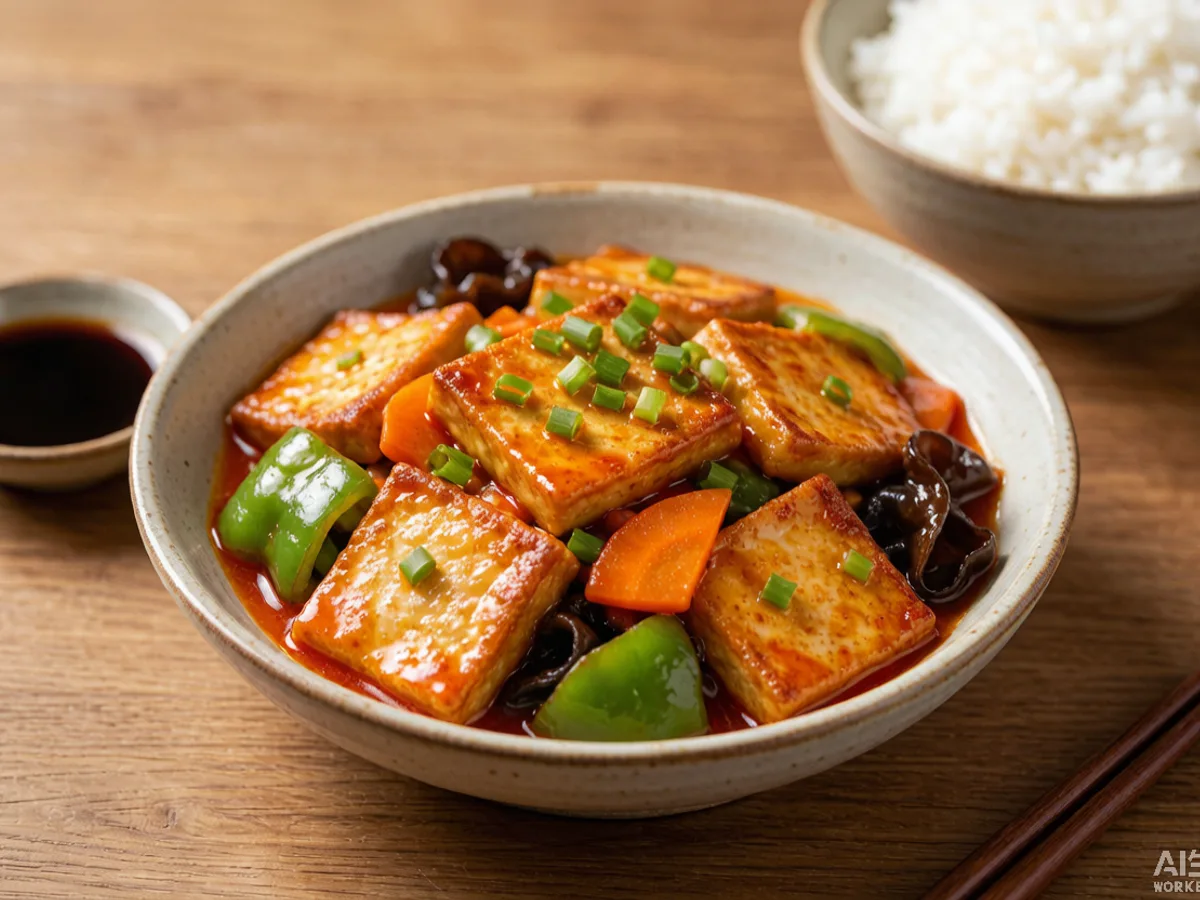
Home-style Tofu (家常豆腐)
家常豆腐 (Home-style Tofu (家常豆腐)) · jiā cháng dòu fu