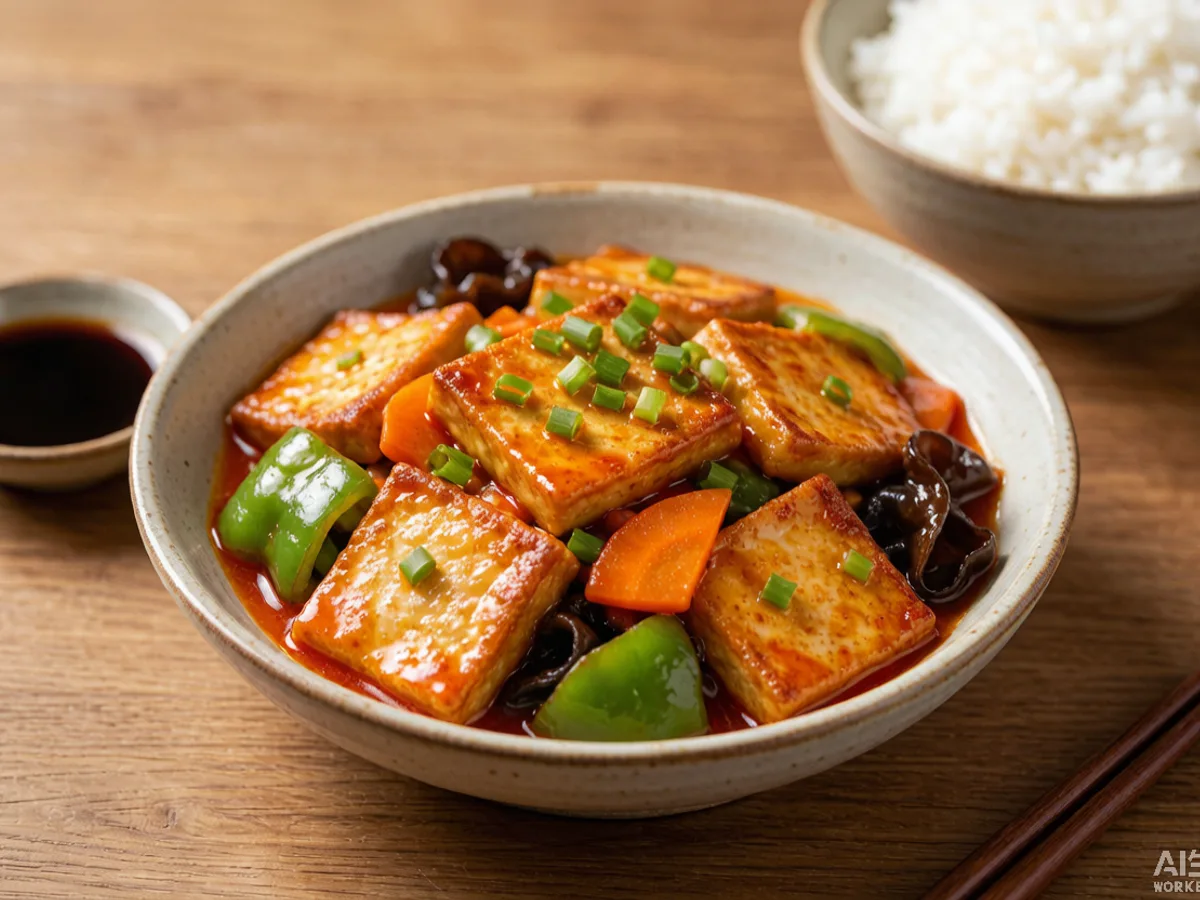
Home-style Tofu (家常豆腐)
家常豆腐 · jiā cháng dòu fu
In Sichuan homes, 家常豆腐 is the tofu dish grandma makes when she wants something heartier than mapo. The tofu is pan-fried first — that golden, slightly chewy skin is called the 'tiger skin' (虎皮), and it's what lets the squares soak up sauce without falling apart. Every family's sauce is a little different; this one uses doubanjiang for the red base, a few pork slices for richness, and whatever vegetables are in the fridge.
Recipe author: HǎoWèi Test Kitchen
Home-cooking research team
Reviewed by HǎoWèi editorial team · Last updated 2026-08-29
Ingredients
- firm tofu老豆腐🏮 asian400 g
- pork belly or shoulder, thin slices五花肉片🛒 local100 g
- green bell pepper, cut into squares青椒🛒 local1 (about 150 g)
- carrot, thinly sliced胡萝卜🛒 local1/2 (about 60 g)
- dried wood ear mushrooms, soaked黑木耳🏮 asian10 g (dry)
- doubanjiang (fermented chili bean paste)郫县豆瓣酱🏮 asian1 tbsp
- light soy sauce生抽🏮 asian1 tbsp
- garlic, sliced蒜片🛒 local3 cloves
- ginger, sliced姜片🛒 local3 slices
- scallions, chopped小葱🛒 local2 stalks
- cornstarch slurry (1 tbsp cornstarch + 2 tbsp water)水淀粉🛒 local3 tbsp total
- neutral oil食用油🛒 local3 tbsp
firm tofu: Firm or extra-firm — the golden crust needs structure.
pork belly or shoulder, thin slices: Optional — skip for a vegetarian version.
dried wood ear mushrooms, soaked: Soak in warm water 20 min; or skip and add 1 more veggie.
🌶️ Adjust to your taste
Pick a level and we'll show exactly how much to change — no more "适量".
Spice level
Saltiness
Oiliness
Make it vegetarian
Instructions
1Cut tofu into 1.5 cm thick slices, then into triangles or squares. Pat completely dry with paper towels — dry tofu sears instead of splattering.
切豆腐并吸干水分
🔍 Look forVisual: 豆腐表面哑光干燥,没有渗水珠Tofu surface looks matte and dry, no beading water
You know it's right when: 纸巾按上去几乎不湿Paper towel comes away nearly dry
Extra-firm tofu needs almost no pressing; soft-firm tofu benefits from 10 minutes under a light weight.
2Heat 2 tbsp oil in a skillet over medium-high. Fry tofu in a single layer until deep golden, about 3 minutes per side. Set aside.
中大火煎豆腐
🔍 Look for Medium-high 每面 3 分钟 · 3 minutes per sideVisual: 底部边缘先变金黄再转深琥珀色,形成脆韧的“虎皮”Bottom edge turns golden then deep amber; a crisp 'tiger skin' forms
You know it's right when: 豆腐能轻松离锅——说明可以翻面了Tofu releases from the pan easily — it's ready to flip
3Lower heat to medium, add remaining 1 tbsp oil. Fry pork slices until they start to render and brown slightly at the edges.
煸炒肉片
🔍 Look for Medium heat 2-3 分钟 · 2-3 minutesVisual: 肉片边缘微焦,肥肉部分变半透明Pork edges turn light brown and fat turns translucent
You know it's right when: 肥肉出油,锅底泛着油光Fat has rendered and the pan bottom glistens
Vegetarian: skip the pork and start directly at step 4 with an extra teaspoon of doubanjiang.
4Add doubanjiang, garlic, and ginger. Stir-fry 1 minute until the oil turns red and smells fragrant.
炒豆瓣酱出红油
🔍 Look for Medium heat 1 分钟 · 1 minuteVisual: 油变成深橙红色,酱料裹在肉片上Oil turns deep red-orange and the paste clings to the meat
You know it's right when: 香气浓郁锐利——别等酱色发黑Sharp, rich aroma — before the paste darkens or burns
5Add carrot and wood ear, stir 1 minute. Return tofu, add soy sauce and 1 cup water (250 ml). Bring to a simmer and cook 5 minutes.
加水烧豆腐
🔍 Look for Medium-low 5 分钟 · 5 minutesVisual: 汤汁在豆腐周围微微冒泡,豆腐边缘因吸色变深Sauce bubbles gently around the tofu; tofu edges darken as they soak up color
You know it's right when: 汤汁收掉约三分之一Sauce has reduced by about a third
6Add green pepper and half the cornstarch slurry. Push the sauce gently (don't stir the tofu) until it turns glossy. Add the rest if you want a thicker coat.
下青椒勾芡
🔍 Look for 30-60 秒 · 30-60 secondsVisual: 汤汁变得油亮,能挂在勺背Sauce turns glossy and clings to the back of a spoon
You know it's right when: 勺子划过留下清晰痕迹Spoon leaves a clear trail through the sauce
7Off heat, fold in scallions. Serve immediately with steamed rice.
撒葱花出锅
🔍 Look forVisual: 红亮的酱汁、金黄的豆腐、翠绿的青椒——经典家常卖相Glossy red sauce, golden tofu, bright green pepper — classic home-style look
You know it's right when: 趁热浇在米饭上Serve hot over rice
Tips
- · Patting the tofu dry is the single most important step — wet tofu never crisps.
- · Doubanjiang is salty; taste before adding any extra salt.
- · Frying in a single layer matters: overcrowding steams the tofu instead of searing it.
- · This is a 'clean-out-the-fridge' dish: mushrooms, zucchini, or cabbage all work.
Sources & references
Quantities, technique notes, and substitution ratios are cross-checked against established Chinese cookery references and standard food-science sources.
- Read our editorial policy
- Fuchsia Dunlop, Land of Plenty: A Treasury of Authentic Sichuan Cooking
- USDA FoodData Central — ingredient nutrition and portion data
- Traditional Chinese family-kitchen practice and regional taste records
Common questions
What type of tofu should I use?
Silken/soft tofu (嫩豆腐) for mapo tofu and soups — silky, falls apart gently. Firm/extra-firm (老豆腐) for stir-fries, braises, and anything you want to keep its shape. If the recipe doesn't say, firm is the safe default for stir-fries.
Source: HǎoWèi ingredient guide
Is there a vegan substitute for oyster sauce?
Yes — 'mushroom oyster sauce' (often labeled vegetarian/vegan) is sold in most Asian grocers and increasingly in mainstream supermarkets. It behaves 1:1 and adds the same glossy umami. Watch labels if you're also gluten-free; most brands are GF, some aren't.
Source: HǎoWèi substitution engine
Why do you cook the aromatics (garlic/ginger) first on low heat?
Aromatics contain oils and sugars that turn bitter if scorched. Gentle heat (low-medium) lets garlic and ginger release their fragrance without browning too fast. If the pan is too hot, garlic goes bitter within seconds — that's why we always add aromatics first, before the main ingredients.
Source: Chinese Cooking Demystified technique library
Ingredient swaps
Can't find an Asian-market staple? Use these.
Swap: firm tofu
→ halloumi (for frying) or paneer
Ratio: 1:1 · Both hold shape better in wok dishes.
Swap: light soy sauce
→ regular soy sauce
Ratio: 1:1 · Slightly saltier — dial salt back by a pinch.
Don't make these mistakes
The traps every home cook hits — and how to avoid them.
✗ Crowding the pan — ingredients steam instead of sear.
✓ Fix: Cook in batches; give each piece room to brown.
✗ Adding sauce too early — the wok cools and flavors dull.
✓ Fix: Push food up the wok wall, add sauce to the hot center, toss fast.
Ways to change it up
One dish, three moods.
- Use silken tofu for a softer mapo-style texture
- Swap in eggplant for a vegan twist (pan-fry first)
- Add a handful of leafy greens in the last minute
🥢 Ask HǎoWèi
Questions about technique, ingredients, substitutions, and flavor — answered from our verified cooking knowledge base.
What to serve with it
A complete Chinese dinner in one plan — pick one from each role.
What cooks say
Made this? Leave a note.
- No comments yet — be the first!
Cook next
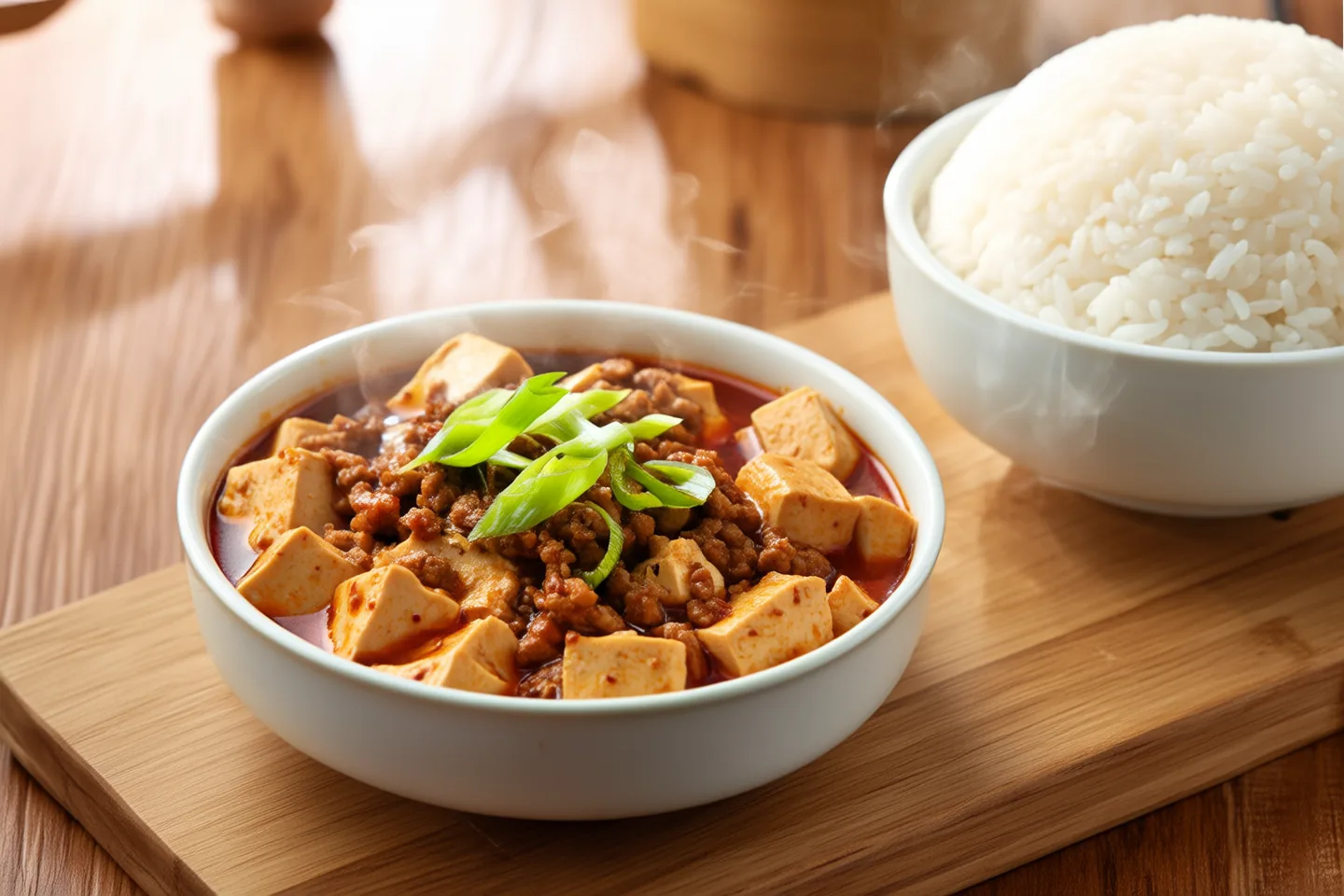
Mapo Tofu (麻婆豆腐)
麻婆豆腐 (Mapo Tofu (麻婆豆腐)) · má pó dòu fu
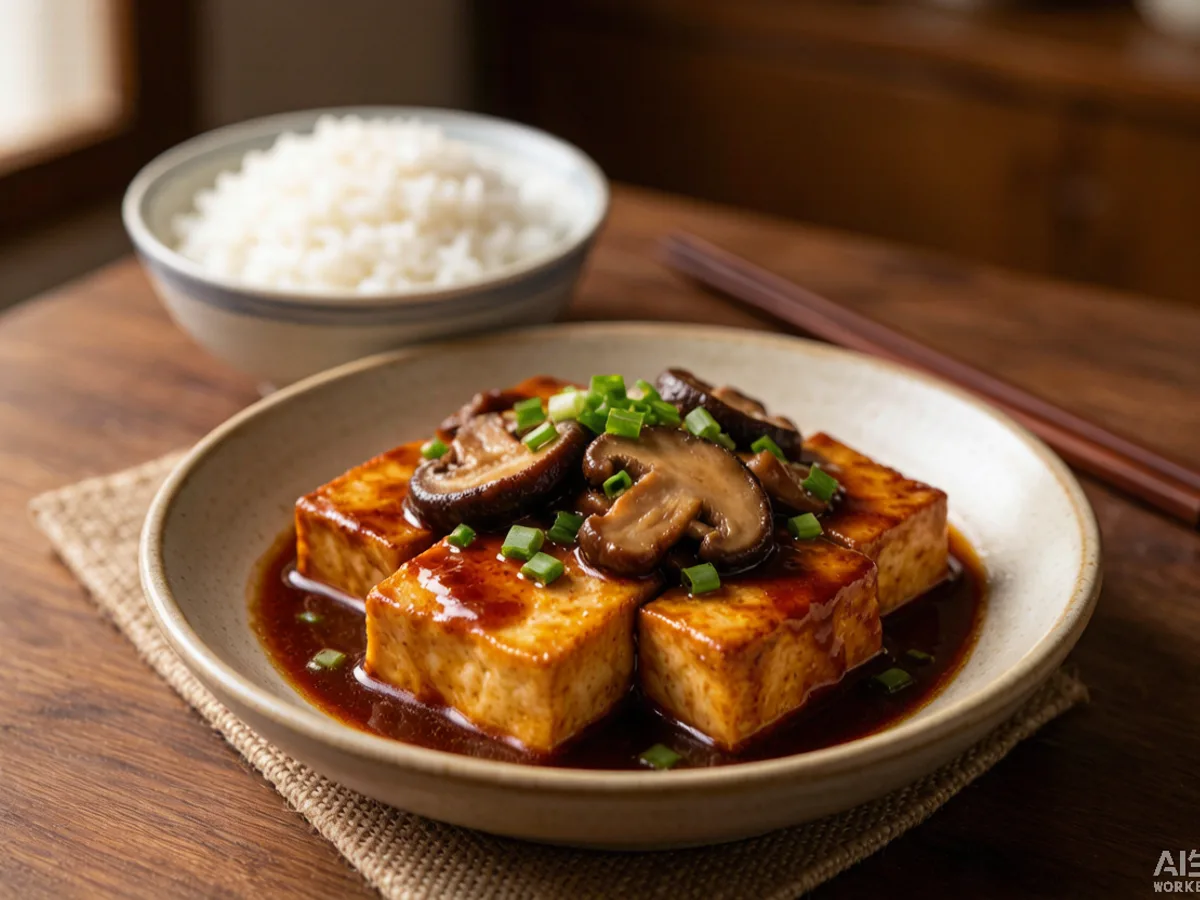
Braised Tofu (红烧豆腐)
红烧豆腐 (Braised Tofu (红烧豆腐)) · hóng shāo dòu fu
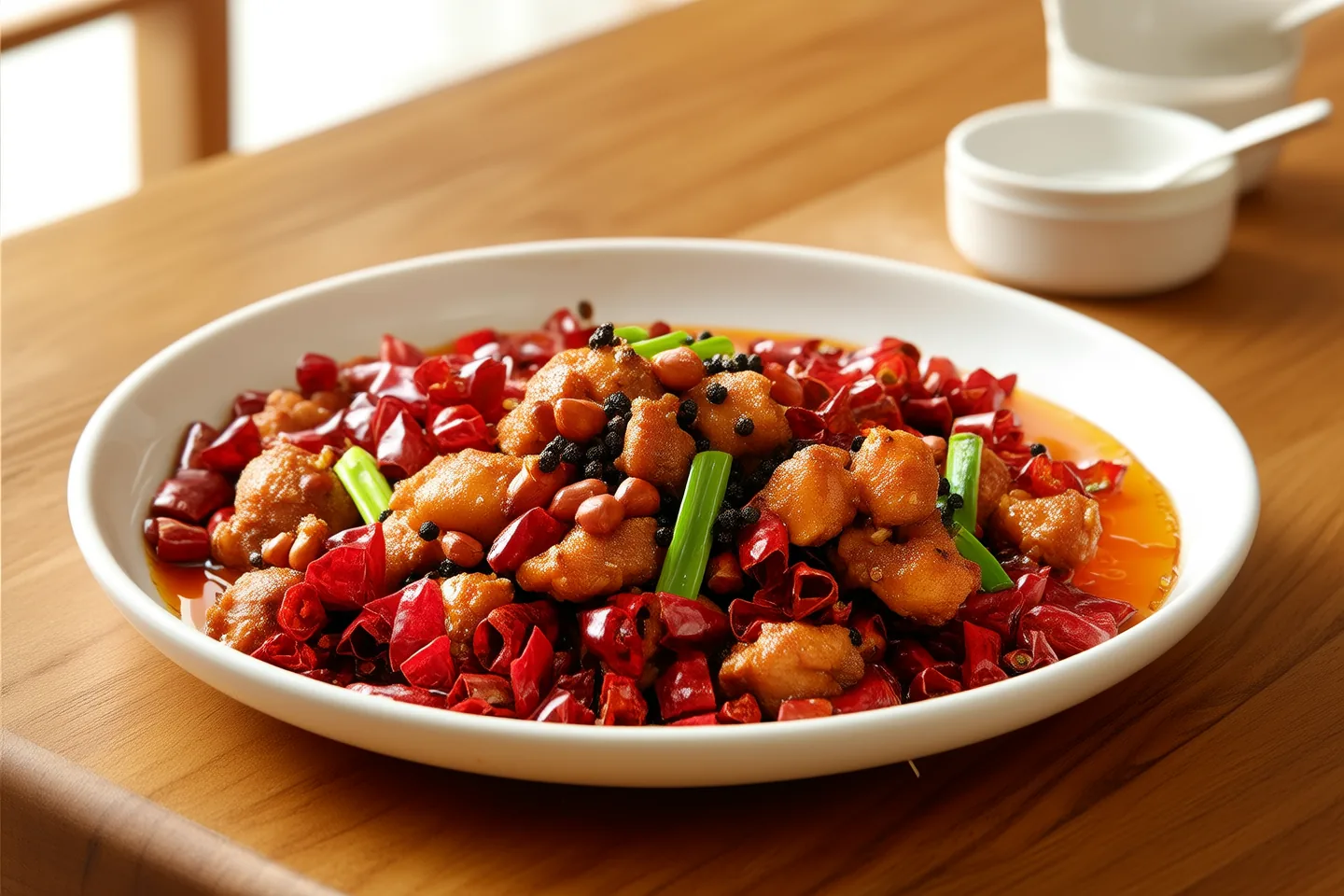
Kung Pao Chicken (宫保鸡丁)
宫保鸡丁 (Kung Pao Chicken (宫保鸡丁)) · gōng bǎo jī dīng