
Honey Soy Glazed Tofu
蜜汁豆腐 · mì zhī dòu fu
This Cantonese dish features tofu with a glossy, caramelized glaze made from soy sauce and honey. The contrast of sweet and savory is irresistible.
Recipe author: HǎoWèi Test Kitchen
Home-cooking research team
Reviewed by HǎoWèi editorial team · Last updated 2026-08-29
Ingredients
- firm tofu, sliced老豆腐,切片🛒 local400 g
- soy sauce酱油🏮 asian3 tbsp
- honey蜂蜜🛒 local2 tbsp
- vegetable oil食用油🛒 local2 tbsp
- ginger, julienned生姜,切丝🛒 local10 g
honey: Or rock sugar
🌶️ Adjust to your taste
Pick a level and we'll show exactly how much to change — no more "适量".
Spice level
Saltiness
Oiliness
Make it vegetarian
Instructions
1Press tofu for 15 minutes. Cut into 2cm thick slices. Pat dry.
吸干水分
2Heat oil in a pan. Fry tofu slices for 2 minutes per side until golden.
不要频繁翻面
🔍 Look for Medium heat 2 分钟 · 2 minutesVisual: 豆腐有金黄脆壳Tofu has golden crust
You know it's right when: 脆壳轻易脱离Crust releases easily
3Add ginger and stir-fry for 10 seconds.
快炒
4Mix soy sauce and honey. Pour over tofu. Cook for 1 minute until glaze thickens and coats.
酱汁要浓
🔍 Look for Medium heat 1 分钟 · 1 minuteVisual: 酱汁冒泡变稠Sauce bubbles and thickens
You know it's right when: glaze 粘附豆腐Glaze clings to tofu
5Serve immediately, garnished with sesame seeds.
趁热
Tips
- · Press tofu well for better glaze adhesion.
- · Don't reduce the honey — it's essential for the gloss.
- · Serve with steamed rice to soak up the glaze.
Sources & references
Quantities, technique notes, and substitution ratios are cross-checked against established Chinese cookery references and standard food-science sources.
- Read our editorial policy
- Fuchsia Dunlop, Land of Plenty: A Treasury of Authentic Sichuan Cooking
- USDA FoodData Central — ingredient nutrition and portion data
- Traditional Chinese family-kitchen practice and regional taste records
Common questions
What type of tofu should I use?
Silken/soft tofu (嫩豆腐) for mapo tofu and soups — silky, falls apart gently. Firm/extra-firm (老豆腐) for stir-fries, braises, and anything you want to keep its shape. If the recipe doesn't say, firm is the safe default for stir-fries.
Source: HǎoWèi ingredient guide
Is there a vegan substitute for oyster sauce?
Yes — 'mushroom oyster sauce' (often labeled vegetarian/vegan) is sold in most Asian grocers and increasingly in mainstream supermarkets. It behaves 1:1 and adds the same glossy umami. Watch labels if you're also gluten-free; most brands are GF, some aren't.
Source: HǎoWèi substitution engine
Why do you cook the aromatics (garlic/ginger) first on low heat?
Aromatics contain oils and sugars that turn bitter if scorched. Gentle heat (low-medium) lets garlic and ginger release their fragrance without browning too fast. If the pan is too hot, garlic goes bitter within seconds — that's why we always add aromatics first, before the main ingredients.
Source: Chinese Cooking Demystified technique library
🥢 Ask HǎoWèi
Questions about technique, ingredients, substitutions, and flavor — answered from our verified cooking knowledge base.
What to serve with it
A complete Chinese dinner in one plan — pick one from each role.
What cooks say
Made this? Leave a note.
- No comments yet — be the first!
Cook next

Pan-Fried Tofu
香煎豆腐 (Pan-Fried Tofu) · xiāng jiān dòu fu
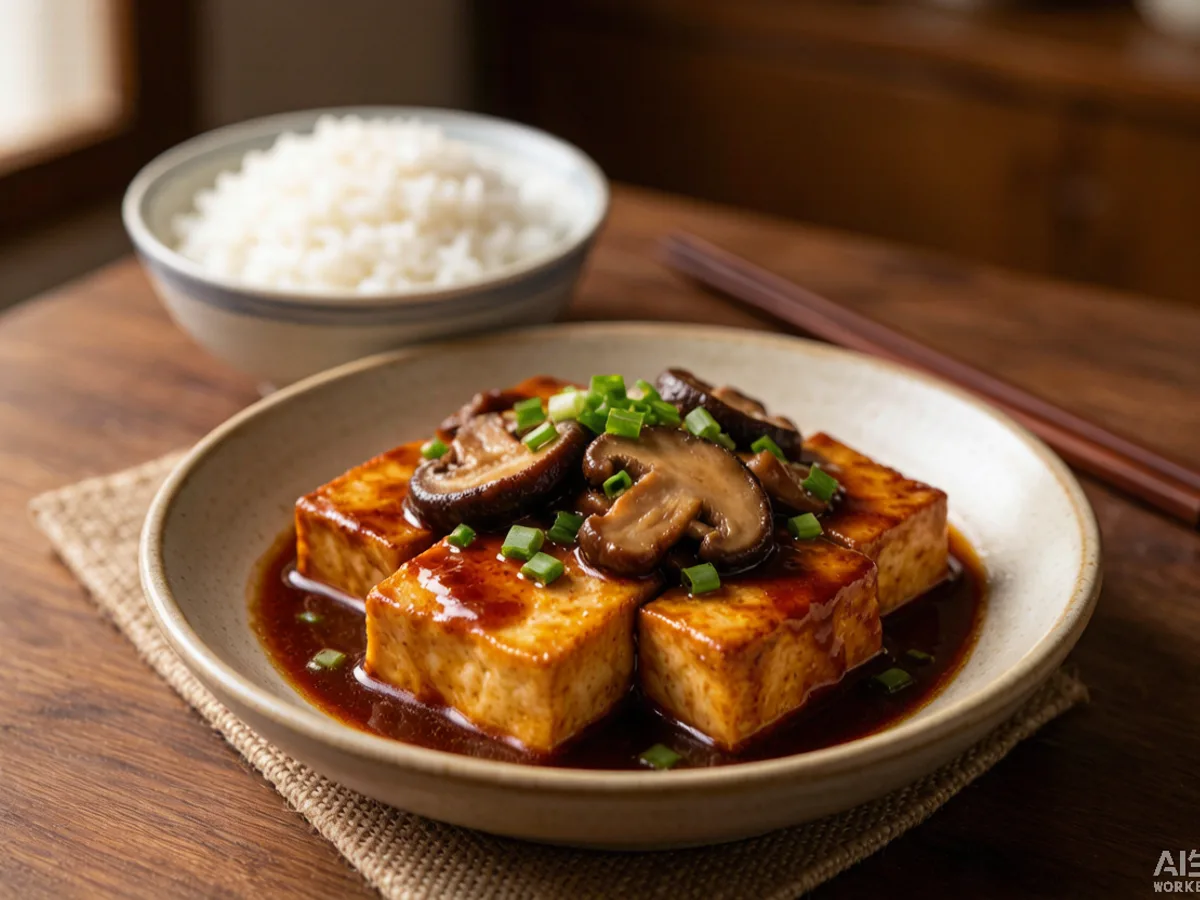
Braised Tofu (红烧豆腐)
红烧豆腐 (Braised Tofu (红烧豆腐)) · hóng shāo dòu fu
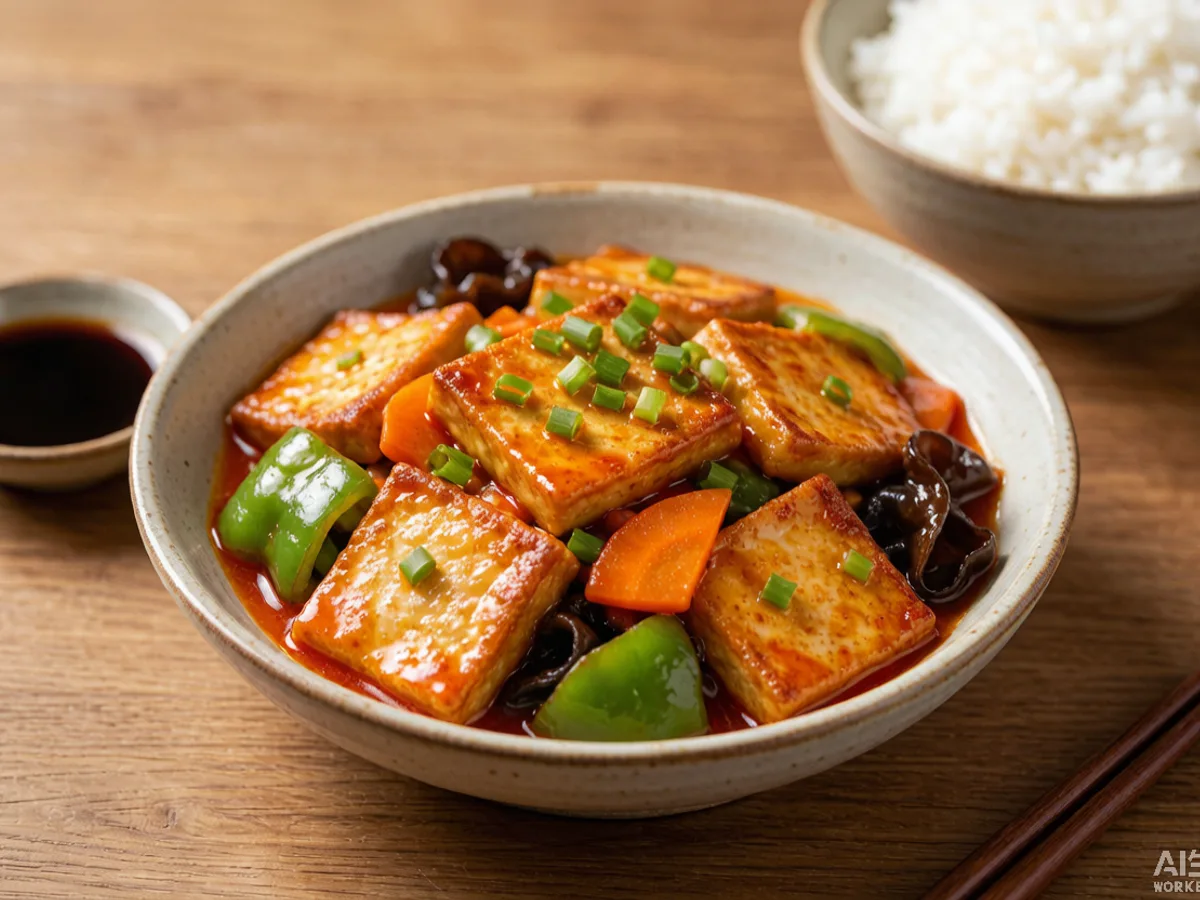
Home-style Tofu (家常豆腐)
家常豆腐 (Home-style Tofu (家常豆腐)) · jiā cháng dòu fu