
Dry-Fried Green Beans (干煸四季豆)
干煸四季豆 · gān biǎn sì jì dòu
Dry-fried green beans is the Sichuan dish that converts people who 'don't like vegetables'. The beans are blistered in hot oil until their skins wrinkle and turn sweet, then tossed with garlic, chilies, and the salty pop of preserved mustard greens. It's the vegetable equivalent of a perfectly seared steak — all surface, all flavor.
Recipe author: HǎoWèi Test Kitchen
Home-cooking research team
Reviewed by HǎoWèi editorial team · Last updated 2026-08-29
Ingredients
- green beans (haricot verts or Chinese long beans)四季豆🛒 local400 g
- ground pork (optional, for meat version)猪肉末(可选,荤版)🛒 local100 g
- preserved mustard greens (suimiyacai / 碎米芽菜)碎米芽菜🏮 asian2 tbsp
- garlic, minced蒜末🛒 local4 cloves
- dried red chilies, cut into 1 cm pieces干辣椒段🏮 asian6-8
- Sichuan peppercorns花椒🏮 asian1 tsp
- light soy sauce生抽🏮 asian1 tbsp
- sugar白糖🛒 local1/2 tsp
- neutral oil食用油🛒 local4 tbsp
green beans (haricot verts or Chinese long beans): Trim ends and pull off the strings. Pat very dry before frying.
preserved mustard greens (suimiyacai / 碎米芽菜): The umami backbone. Substitutes: finely chopped pickled mustard or 1 tbsp doubanjiang.
dried red chilies, cut into 1 cm pieces: Use fewer seeds for less heat — or remove seeds entirely for aroma only.
🌶️ Adjust to your taste
Pick a level and we'll show exactly how much to change — no more "适量".
Spice level
Saltiness
Oiliness
Make it vegetarian
Instructions
1Trim the beans and pat them completely dry — water in the oil causes dangerous splatter and prevents blistering.
处理四季豆并擦干
🔍 Look forVisual: 豆角干爽翠绿,两头修剪平整Beans are dry, bright green, with stems trimmed flush
You know it's right when: 表面没有水珠No water droplets on the surface
2Heat oil in a wok over medium-high. Add the beans in one layer and pan-fry, turning occasionally, until the skins blister and wrinkle, about 5-6 minutes. Remove and drain.
煎到虎皮
🔍 Look for Medium-high 5-6 分钟 · 5-6 minutesVisual: 豆角皮起泡起皱,部分呈金黄绿色Bean skins are blistered, wrinkled, and golden-green in spots
You know it's right when: 豆角可以轻松弯折但仍挺括——不是软塌塌Beans bend easily but still have structure — not limp
3If using pork, add it to the wok now and stir-fry until it turns opaque and starts to brown, about 2 minutes.
炒肉末(可选)
🔍 Look for Medium-high 2 分钟 · 2 minutesVisual: 肉末从粉色变浅褐,开始出油Pork turns from pink to pale brown, releasing fat
You know it's right when: 肉末松散,边缘微焦Pork is crumbly with browned edges
4Lower heat to medium. Add garlic, dried chilies, and Sichuan peppercorns. Stir 20 seconds until fragrant — don't let the chilies burn black.
下香料爆香
🔍 Look for Medium heat 20 秒 · 20 secondsVisual: 辣椒变油亮深红,油色泛红Chilies turn glossy and darker red; oil takes on a reddish tint
You know it's right when: 尖锐的香辣味——在辣椒冒烟之前Sharp, spicy aroma — before the chilies smoke
5Add the preserved greens and stir-fry 30 seconds to toast them.
炒芽菜
🔍 Look for 30 秒 · 30 secondsVisual: 芽菜颜色略深,散发干香Preserved greens darken slightly and smell toasty
You know it's right when: 香气浓郁咸鲜——像炒过的培根碎Aroma is deeply savory — like fried bacon bits
6Return the beans to the wok. Add soy sauce and sugar, toss everything over high heat for 30 seconds until the beans are coated and glistening. Serve immediately.
回锅调味
🔍 Look for High heat 30 秒 · 30 secondsVisual: 豆角油亮,裹着薄薄一层咸鲜酱汁,点缀辣椒碎Beans are glossy, coated in a thin savory glaze, with chili flecks
You know it's right when: 没有生酱油味——全部热透No raw soy smell — everything is piping hot
Tips
- · Blistering is the point — wrinkled skins turn sweet and absorb seasoning. Undercooked beans are chewy.
- · Keep the beans moving so they brown evenly instead of charring in spots.
- · Ya cai is worth hunting for at an Asian grocer — it's the salty pop that makes this dish.
- · If beans start to smoke, drop the heat: oil smoke ruins the flavor.
Sources & references
Quantities, technique notes, and substitution ratios are cross-checked against established Chinese cookery references and standard food-science sources.
- Read our editorial policy
- Fuchsia Dunlop, Land of Plenty: A Treasury of Authentic Sichuan Cooking
- USDA FoodData Central — ingredient nutrition and portion data
- Traditional Chinese family-kitchen practice and regional taste records
Common questions
Is there a vegan substitute for oyster sauce?
Yes — 'mushroom oyster sauce' (often labeled vegetarian/vegan) is sold in most Asian grocers and increasingly in mainstream supermarkets. It behaves 1:1 and adds the same glossy umami. Watch labels if you're also gluten-free; most brands are GF, some aren't.
Source: HǎoWèi substitution engine
I can't find Sichuan peppercorns. What do I use?
Honestly, there is no true substitute — the numbing (má) sensation is unique. Best local approximation: 1/2 tsp black pepper + a little citrus zest for warmth and brightness. If you cook Sichuan food regularly, buy them online; they keep for months in an airtight jar.
Source: HǎoWèi substitution engine
What's the difference between light and dark soy sauce?
Light soy (生抽) is the everyday salty seasoning — thin and salty, used in most recipes. Dark soy (老抽) is thicker, darker, slightly sweet, and used mostly for color (braises, fried rice). If you only buy one, get light soy. For dark soy's color: 1 tbsp light soy + a pinch of sugar + a few drops of molasses.
Source: HǎoWèi pantry guide
Ingredient swaps
Can't find an Asian-market staple? Use these.
Swap: Sichuan peppercorns
→ black peppercorn + pinch of lemon zest
Ratio: 1:1 · Loses the numbing, keeps some aroma.
Swap: light soy sauce
→ regular soy sauce
Ratio: 1:1 · Slightly saltier — dial salt back by a pinch.
Don't make these mistakes
The traps every home cook hits — and how to avoid them.
✗ Crowding the pan — ingredients steam instead of sear.
✓ Fix: Cook in batches; give each piece room to brown.
✗ Adding sauce too early — the wok cools and flavors dull.
✓ Fix: Push food up the wok wall, add sauce to the hot center, toss fast.
Ways to change it up
One dish, three moods.
- Add mushrooms for a meaty texture
- Finish with toasted sesame seeds for crunch
- Serve with a fried egg for extra protein
🥢 Ask HǎoWèi
Questions about technique, ingredients, substitutions, and flavor — answered from our verified cooking knowledge base.
What to serve with it
A complete Chinese dinner in one plan — pick one from each role.
What cooks say
Made this? Leave a note.
- No comments yet — be the first!
Cook next
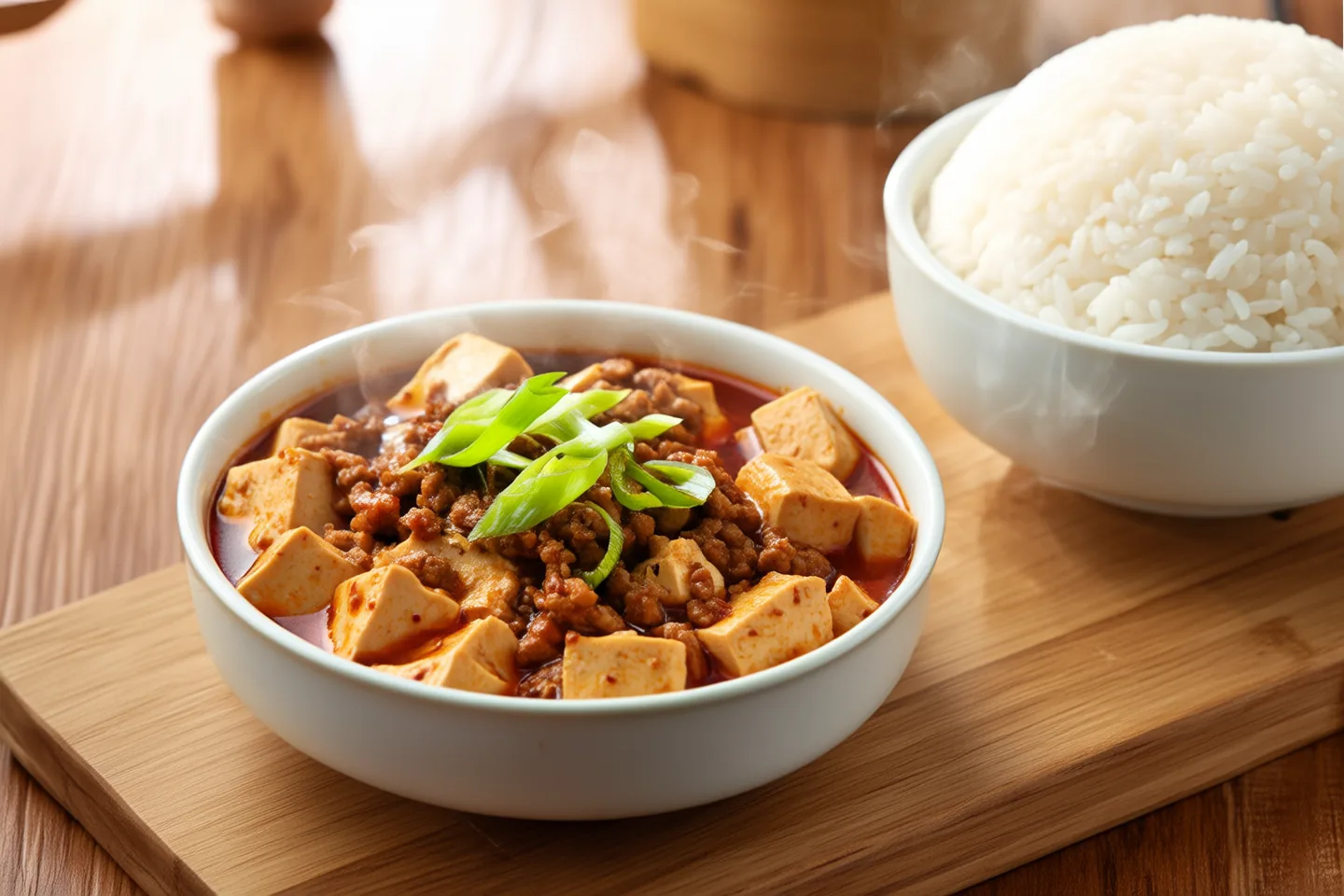
Mapo Tofu (麻婆豆腐)
麻婆豆腐 (Mapo Tofu (麻婆豆腐)) · má pó dòu fu

Yu Xiang Shredded Pork (鱼香肉丝)
鱼香肉丝 (Yu Xiang Shredded Pork (鱼香肉丝)) · yu xiang rou si

Eggplant & Green Bean Casserole (茄子豆角煲)
茄子豆角煲 (Eggplant & Green Bean Casserole (茄子豆角煲)) · qié zi dòu jiǎo bāo