
Cashew Chicken (腰果鸡丁)
腰果鸡丁 · yāo guǒ jī dīng
Cashew chicken is what happens when Cantonese stir-fry meets a can of nuts — a dish that appears at family dinners and banquet tables alike. The home version is beloved for one reason: it's almost impossible to overcook into misery. The velveted chicken stays silky, the cashews add a toasty crunch, and the sauce is a simple savory-sweet glaze that children and adults agree on.
Recipe author: HǎoWèi Test Kitchen
Home-cooking research team
Reviewed by HǎoWèi editorial team · Last updated 2026-08-29
Ingredients
- boneless chicken thighs, cut into 2 cm cubes鸡腿肉🛒 local400 g
- raw cashews生腰果🛒 local80 g
- English cucumber, diced (or carrot / zucchini)黄瓜丁🛒 local1/2 (about 120 g)
- carrot, diced胡萝卜丁🛒 local1/2 (about 60 g)
- garlic, minced蒜末🛒 local2 cloves
- ginger, minced姜末🛒 local1 tsp
- scallions, white part for the wok, green for garnish小葱🛒 local2 stalks
- light soy sauce生抽🏮 asian1.5 tbsp
- Shaoxing wine料酒🏮 asian1 tbsp
- oyster sauce蚝油🏮 asian1 tbsp
- white pepper白胡椒粉🛒 local1/4 tsp
- cornstarch (for velveting + slurry)玉米淀粉🛒 local2 tbsp total
- neutral oil食用油🛒 local2 tbsp
boneless chicken thighs, cut into 2 cm cubes: Thighs stay juicy; breast works if velveted properly.
raw cashews: Raw, unsalted — you control the salt. Roasted work too, add at the very end.
English cucumber, diced (or carrot / zucchini): Classic is cucumber + carrot for color; use whatever is crisp.
🌶️ Adjust to your taste
Pick a level and we'll show exactly how much to change — no more "适量".
Spice level
Saltiness
Oiliness
Make it vegetarian
Instructions
1Velvet the chicken: mix with 1 tbsp soy, Shaoxing, white pepper, and 1 tbsp cornstarch. Rest 10 minutes.
鸡丁上浆
🔍 Look for 静置 10 分钟 · 10 minutes restVisual: 鸡丁裹上一层薄而均匀的淀粉膜Chicken is coated in a thin, even starchy film
You know it's right when: 裹层有黏感,不干也不结块Coating feels tacky, not dry or clumpy
Velveting is what keeps the chicken silky — see the term card.
2In a small bowl mix the sauce: remaining 1/2 tbsp soy, oyster sauce, 1/2 cup water (125 ml), and 1 tbsp cornstarch.
调好碗汁
🔍 Look forVisual: 酱汁是顺滑均匀的棕色液体,没有结块Sauce is a smooth, uniform brown liquid, no lumps
You know it's right when: 淀粉完全化开——不行就晃一晃Cornstarch fully dissolved — shake if needed
3Heat 1 tbsp oil in a wok over medium. Toast cashews until golden and fragrant, about 2 minutes. Remove immediately.
炒香腰果
🔍 Look for Medium heat 2 分钟 · 2 minutesVisual: 腰果变成浅金色,散发出坚果香Cashews turn pale golden and release a nutty aroma
You know it's right when: 部分腰果出现淡金色斑点——离火后还会继续熟,现在就要捞出A few cashews show faint golden spots — they keep cooking off-heat, so pull them now
Cashews burn in seconds after they start coloring. When in doubt, take them out early.
4Add remaining 1 tbsp oil to the wok, raise to high heat. Stir-fry the chicken in one layer until the exterior turns opaque and lightly golden, about 2-3 minutes.
大火炒鸡丁
🔍 Look for High heat 2-3 分钟 · 2-3 minutesVisual: 鸡丁从粉色变成淡金色,带一层薄壳Chicken turns from pink to pale golden with a light crust
You know it's right when: 看不到粉色,边缘刚开始上色No pink remains; edges just starting to brown
High heat is the point — you want sear, not steam. Crowding the pan steams it.
5Add garlic, ginger, and scallion whites. Stir 30 seconds until fragrant. Add cucumber and carrot, stir-fry 1 minute.
爆香下蔬菜
🔍 Look for High heat 1 分钟 · 1 minuteVisual: 蔬菜变得油亮鲜艳,胡萝卜微微变软Vegetables turn glossy and bright, carrot slightly softened
You know it's right when: 黄瓜依然脆,但已热透Cucumber still crisp but warmed through
6Give the sauce bowl a stir (cornstarch settles!), pour it in. Toss quickly — the sauce should turn glossy and coat everything within 30 seconds.
倒碗汁快速翻炒
🔍 Look for 30 秒 · 30 secondsVisual: 酱汁从浑浊变油亮,挂在鸡丁和蔬菜上Sauce turns from cloudy to glossy and clings to chicken and veggies
You know it's right when: 酱汁能挂勺背——浓稠度刚好Sauce coats the back of a spoon — thick enough
7Off heat, fold in the toasted cashews and scallion greens. Serve immediately — cashews stay crunchiest this way.
拌入腰果
🔍 Look forVisual: 油亮的金黄鸡丁、彩色蔬菜、表面脆腰果Glossy golden chicken, colorful veg, crunchy cashews on top
You know it's right when: 趁腰果还没软立刻吃Serve hot before the cashews soften
Tips
- · Raw cashews toast fast — pull them out the moment they smell nutty.
- · Always re-stir the sauce right before pouring; cornstarch sinks like a rock.
- · For extra crunch, add a handful of water chestnuts or celery at the veggie step.
- · This dish scales beautifully to a party: double everything, keep the high heat.
Sources & references
Quantities, technique notes, and substitution ratios are cross-checked against established Chinese cookery references and standard food-science sources.
- Read our editorial policy
- Fuchsia Dunlop, Land of Plenty: A Treasury of Authentic Sichuan Cooking
- USDA FoodData Central — ingredient nutrition and portion data
- Traditional Chinese family-kitchen practice and regional taste records
Common questions
Is there a vegan substitute for oyster sauce?
Yes — 'mushroom oyster sauce' (often labeled vegetarian/vegan) is sold in most Asian grocers and increasingly in mainstream supermarkets. It behaves 1:1 and adds the same glossy umami. Watch labels if you're also gluten-free; most brands are GF, some aren't.
Source: HǎoWèi substitution engine
Can I skip Shaoxing wine? What's the substitute?
Dry sherry is the closest 1:1 swap (fidelity ~80%). No sherry? Use a splash of white wine plus a little water, or just skip it and add a tiny extra pinch of sugar — the wine's job is depth and removing meat's gamey notes, and a good marinade covers most of it.
Source: HǎoWèi substitution engine
Why do you cook the aromatics (garlic/ginger) first on low heat?
Aromatics contain oils and sugars that turn bitter if scorched. Gentle heat (low-medium) lets garlic and ginger release their fragrance without browning too fast. If the pan is too hot, garlic goes bitter within seconds — that's why we always add aromatics first, before the main ingredients.
Source: Chinese Cooking Demystified technique library
Ingredient swaps
Can't find an Asian-market staple? Use these.
Swap: light soy sauce
→ regular soy sauce
Ratio: 1:1 · Slightly saltier — dial salt back by a pinch.
Swap: Shaoxing wine
→ dry sherry or mirin (less sweet)
Ratio: 1:1 · Both add the same warm fermented depth.
Swap: oyster sauce
→ hoisin + ½ tsp fish sauce (or soy)
Ratio: 1:1 · Sweeter and thicker; thin with a little water.
Don't make these mistakes
The traps every home cook hits — and how to avoid them.
✗ Crowding the pan — ingredients steam instead of sear.
✓ Fix: Cook in batches; give each piece room to brown.
✗ Adding sauce too early — the wok cools and flavors dull.
✓ Fix: Push food up the wok wall, add sauce to the hot center, toss fast.
Ways to change it up
One dish, three moods.
- Use chicken thighs instead of breast — juicier, more forgiving
- Double the sauce for a rice-bowl version
- Add cashews or peanuts for crunch at the end
🥢 Ask HǎoWèi
Questions about technique, ingredients, substitutions, and flavor — answered from our verified cooking knowledge base.
What to serve with it
A complete Chinese dinner in one plan — pick one from each role.
What cooks say
Made this? Leave a note.
- No comments yet — be the first!
Cook next
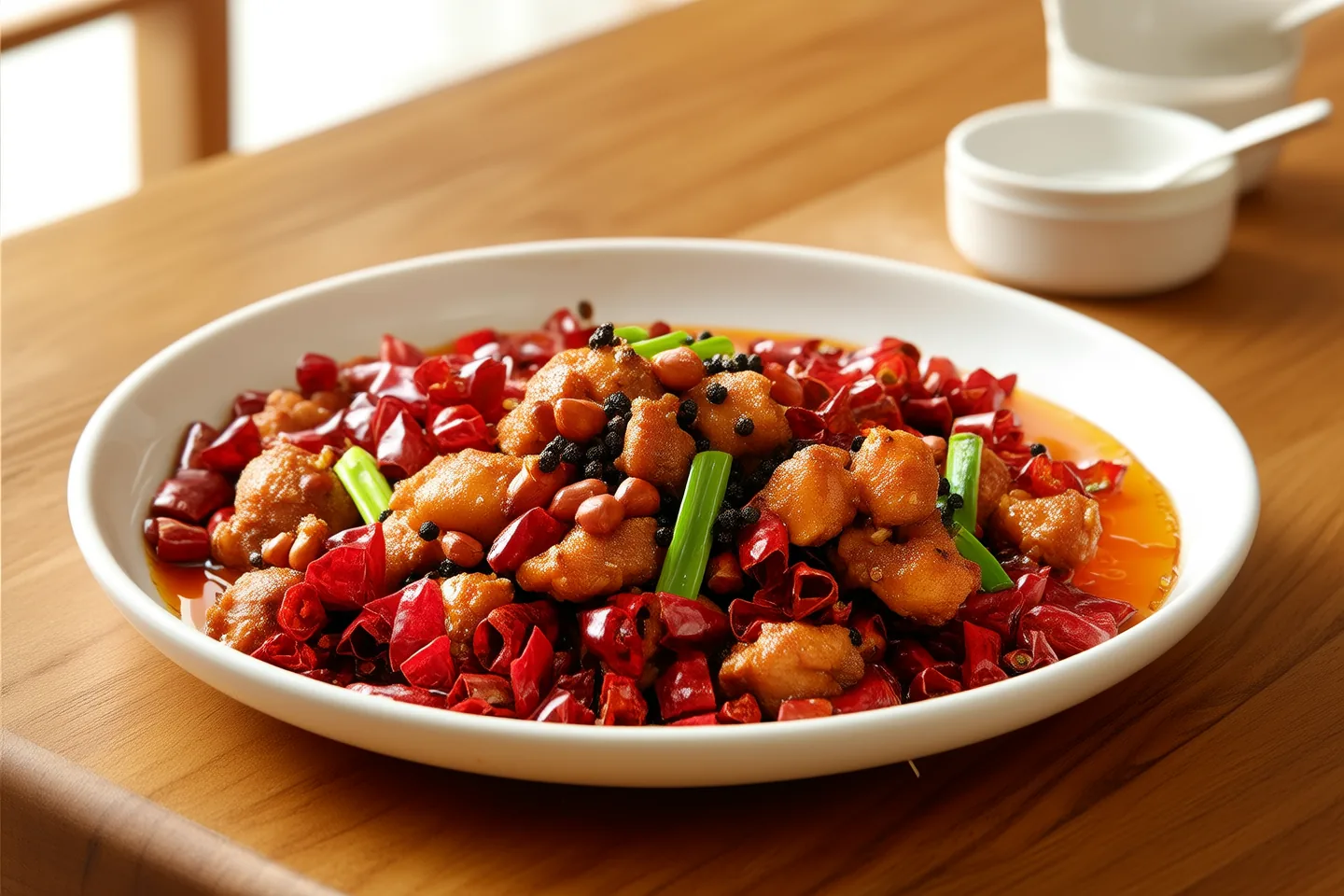
Kung Pao Chicken (宫保鸡丁)
宫保鸡丁 (Kung Pao Chicken (宫保鸡丁)) · gōng bǎo jī dīng
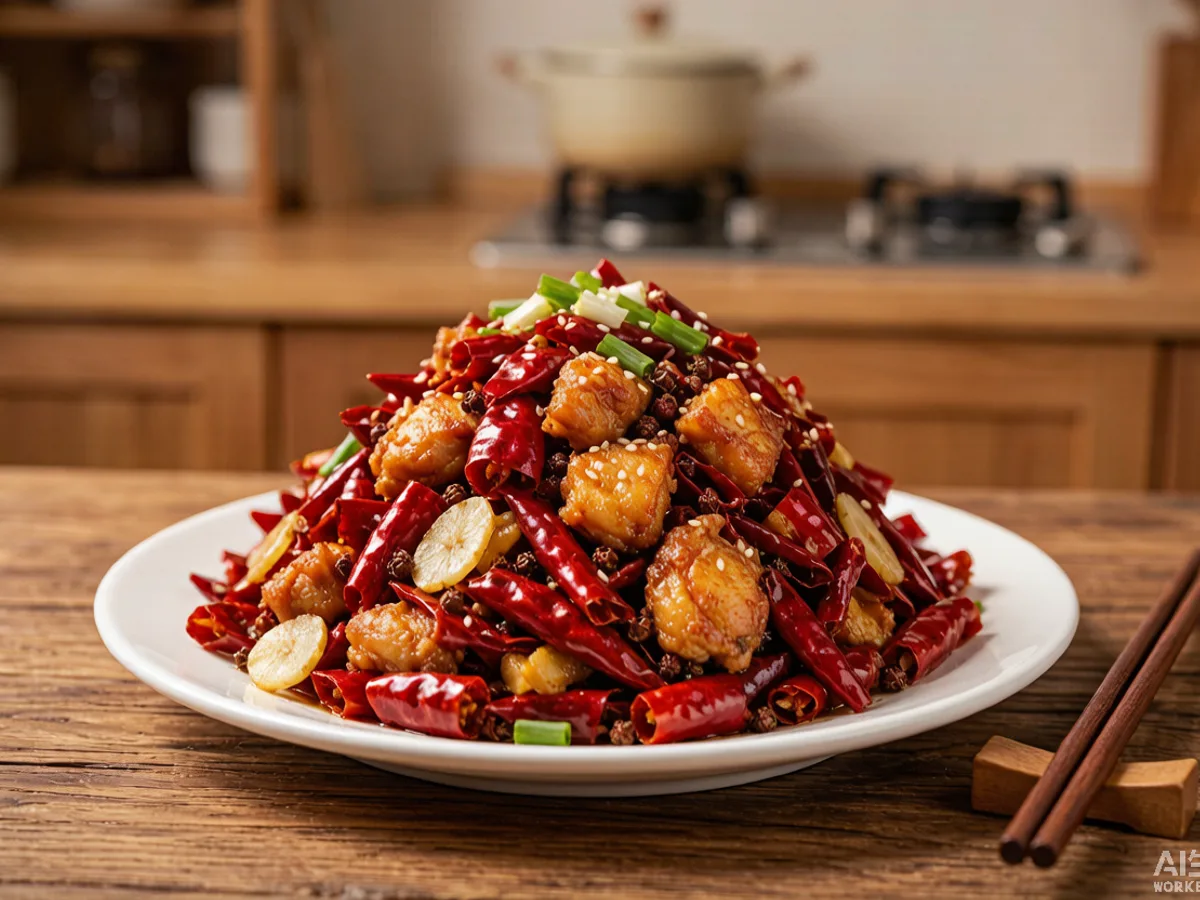
Lazi Diced Chicken (辣子鸡丁)
辣子鸡丁 (Lazi Diced Chicken (辣子鸡丁)) · là zǐ jī dīng
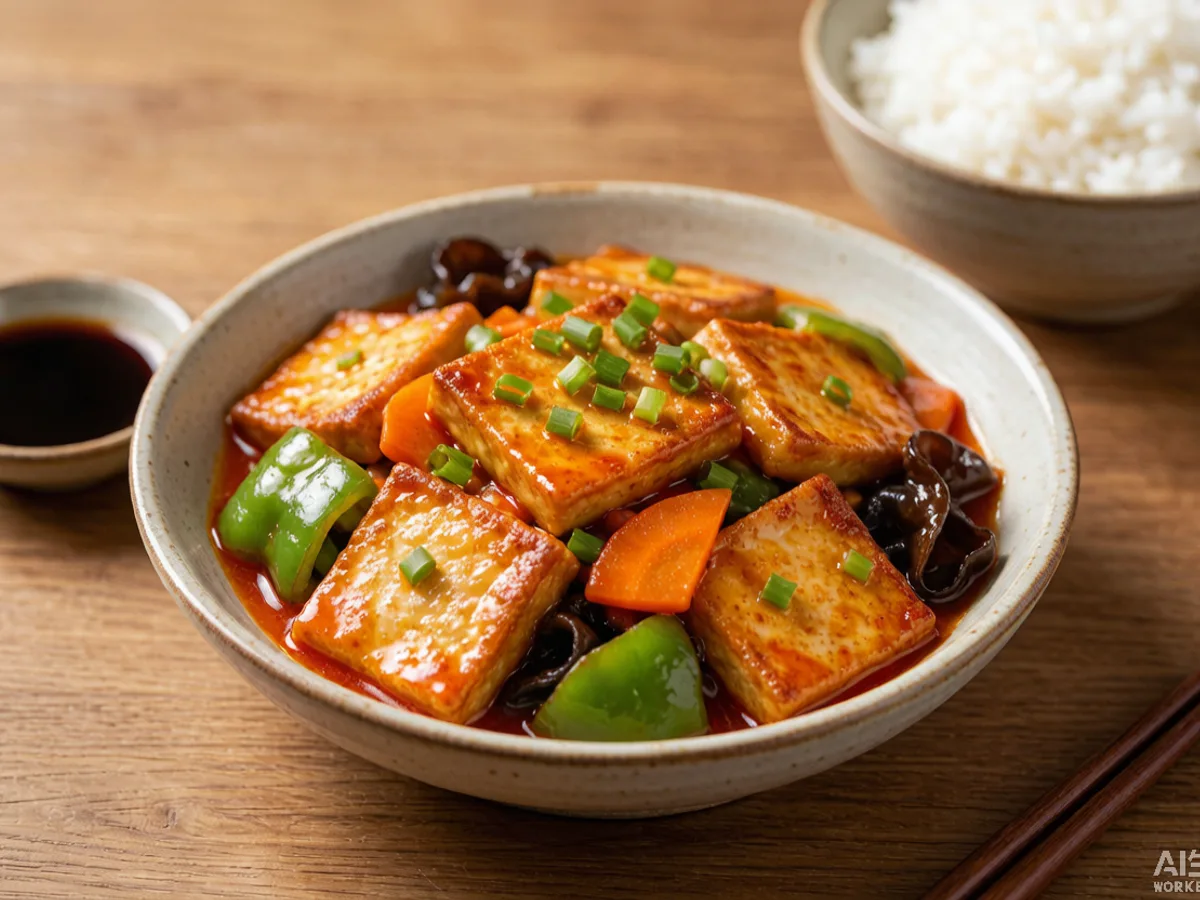
Home-style Tofu (家常豆腐)
家常豆腐 (Home-style Tofu (家常豆腐)) · jiā cháng dòu fu