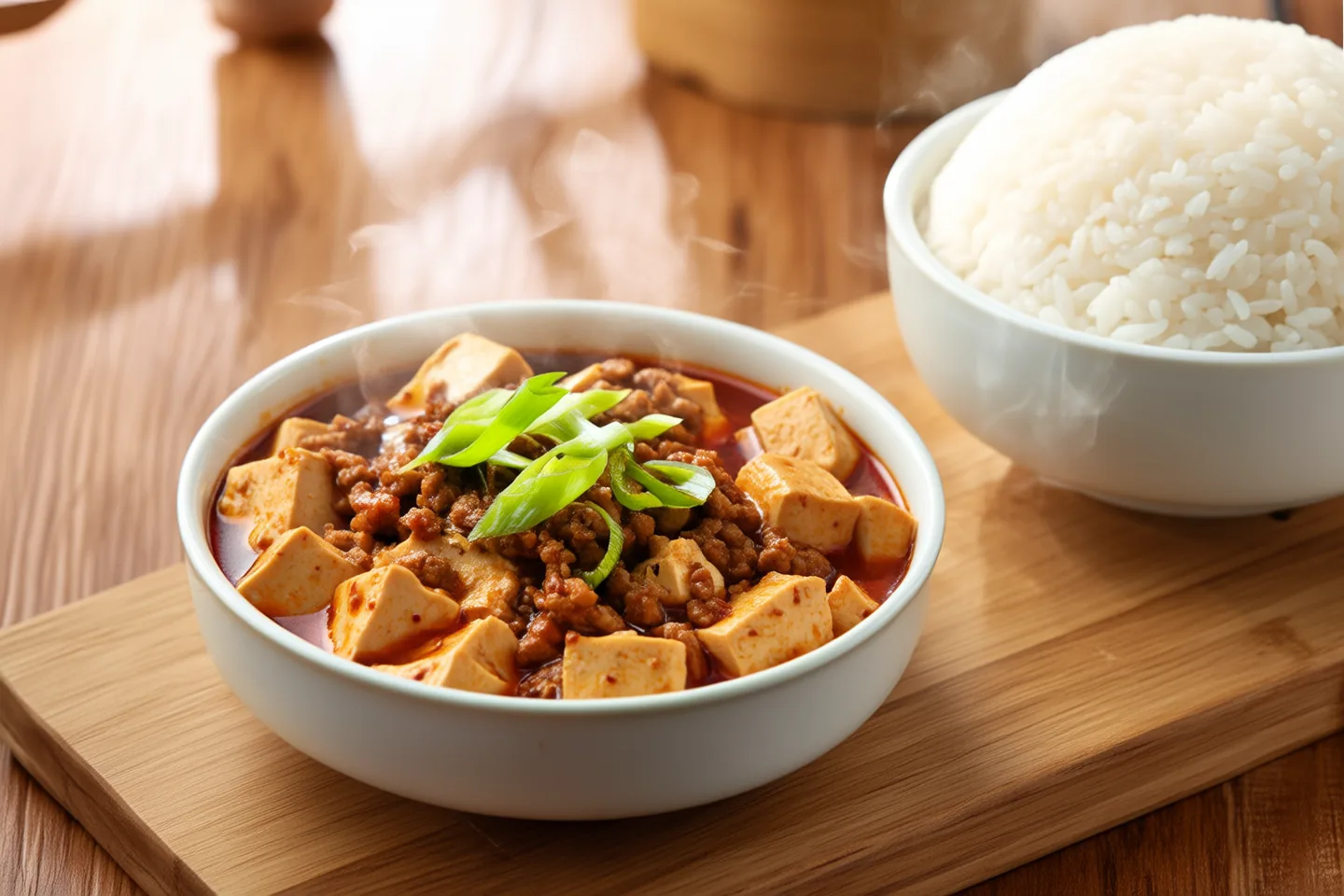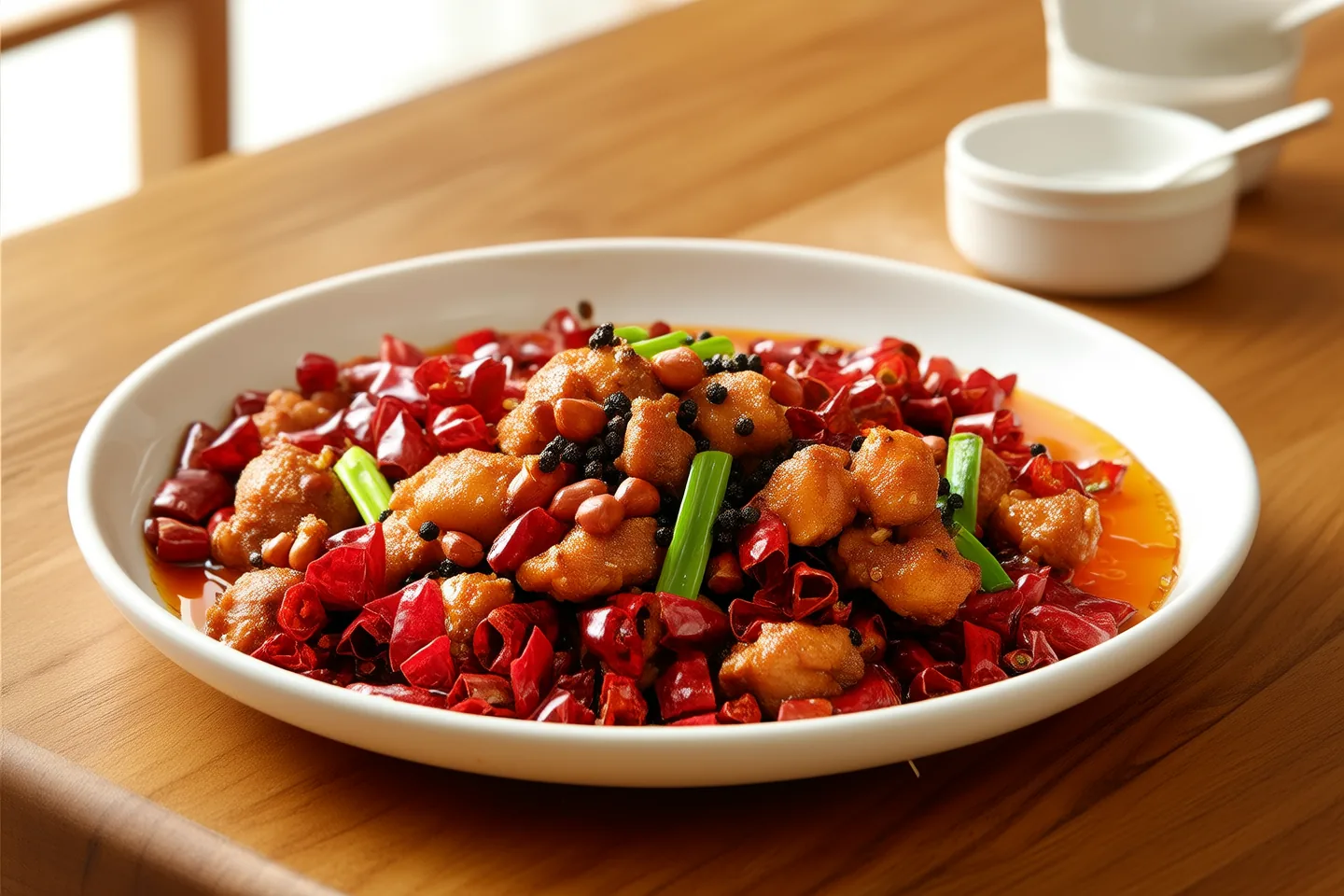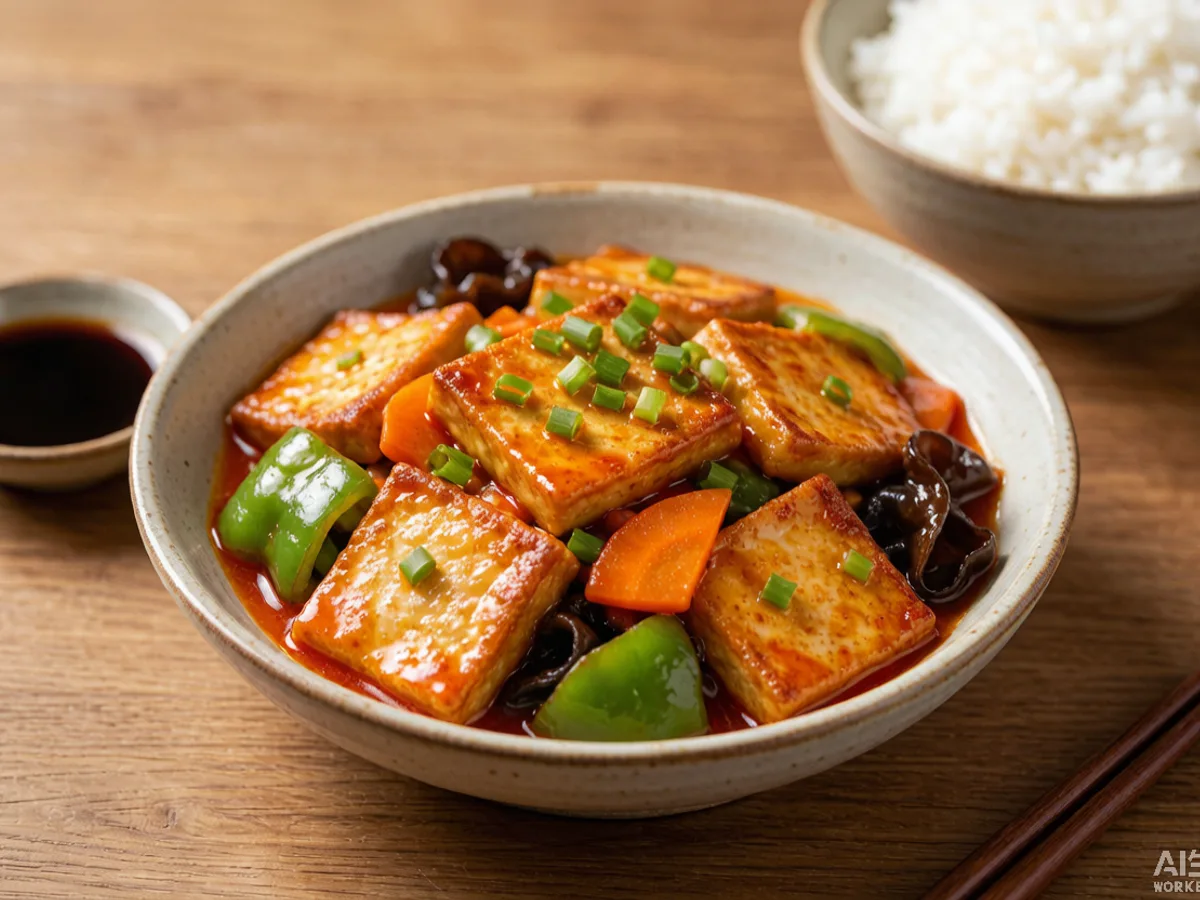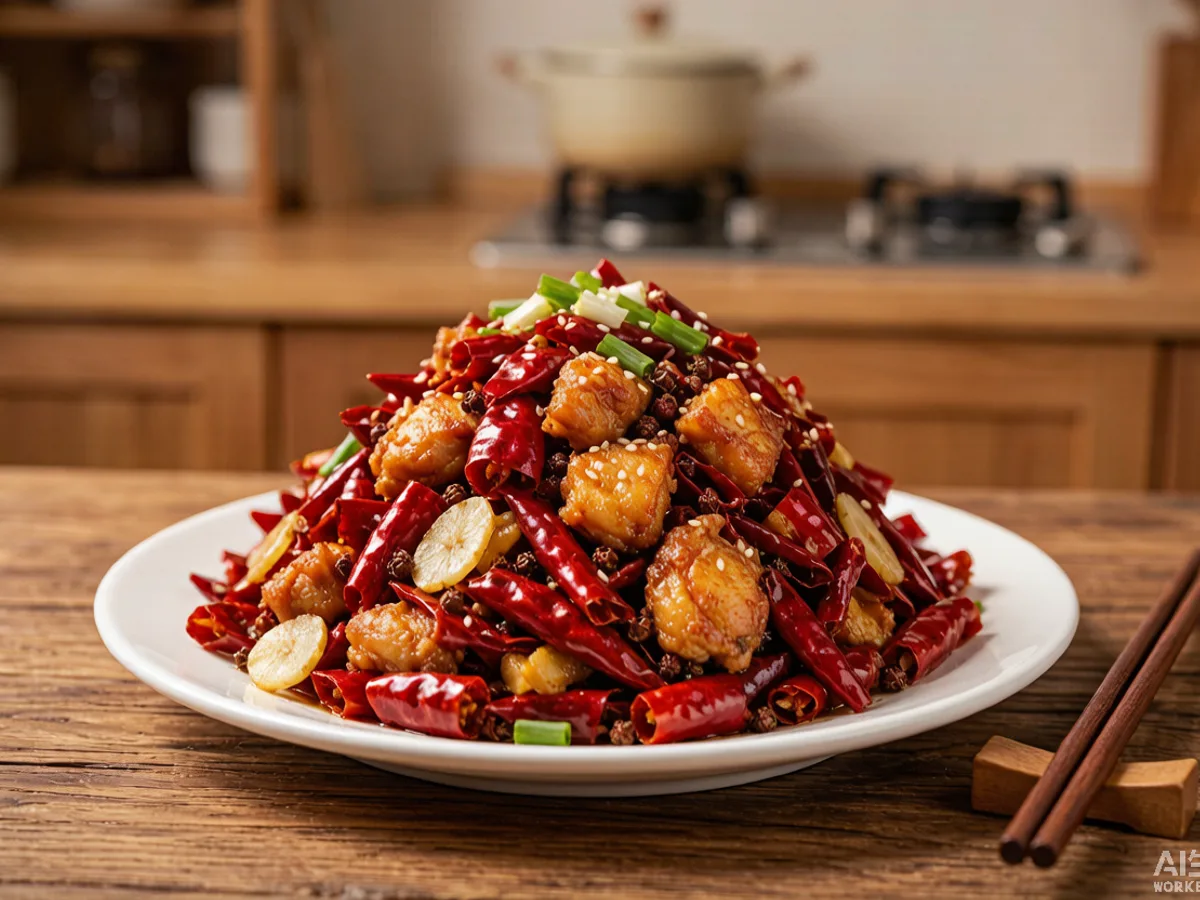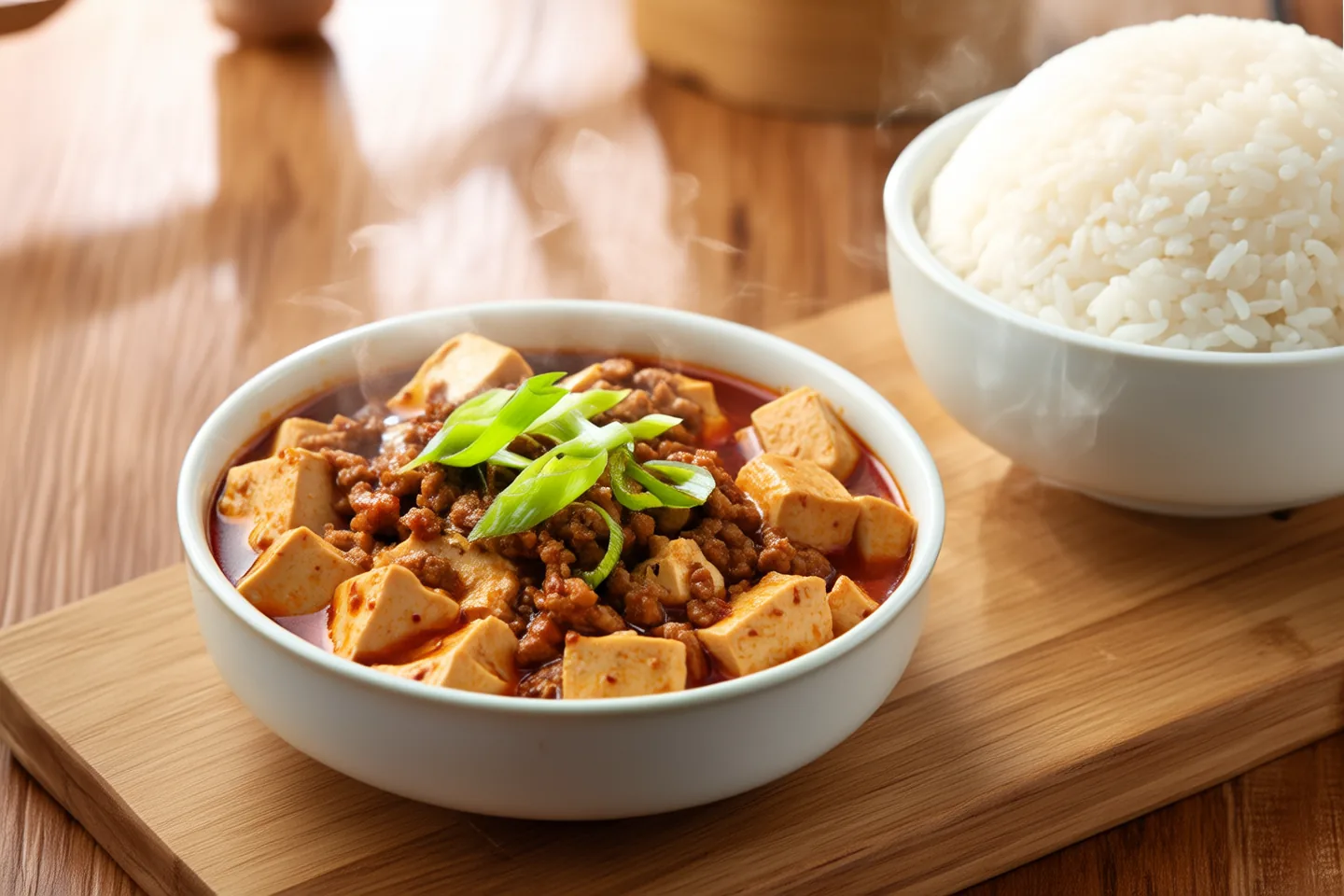
If you cook one Sichuan dish and it tastes flat, the missing piece is almost always doubanjiang. This fermented chili bean paste is the backbone of the region's flavor, the thing that gives mapo tofu its deep red character and kung pao its savory edge. Get to know this one ingredient and a whole shelf of Chinese cooking opens up.
What doubanjiang actually is
Doubanjiang (豆瓣酱) starts with fava beans, chili, salt, and time. The beans and chilies are left to ferment, often for months, until the sharp raw edges soften into something round, funky, and a little sweet. The result is salty, deeply savory, and gently spicy, with an aroma you won't get from any powder or sauce.
It's not a finishing sauce you drizzle on at the end. It's a cooking base, fried in oil at the start so its flavor blooms into the whole dish. That's why so many Sichuan recipes open with the same move: heat oil, add doubanjiang, stir until the oil turns red.
The two kinds you'll meet
- Sichuan chili bean paste (郫县豆瓣酱, pixian doubanjiang): the real deal. Aged, chunky, brick-red, salty and funky. This is the one for mapo tofu, twice-cooked pork, and fish-fragrant anything.
- Sweet bean paste / tianmianjiang (甜面酱): a different product entirely, made from flour, not chili. Thick, dark, sweet-savory. Used in Peking duck sauces and some stir-fries. Don't confuse the two.
How to pick a good jar
Most supermarkets stock a few brands, and they are not equal. A few things I look for:
- Origin: a jar from Pixian (郫县) is the safe bet. The region has protected status for a reason.
- Texture: you want visible bean chunks, not a smooth puree. Chunks mean it was fermented, not just blended.
- Color: a mature paste is a deep, uneven reddish-brown, not bright orange.
- Salt: taste before you season. A good doubanjiang is salty enough that you often skip extra salt later.
Avoid the super-cheap bright-red squeeze bottles if you can. They tend to be sugar and coloring with little fermentation behind them. Spend a little more on a glass jar from an Asian store and the difference is obvious the first time you fry it.
How to cook with it (a little goes far)
The basic technique never changes. Warm your oil over medium heat, add a spoonful of doubanjiang, and stir it around for thirty seconds to a minute. You're looking for the oil to pick up a red hue and the kitchen to smell toasty. Then add garlic, ginger, and the rest of your ingredients.
- Start with oil, not a dry pan, so the paste fries instead of burns.
- Use about one tablespoon per two servings as a baseline, then adjust.
- Fry it before adding liquid, so the raw ferment cooks off.
- Taste at the end; you may need less salt than the recipe implies.
Storing it
Once open, keep the jar in the fridge with the lid on tight. A thin layer of oil on top helps. It won't spoil quickly, but the aroma fades after a few months, so buy a size you'll actually finish. If you only cook Sichuan now and then, a small jar beats a giant one you forget in the back.
That's really the whole intro. Nail this one paste and mapo tofu, kung pao, and twice-cooked pork stop being mysterious. Every HǎoWèi recipe that calls for doubanjiang lists the exact amount, so you can follow along without guessing.