Most chinese takeout copycat recipes fail for the same reason. They copy the ingredient list and leave out the heat. A restaurant burner pushes three to five times the output of a home hob, and that difference decides whether beef comes out seared or grey and steamed. These ten chinese takeout copycat recipes are ordered by how much of that gap you have to close, and the short version is that most of them do not need a bigger stove. They need a hotter pan, a drier surface, and a sauce mixed before you start cooking.
Why restaurant takeout tastes nothing like home versions
Three things separate the two kitchens, and only one of them is equipment.
- Heat output. A commercial wok burner runs far hotter than a domestic hob, and it recovers temperature the moment cold food hits it. Your pan drops and does not come back.
- Batch size. Restaurants cook one portion at a time in a wide pan. Home cooks double the recipe and crowd the pan, which drops the temperature further.
- Timing discipline. Sauces are pre-mixed, aromatics are pre-cut, and everything is within arm's reach before any heat is applied. There is no pause to open a jar.
None of these are hard to fix. Two of them are free.
Ten chinese takeout copycats, easiest first
Start at the top if this is your first attempt. The later entries demand either a properly hot pan or a confident hand with sugar.
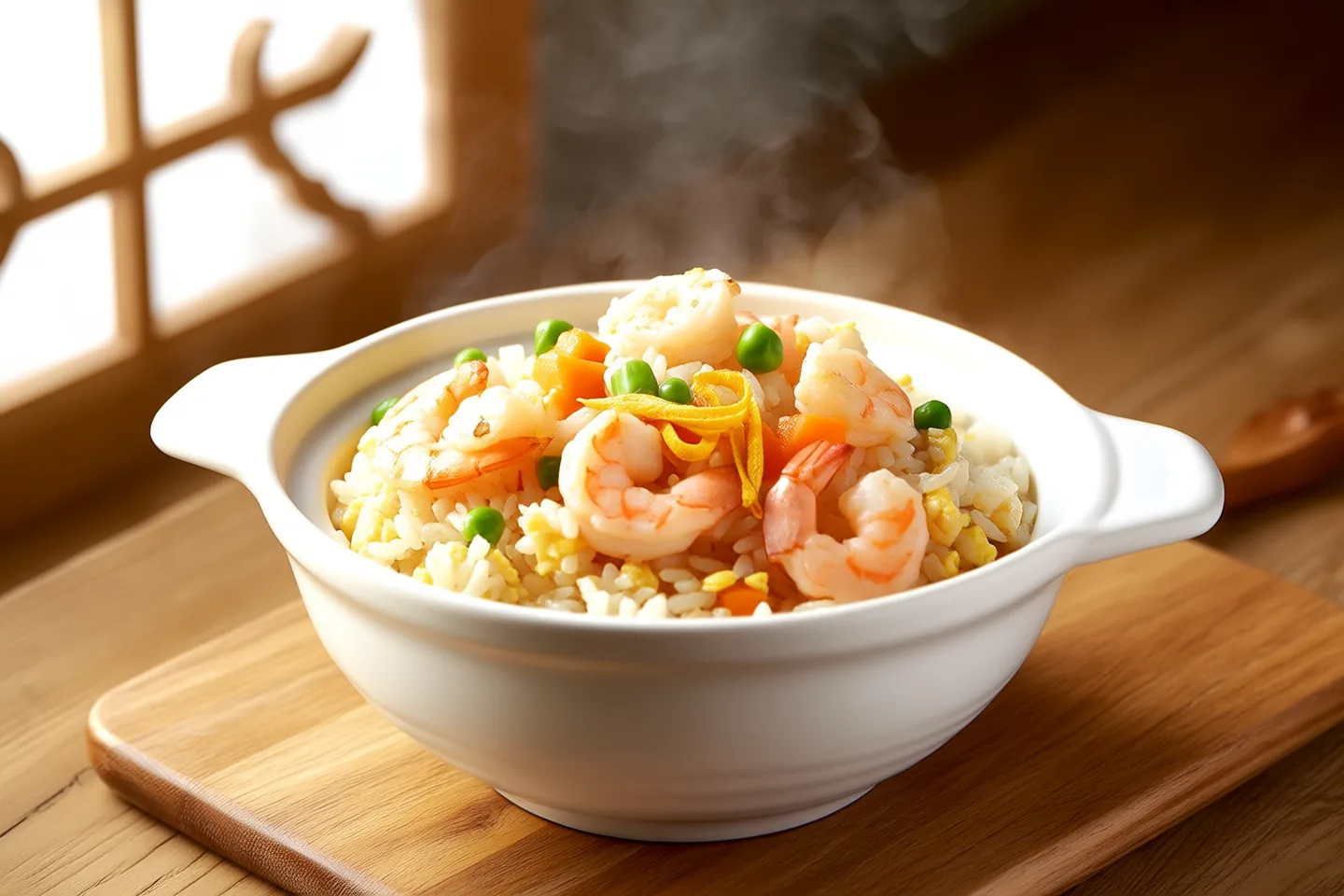
- Yangzhou fried rice (扬州炒饭) at /recipes/yangzhou-fried-rice. The most forgiving entry in the set, and the reason is cold rice. Day-old grains stay separate, so even a modest burner produces something that tastes right.
- Sweet and sour pork (糖醋里脊) at /recipes/sweet-sour-pork. Deep-fried in two passes and tossed in sauce at the last second. The business end is the twice-fry, not the batter.
- Cashew chicken (腰果鸡丁) at /recipes/cashew-chicken. Mild, quick, and built on the same velveting step as everything else here. A good dish to learn diced-chicken technique on.
- Yu xiang pork (鱼香肉丝) at /recipes/yu-xiang-pork. No seafood in it, despite the name. The sweet, sour and spicy sauce is the thing worth memorising.
- Kung Pao chicken (宫保鸡丁) at /recipes/kung-pao-chicken. Dried chilies go in first and briefly. Sixty seconds too long and the whole dish turns bitter.
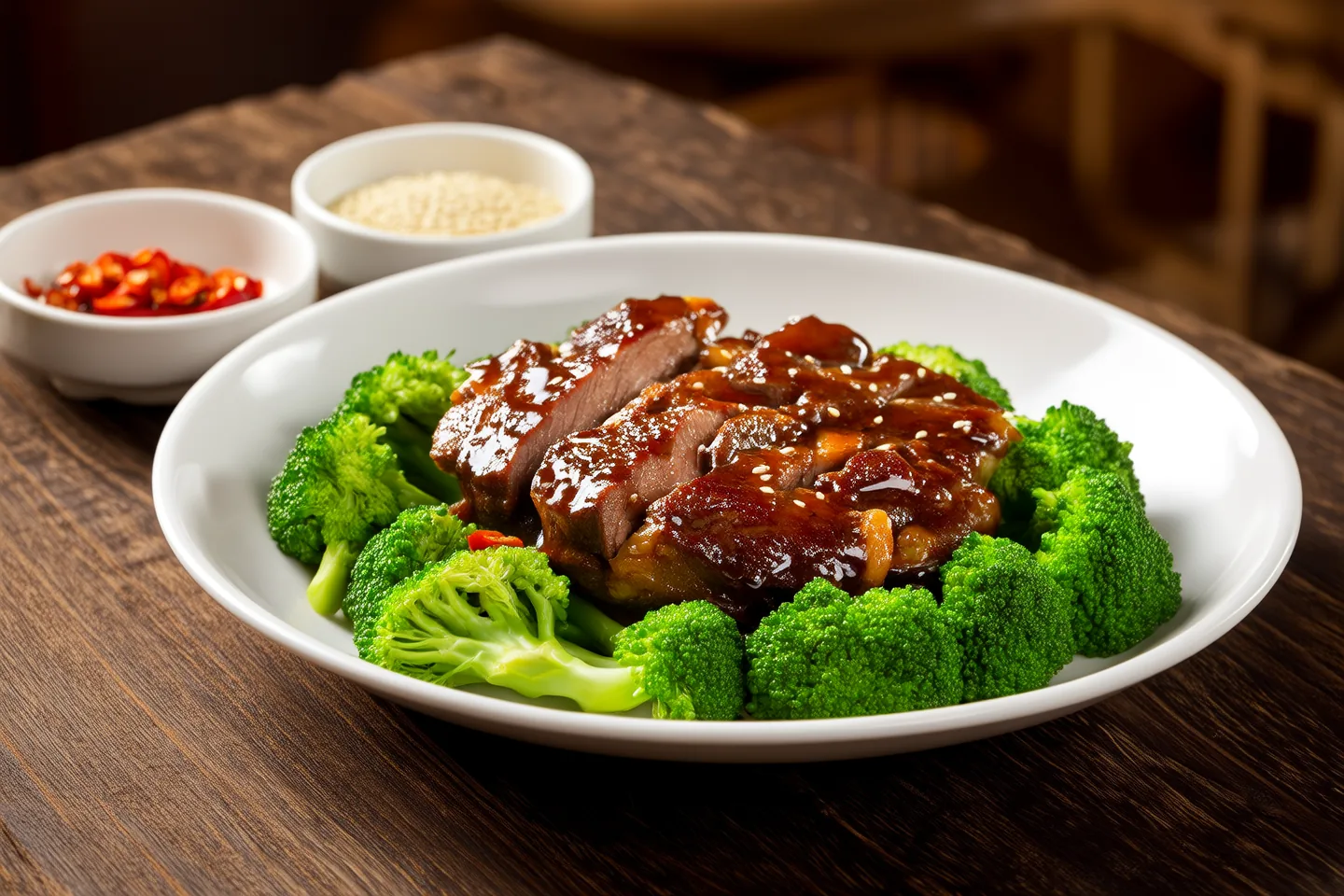
- Beef and broccoli (芥兰牛肉) at /recipes/beef-and-broccoli. Almost entirely a question of two things: velveted beef, and broccoli blanched separately rather than steamed in the pan.
- Twice cooked pork (回锅肉) at /recipes/twice-cooked-pork. Boil, chill, slice thin, then fry. The pork renders on the second pass, which is where the curl and the texture come from.
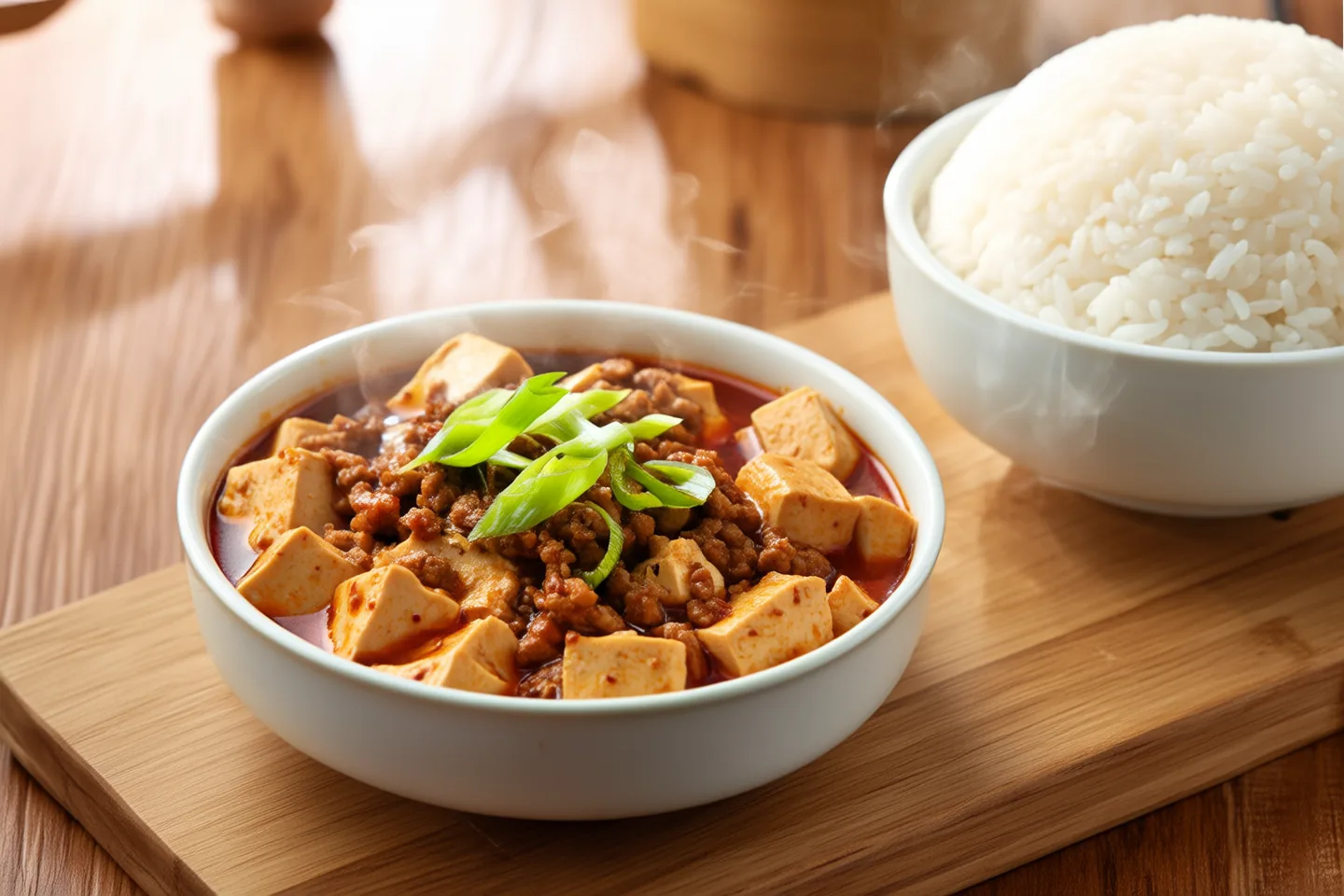
- Mapo tofu (麻婆豆腐) at /recipes/mapo-tofu. The only one here that actively benefits from simmering, so it suits a cook who is still building confidence with heat.
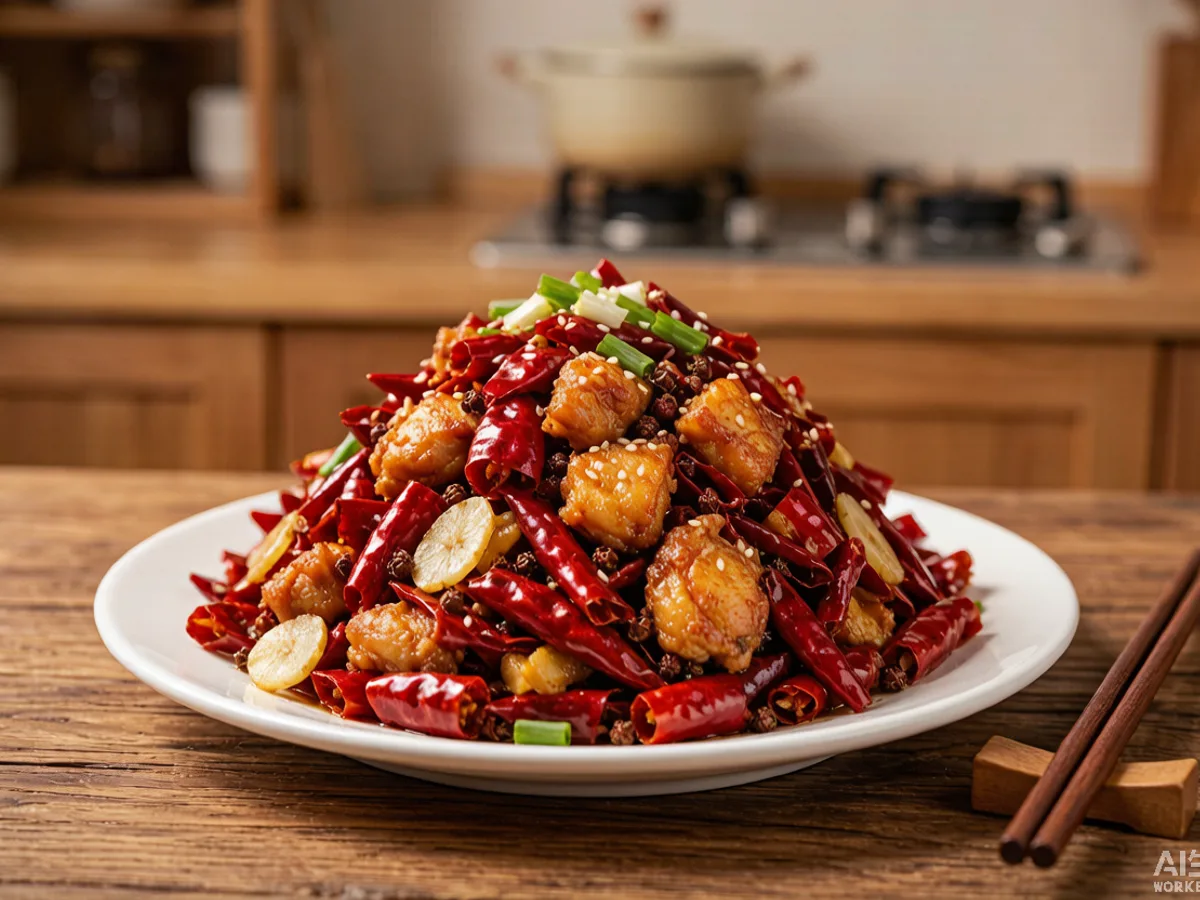
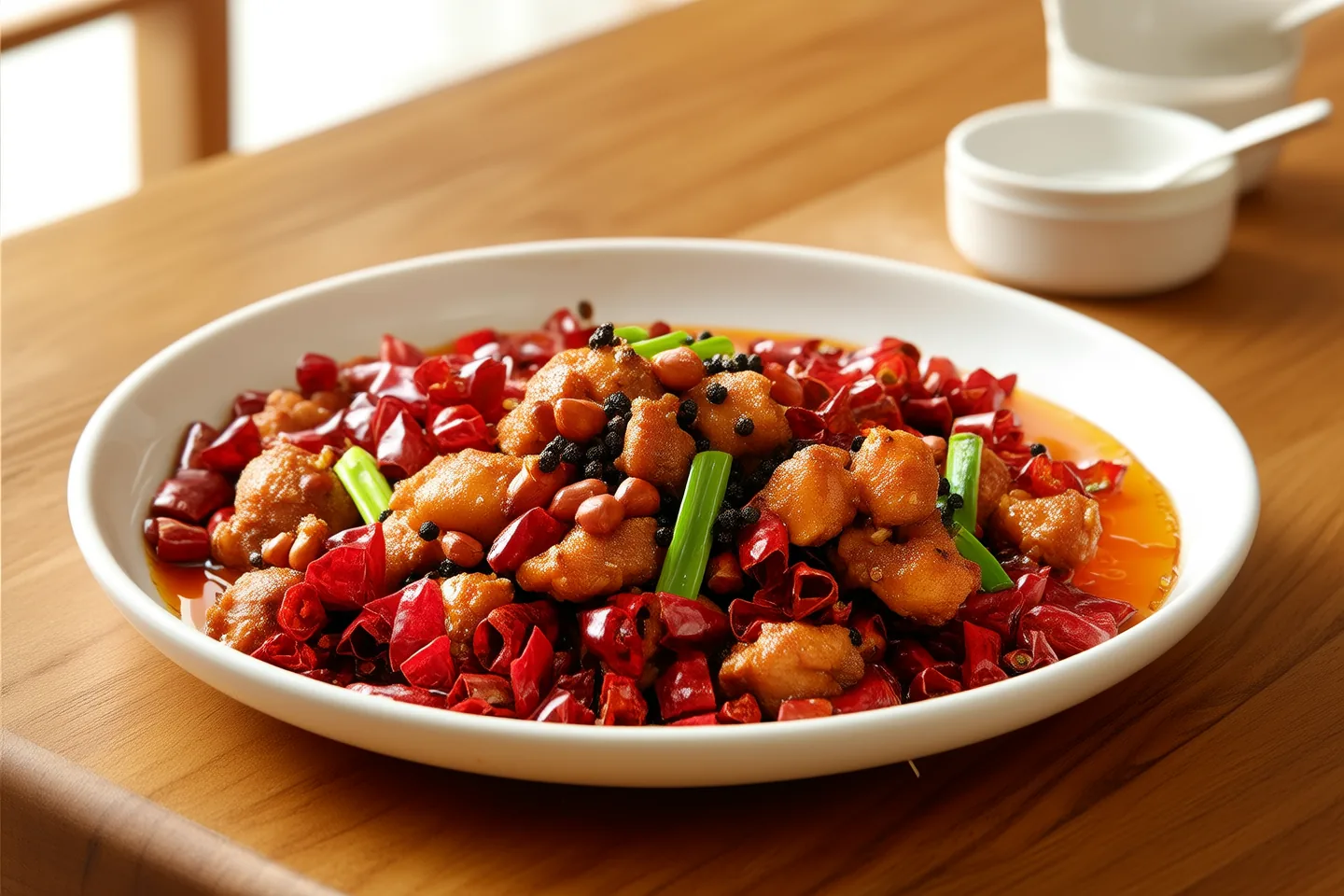
- Lazi chicken (辣子鸡丁) at /recipes/lazi-diced-chicken. Deep-fried chicken buried in dried chilies. Needs oil hot enough to set the crust immediately, or it goes greasy.
- Shui zhu beef (水煮牛肉) at /recipes/shui-zhu-beef. Poached beef finished with hot oil poured over chili and Sichuan pepper. The hardest to plate, and the one that impresses most.
The four habits that do most of the work
Everything above gets easier once these become routine. They are habits rather than techniques, and none take extra time.
- Dry the protein. Pat meat with paper towels until the surface is tacky, then leave it five minutes. Wet surfaces spend their first minute in the pan boiling instead of browning.
- Velvet it. Egg white, cornstarch and a little oil on sliced meat for fifteen minutes. This is the reason restaurant beef stays tender, and the step home recipes skip most often.
- Pre-mix the sauce. Sugar, soy, vinegar and cornstarch in a bowl before anything is heated. Cornstarch does not dissolve once it hits a hot pan.
- Cook in two batches instead of one doubled batch. Crowding is the single most common reason a stir-fry turns out grey.
Sauce formulas worth writing on a card
Four ratios cover most chinese takeaway recipes. Write them down, then adjust to taste.
- Kung Pao: two parts soy, two parts black vinegar, one part sugar, one part cornstarch slurry, plus chili and Sichuan pepper to taste.
- Sweet and sour: four parts vinegar to three parts sugar, one part soy, thickened with slurry and finished with ketchup for body.
- Yu xiang: equal parts soy, vinegar and sugar with a little doubanjiang, thinned with stock. Sweet, sour and savoury in roughly even measure.
- Garlic sauce: soy, a little sugar, plenty of minced garlic, thickened and finished with a spoon of chili oil.
Getting a takeout night down to twenty-five minutes
The reason restaurant cooking feels fast is that the cooking itself is three minutes and everything else happened earlier. Copy the order of operations and the clock problem disappears.
- Cook rice first and let it sit uncovered while you work, so the surface dries out.
- Cut everything before turning on any heat, and put aromatics in a small dish next to the hob.
- Mix the sauce and set it beside the pan with a spoon in it.
- Velvet the meat while the pan preheats, not before.
- Cook in batches, combine at the end, sauce last, serve immediately.
Start with /recipes/yangzhou-fried-rice tonight since it needs the least from your stove, then read /blog/marinating-meat-chinese-way for the velveting step that most of these depend on. Every dish above is on haoweirecipes.com with full timings and substitutions. More lists like this are at /blog, and the full recipe index is at /.