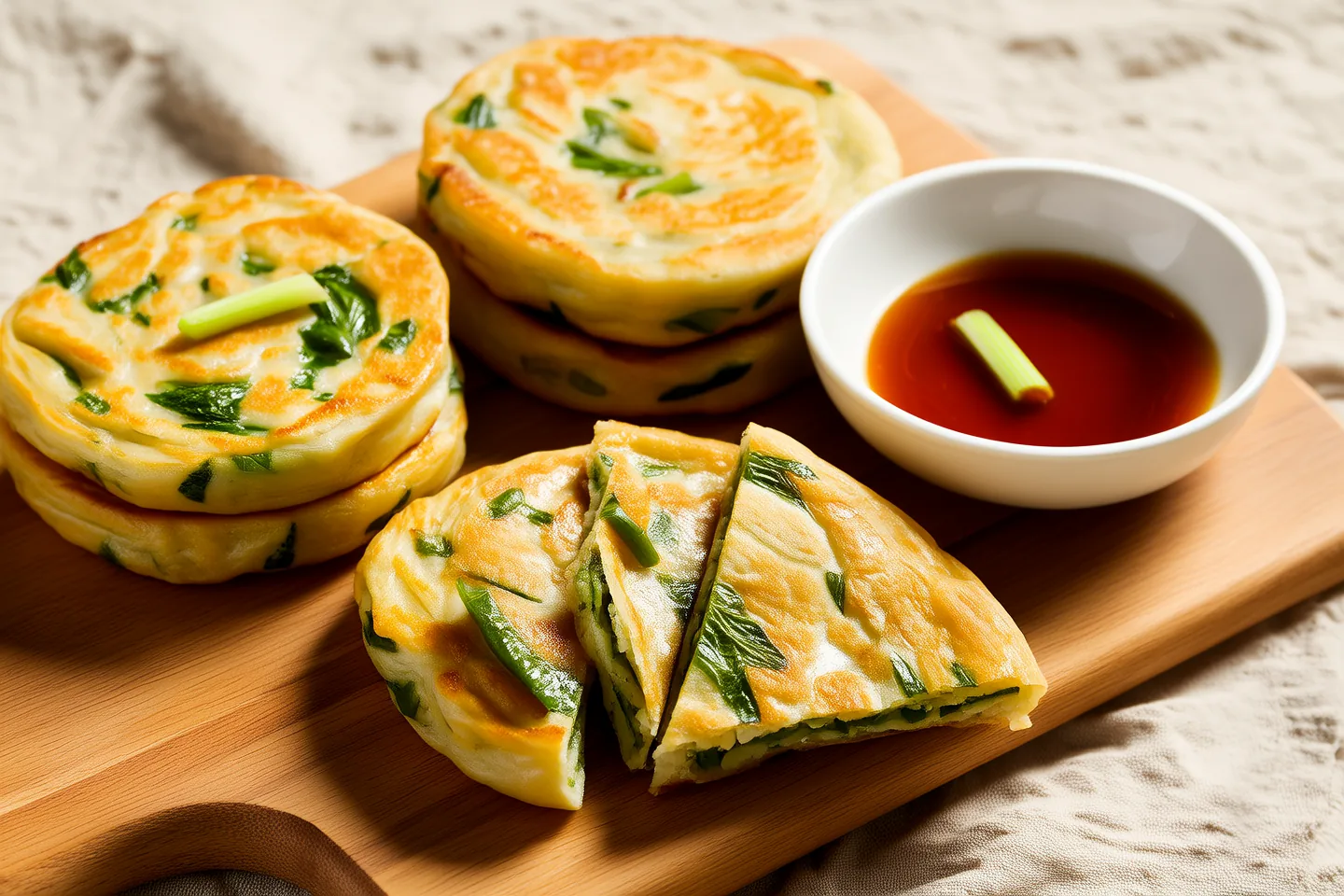
Crispy Chinese Potato Pancakes (土豆饼)
土豆饼 · tu dou bing
Potato pancakes are the northern Chinese answer to the hash brown. My grandmother made them on Sunday mornings with whatever potatoes were sprouting in the pantry — grated, squeezed, mixed with a handful of flour, and fried on a cast-iron pan until the kitchen smelled like toasted starch. They were never meant to be fancy; they were meant to be eaten standing up, straight from the pan.
Recipe author: HǎoWèi Test Kitchen
Home-cooking research team
Reviewed by HǎoWèi editorial team · Last updated 2026-08-29
Ingredients
- starchy potatoes (russet or maris piper)土豆(粉质)🛒 local400 g
- all-purpose flour中筋面粉🛒 local40 g
- egg鸡蛋🛒 local1 large
- scallion, finely sliced小葱(切细)🛒 local2 stalks
- salt盐🛒 local1/2 tsp
- white pepper白胡椒粉🛒 local1/4 tsp
- light soy sauce生抽🏮 asian1 tsp
- sesame oil香油🏮 asian1/2 tsp
- cooking oil, for pan-frying食用油(煎用)🛒 local3 tbsp
🌶️ Adjust to your taste
Pick a level and we'll show exactly how much to change — no more "适量".
Spice level
Saltiness
Oiliness
Make it vegetarian
Instructions
1Peel the potatoes and grate them on the coarse side of a box grater. Drop the shreds into a bowl of cold water and swish for 10 seconds to rinse off surface starch.
🔍 Look for 10 secVisual: water turns cloudy white
You know it's right when: starch released
2Drain well, then wrap the shreds in a clean kitchen towel and squeeze hard. This is the single most important step — wet potato means a pancake that falls apart.
🔍 Look for 1-2 minVisual: shreds feel damp but not dripping
You know it's right when: no water drips when squeezed
3Return the shreds to a dry bowl. Add flour, egg, scallion, salt, white pepper, light soy sauce and sesame oil. Toss with your hands until every shred is coated.
🔍 Look for 1 minVisual: mixture holds together when pressed
You know it's right when: batter clumps in fist
4Heat 2 tbsp oil in a non-stick skillet over medium-low heat. Scoop half the mixture in, press flat with a spatula to about 1 cm thick, and cook undisturbed for 4 minutes.
🔍 Look for Medium-low 4 minVisual: edges turning golden and lacy
You know it's right when: gentle even sizzle
5Slide the pancake onto a plate, cover with a second plate and flip. Add the remaining 1 tbsp oil and slide it back in to brown the other side for 3-4 minutes.
🔍 Look for Medium-low 3-4 minVisual: both sides deep golden with crisp edges
You know it's right when: pancake sounds hollow when tapped
6Repeat with the second half. Cut into wedges and serve hot, plain or dipped in a mix of light soy sauce and chinkiang vinegar.
🔍 Look forVisual: crisp surface, fluffy interior
You know it's right when: ready to serve
Tips
- · Use starchy potatoes (russet). Waxy potatoes hold too much water and turn gummy.
- · Squeezing the water out is not optional — it is the difference between a pancake and a pile of fried shreds.
- · Keep the heat at medium-low. High heat burns the outside before the centre sets.
- · Leftover pancakes reheat beautifully in a dry skillet; never microwave them or they go limp.
Sources & references
Quantities, technique notes, and substitution ratios are cross-checked against established Chinese cookery references and standard food-science sources.
- Read our editorial policy
- Fuchsia Dunlop, Land of Plenty: A Treasury of Authentic Sichuan Cooking
- USDA FoodData Central — ingredient nutrition and portion data
- Traditional Chinese family-kitchen practice and regional taste records
Common questions
Is there a vegan substitute for oyster sauce?
Yes — 'mushroom oyster sauce' (often labeled vegetarian/vegan) is sold in most Asian grocers and increasingly in mainstream supermarkets. It behaves 1:1 and adds the same glossy umami. Watch labels if you're also gluten-free; most brands are GF, some aren't.
Source: HǎoWèi substitution engine
Can I reduce the salt/soy in this recipe?
Yes — soy sauce is the main sodium source. Use light soy at 2/3 amount and finish with salt only to taste. Rinse canned/doubanjiang components if possible. Note: reducing soy also reduces color; a drop of dark soy or a pinch of sugar can restore depth without salt.
Source: HǎoWèi diet guide
What's the difference between light and dark soy sauce?
Light soy (生抽) is the everyday salty seasoning — thin and salty, used in most recipes. Dark soy (老抽) is thicker, darker, slightly sweet, and used mostly for color (braises, fried rice). If you only buy one, get light soy. For dark soy's color: 1 tbsp light soy + a pinch of sugar + a few drops of molasses.
Source: HǎoWèi pantry guide
🥢 Ask HǎoWèi
Questions about technique, ingredients, substitutions, and flavor — answered from our verified cooking knowledge base.
What to serve with it
A complete Chinese dinner in one plan — pick one from each role.
What cooks say
Made this? Leave a note.
- No comments yet — be the first!
Cook next

Spicy Sour Potato Shreds (酸辣土豆丝)
酸辣土豆丝 (Spicy Sour Potato Shreds (酸辣土豆丝)) · suān là tǔ dòu sī

Dry Pot Potato Slices
干锅土豆片 (Dry Pot Potato Slices) · gān guō tǔ dòu piān

Scallion Oil Noodles (葱油拌面)
葱油拌面 (Scallion Oil Noodles (葱油拌面)) · scallion noodles
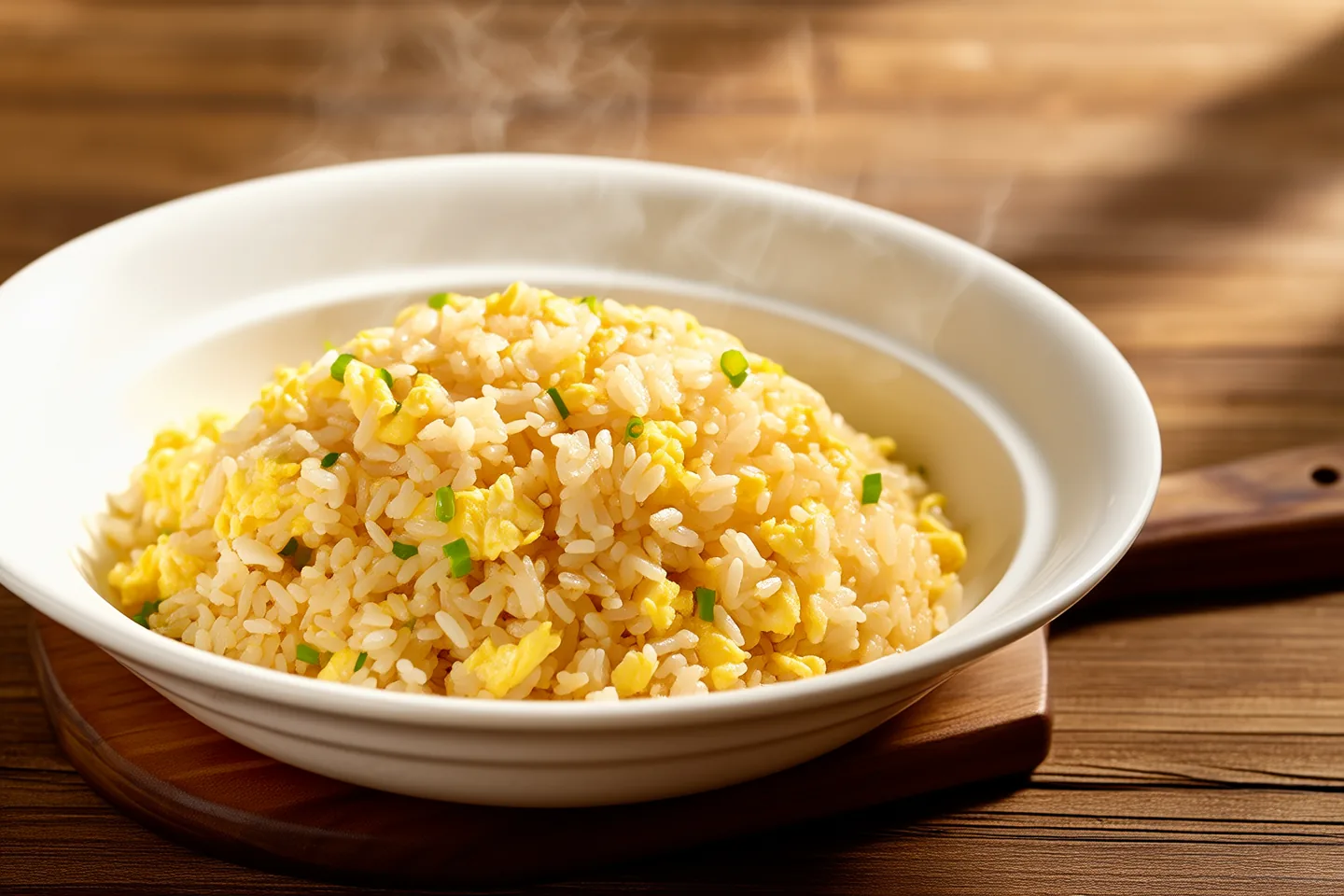
Egg Fried Rice (蛋炒饭)
蛋炒饭 (Egg Fried Rice (蛋炒饭)) · dàn chǎo fàn