
Scallion Oil Noodles (葱油拌面)
葱油拌面 · scallion noodles
Scallion oil noodles (葱油拌面) are a Shanghai street food icon — humble wheat noodles tossed in deeply caramelized scallion-infused oil with a touch of soy and sugar. The magic is in the scallion oil: slow-frying scallions until they are dark brown and crispy, infusing the oil with sweet allium flavor. This dish proves that Chinese comfort food doesn't need to be complicated to be deeply satisfying.
Recipe author: HǎoWèi Test Kitchen
Home-cooking research team
Reviewed by HǎoWèi editorial team · Last updated 2026-08-29
Ingredients
- wheat noodles (or ramen)小麦面(或拉面)🛒 local200 g
- scallions, cut into 3-inch sections大葱段,3 寸长🛒 local6 stalks
- neutral oil (canola or peanut)食用油(菜籽油或花生油)🛒 local4 tbsp
- light soy sauce生抽🏮 asian2 tbsp
- white sugar白糖🛒 local1 tsp
🌶️ Adjust to your taste
Pick a level and we'll show exactly how much to change — no more "适量".
Spice level
Saltiness
Oiliness
Make it vegetarian
Instructions
1Cook noodles in salted boiling water according to package directions. Drain and rinse briefly under cold water to stop cooking. Set aside.
🔍 Look forVisual: 面条软但仍有弹性Noodles are tender but still firm (al dente)
You know it's right when: 咬开无硬芯No hard center when bitten
2Heat neutral oil in a small saucepan over medium-low heat. Add scallion sections in a single layer.
🔍 Look for Medium-lowVisual: 油微微晃动,葱段开始轻嘶Oil shimmers, scallions begin to sizzle gently
You know it's right when: 油温约150度,葱嘶响但不冒烟Oil is at 150°C — scallions sizzle without smoking
3Slow-fry scallions, turning occasionally, for 8-10 minutes until deeply browned and crispy. The oil will turn amber-colored.
🔍 Look for Medium-low 8-10 分钟 · 8-10 minutesVisual: 葱从翠绿变深褐,油变琥珀色Scallions turn from bright green to dark brown, oil turns amber
You know it's right when: 葱深褐酥脆,不焦Scallions are dark brown and crisp, not burnt
4Remove scallions with a slotted spoon. Add soy sauce and sugar to the hot oil, stir 10 seconds until sugar dissolves.
🔍 Look forVisual: 酱汁冒泡与油融合成光泽棕液Sauce bubbles vigorously and mixes with oil into a glossy brown liquid
You know it's right when: 糖完全融化,酱汁光亮Sugar fully dissolved, sauce glossy
5Add cooked noodles to the sauce. Toss vigorously with chopsticks or tongs to coat every strand evenly.
🔍 Look forVisual: 面条均匀裹上深褐色光泽酱汁,无干燥斑块Noodles are evenly coated in dark glossy sauce, no dry patches
You know it's right when: 每根面条都裹上酱,酱汁挂面Every strand is coated, sauce clings to noodles
6Top with fried scallions. Serve immediately while hot.
🔍 Look forVisual: 光泽黑亮面条配深褐酥脆葱段Glossy dark noodles topped with dark crispy scallions
You know it's right when: 热气升腾,现在吃最佳Steam rising, best eaten now
Tips
- · The scallion oil is the star — do not rush the frying. Low and slow brings out the sweet allium flavor.
- · Use the darkest scallion sections (the white ends) for the best color and flavor.
- · This dish is naturally vegan and gluten-free if you use tamari instead of soy sauce.
- · The fried scallions can be made ahead and stored in the fridge for up to a week.
Sources & references
Quantities, technique notes, and substitution ratios are cross-checked against established Chinese cookery references and standard food-science sources.
- Read our editorial policy
- Fuchsia Dunlop, Land of Plenty: A Treasury of Authentic Sichuan Cooking
- USDA FoodData Central — ingredient nutrition and portion data
- Traditional Chinese family-kitchen practice and regional taste records
Common questions
Is there a vegan substitute for oyster sauce?
Yes — 'mushroom oyster sauce' (often labeled vegetarian/vegan) is sold in most Asian grocers and increasingly in mainstream supermarkets. It behaves 1:1 and adds the same glossy umami. Watch labels if you're also gluten-free; most brands are GF, some aren't.
Source: HǎoWèi substitution engine
What's the difference between light and dark soy sauce?
Light soy (生抽) is the everyday salty seasoning — thin and salty, used in most recipes. Dark soy (老抽) is thicker, darker, slightly sweet, and used mostly for color (braises, fried rice). If you only buy one, get light soy. For dark soy's color: 1 tbsp light soy + a pinch of sugar + a few drops of molasses.
Source: HǎoWèi pantry guide
How do I make this vegetarian/vegan?
Swap meat for tofu, mushrooms (dried shiitake for umami), or seitan. Replace oyster sauce with mushroom sauce, chicken stock with veg stock, and watch for fish sauce and shrimp in sauces. Doubanjiang is vegetarian but check brands. Most of our recipes include a 'make it veg' note in the tips.
Source: HǎoWèi diet guide
Ingredient swaps
Can't find an Asian-market staple? Use these.
Swap: light soy sauce
→ regular soy sauce
Ratio: 1:1 · Slightly saltier — dial salt back by a pinch.
Don't make these mistakes
The traps every home cook hits — and how to avoid them.
✗ Overcooking noodles — they turn mushy in the sauce.
✓ Fix: Cook 30-60s less than the package says; finish in the sauce.
Ways to change it up
One dish, three moods.
- Swap wheat noodles for rice noodles (gluten-free)
- Add a soft-fried egg on top
- Use cold noodles in summer with the same sauce
🥢 Ask HǎoWèi
Questions about technique, ingredients, substitutions, and flavor — answered from our verified cooking knowledge base.
What to serve with it
A complete Chinese dinner in one plan — pick one from each role.
What cooks say
Made this? Leave a note.
- No comments yet — be the first!
Cook next

Tomato Egg Noodles (番茄鸡蛋面)
番茄鸡蛋面 (Tomato Egg Noodles (番茄鸡蛋面)) · fan qie ji dan mian
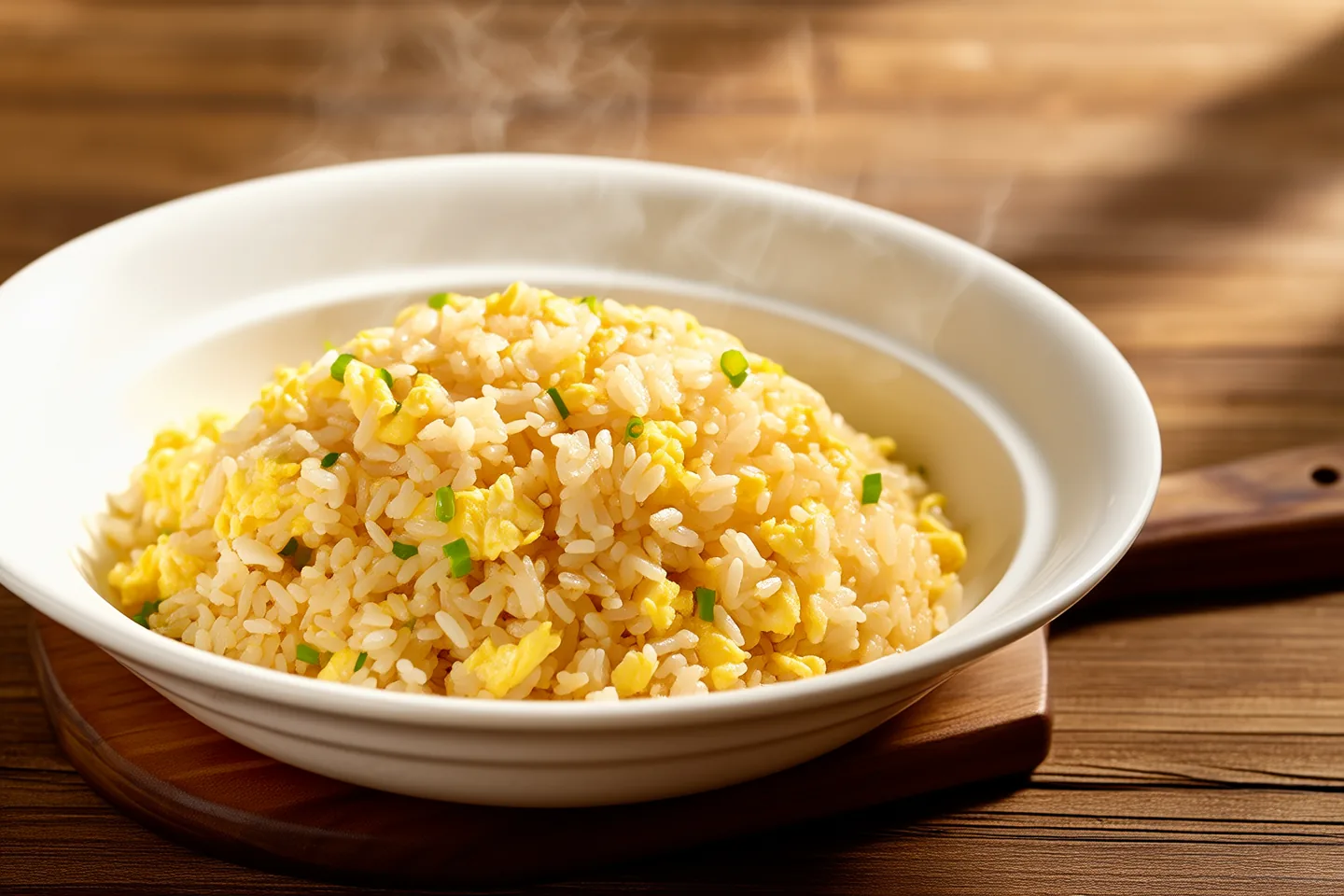
Egg Fried Rice (蛋炒饭)
蛋炒饭 (Egg Fried Rice (蛋炒饭)) · dàn chǎo fàn

Yangchun Noodles (阳春面)
阳春面 (Yangchun Noodles (阳春面)) · yáng chūn miàn