
Hakka Stuffed Eggplant (客家酿茄子)
客家酿茄子 · kè jiā niàng qié zi
Hakka 'niang' (酿) means 'to stuff' — a technique born from Hakka settlers who missed their northern dumplings but adopted local vegetables. Slice the eggplant, scoop a well, stuff with seasoned pork, then pan-fry and braise in soy-based broth. The result is silky eggplant that melts around a savory, springy filling.
Recipe author: HǎoWèi Test Kitchen
Home-cooking research team
Reviewed by HǎoWèi editorial team · Last updated 2026-08-29
Ingredients
- Chinese eggplant长条茄子🛒 local350 g
- ground pork (30% fat)猪肉末(肥瘦3:7)🛒 local200 g
- fresh ginger, minced生姜末🛒 local10 g
- scallions, finely chopped小葱末🛒 local2 stalks
- light soy sauce生抽🏮 asian2 tbsp
- oyster sauce蚝油🏮 asian1 tbsp
- sesame oil香油🏮 asian1 tsp
- white pepper白胡椒粉🏮 asian¼ tsp
- cornstarch玉米淀粉🛒 local1 tbsp
- vegetable oil食用油🛒 local3 tbsp
🌶️ Adjust to your taste
Pick a level and we'll show exactly how much to change — no more "适量".
Spice level
Saltiness
Oiliness
Make it vegetarian
Instructions
1Slice eggplants lengthwise into 1.5 cm thick planks. Use a spoon to scoop out the center, leaving a 1 cm border — you now have 'boats'. Sprinkle salt on the insides and set aside 10 min to draw out bitterness.
🔍 Look forVisual: 茄子边缘开始微微透明eggplant flesh begins to turn translucent at edges
You know it's right when: 盐分已析出多余水分——用厨房纸吸干salts have drawn out excess moisture — pat dry with paper towel
2Mix ground pork with ginger, half the scallions, soy sauce, oyster sauce, sesame oil, white pepper, and cornstarch. Stir in one direction until sticky and cohesive — this is the 'niang' filling.
🔍 Look forVisual: 肉馅发亮,能挂在勺子上mixture becomes glossy and clings to the spoon
You know it's right when: 起胶说明蛋白质网络形成,煎时不易散stickiness means gluten development — good for holding shape
3Pat eggplant boats dry. Fill each with the pork mixture, mounding slightly. Heat oil in a non-stick skillet over medium-high heat.
4Place stuffed eggplant meat-side down first. Fry 3 min until golden, then flip and sear the bottom 2 min. The eggplant should be tender but holding its shape.
🔍 Look forVisual: 茄子边缘微卷,肉馅完全变色定型eggplant edges curl slightly, meat is opaque and set
You know it's right when: 金黄 crust 自然脱离锅底,不要硬铲golden crust forms and releases from pan easily — don't force it
5Pour in ½ cup water plus 1 tbsp soy sauce. Cover and simmer 8 min. Uncover, increase heat to reduce sauce to a glossy glaze. Garnish with remaining scallions. Serve immediately.
🔍 Look forVisual: 酱汁浓稠发亮,包裹茄子sauce thickens to a shiny glaze coating the eggplant
You know it's right when: 气泡变少,酱汁挂勺——完成bubbling slows and sauce coats the back of a spoon — done
Tips
- · Salt the eggplant first — this removes bitterness and prevents oil absorption during frying.
- · Stir the pork filling in one direction only; this develops stickiness so the stuffing doesn't fall apart.
- · Don't skip the simmer step — raw filling in the center is a food safety risk.
Sources & references
Quantities, technique notes, and substitution ratios are cross-checked against established Chinese cookery references and standard food-science sources.
- Read our editorial policy
- Fuchsia Dunlop, Land of Plenty: A Treasury of Authentic Sichuan Cooking
- USDA FoodData Central — ingredient nutrition and portion data
- Traditional Chinese family-kitchen practice and regional taste records
Common questions
How do I keep eggplant from soaking up all the oil?
Two tricks: salt the cut eggplant and let it sit 10–15 minutes, then squeeze out the water — this collapses the spongy structure that drinks oil. Or microwave or steam it briefly first so it's half-cooked before it hits the pan. Either way it stays creamy inside with far less grease.
Source: HǎoWèi vegetable guide
Is there a vegan substitute for oyster sauce?
Yes — 'mushroom oyster sauce' (often labeled vegetarian/vegan) is sold in most Asian grocers and increasingly in mainstream supermarkets. It behaves 1:1 and adds the same glossy umami. Watch labels if you're also gluten-free; most brands are GF, some aren't.
Source: HǎoWèi substitution engine
What's the difference between light and dark soy sauce?
Light soy (生抽) is the everyday salty seasoning — thin and salty, used in most recipes. Dark soy (老抽) is thicker, darker, slightly sweet, and used mostly for color (braises, fried rice). If you only buy one, get light soy. For dark soy's color: 1 tbsp light soy + a pinch of sugar + a few drops of molasses.
Source: HǎoWèi pantry guide
🥢 Ask HǎoWèi
Questions about technique, ingredients, substitutions, and flavor — answered from our verified cooking knowledge base.
What to serve with it
A complete Chinese dinner in one plan — pick one from each role.
What cooks say
Made this? Leave a note.
- No comments yet — be the first!
Cook next

Yu Xiang Eggplant (Fish-Flavored Eggplant)
鱼香茄子 (Yu Xiang Eggplant (Fish-Flavored Eggplant)) · yú xiāng qié zi

Braised Pork Belly (红烧肉)
红烧肉 (Braised Pork Belly (红烧肉)) · hóng shāo ròu
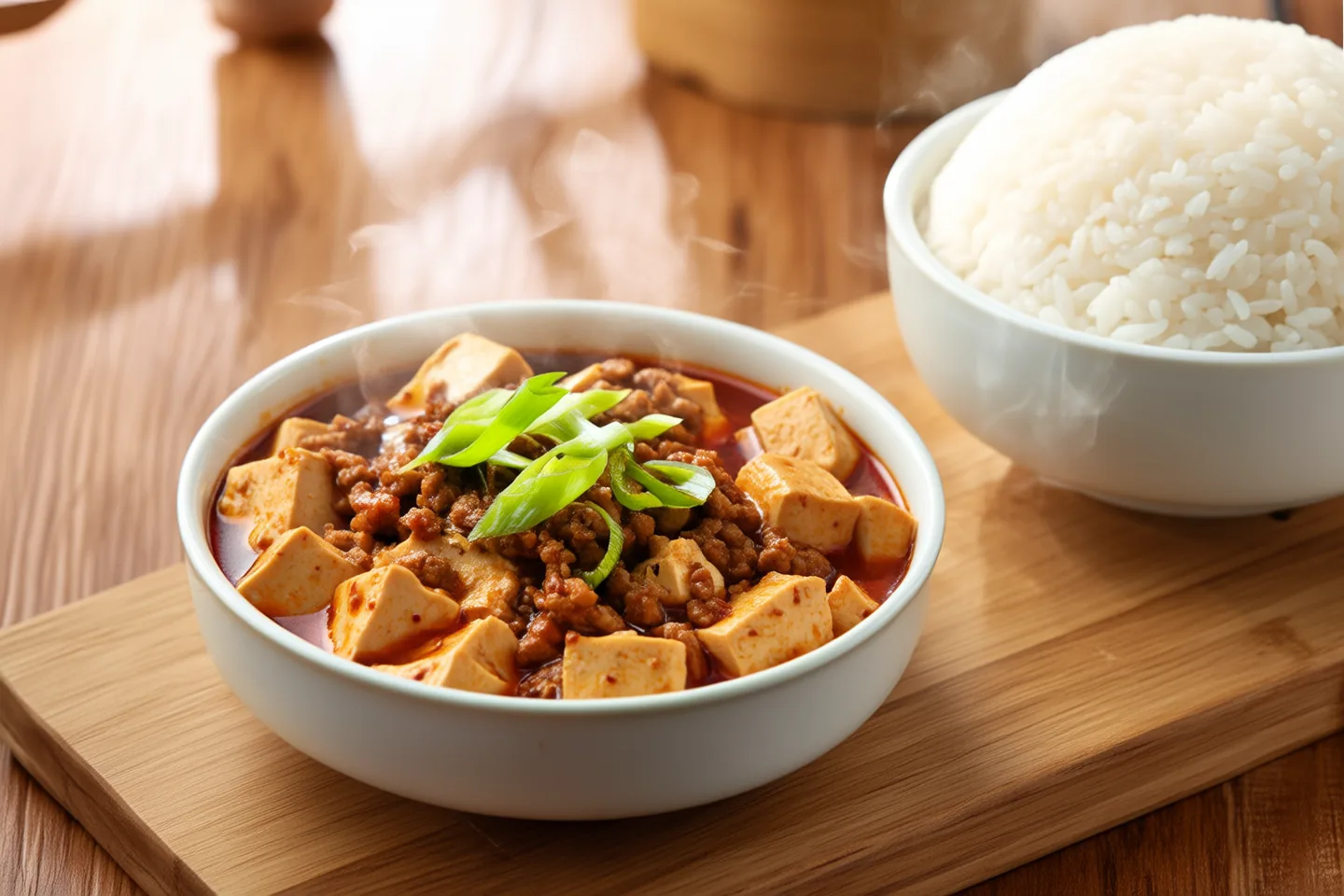
Mapo Tofu (麻婆豆腐)
麻婆豆腐 (Mapo Tofu (麻婆豆腐)) · má pó dòu fu