
Garlic Snow Peas Stir-fry (蒜蓉荷兰豆)
蒜蓉荷兰豆 · suàn róng hé lán dòu
荷兰豆 — the flat snow pea pod eaten whole — is one of the few vegetables that crossed into Chinese cooking from Europe and stayed. The rule everybody's mother repeats is that snow peas must stay loud: they should crack when you bite them and glow green on the plate. 蒜蓉荷兰豆 is that rule in its shortest form — string the pods, hot pan, garlic, two minutes, done.
Recipe author: HǎoWèi Test Kitchen
Home-cooking research team
Reviewed by HǎoWèi editorial team · Last updated 2026-08-29
Ingredients
- snow peas, stringed and ends snapped荷兰豆(撕筋去两头)🛒 local300 g
- garlic, thinly sliced蒜片🛒 local4 cloves
- ginger, thinly sliced姜片🛒 local3 slices
- carrot, sliced into thin flower-cut coins胡萝卜(切薄花片)🛒 local0.5 medium
- light soy sauce生抽🏮 asian1 tsp
- Shaoxing wine绍兴黄酒🏮 asian1 tsp
- toasted sesame oil芝麻香油🏮 asian0.5 tsp
- fine salt细盐🛒 local0.25 tsp
- neutral oil中性油🛒 local1.5 tbsp
snow peas, stringed and ends snapped: Pull the string from the straight side down the whole pod; it is what makes them tough.
🌶️ Adjust to your taste
Pick a level and we'll show exactly how much to change — no more "适量".
Spice level
Saltiness
Oiliness
Make it vegetarian
Instructions
1Snap the tip off each snow pea and pull the string down the straight edge, then rinse and dry completely.
🔍 Look forVisual: 豆荚平展、缝线干净、两头开口,表面完全干燥Pods lie flat with a clean seam, ends open; surface fully dry
You know it's right when: 折一根豆荚应清脆断掉,而不是像带子一样弯Bend a pod — it snaps cleanly instead of bending like a strap
Wet peas in a hot pan means steam, and steam means grey, soft pods.
2Heat a dry wok over medium-high until hot, add the oil, then the garlic and ginger. Stir for 15 seconds.
🔍 Look for Medium-high 15 秒 · 15 secondsVisual: 蒜片边缘刚上色,姜片边缘略干Garlic edges just start to colour; ginger looks slightly dried at the rim
You know it's right when: 香气清亮冲鼻,没有焦奶油味Aroma is sharp and clean with no browned-butter smell
3Add the carrot coins first and stir-fry for 30 seconds, since they need longer than the peas.
🔍 Look for Medium-high 30 秒 · 30 secondsVisual: 胡萝卜由哑光橙转为发亮的鲜橙Carrot turns from matte orange to a shiny brighter orange
You know it's right when: 筷尖能扎入但仍略有阻力A coin can be pierced with a chopstick tip but still resists slightly
4Add the snow peas and raise the heat to high. Toss continuously for 60 seconds.
🔍 Look for High heat 60 秒 · 60 secondsVisual: 豆荚转为鲜亮翠绿,平面出现少量起泡斑Pods turn vivid emerald and a few blister spots appear on the flat faces
You know it's right when: 听到干脆爆裂声,豆荚蹭锅吱吱响You hear a dry crackle and the pods squeak against the wok
5Splash the Shaoxing wine around the wok edge, add the soy sauce and salt, and toss for 15 seconds.
🔍 Look for High heat 15 秒 · 15 secondsVisual: 黄酒滋一声立刻蒸发,豆荚油亮但锅底无积液Wine hisses and vanishes instantly; pods are glossy but there is no puddle
You know it's right when: 生豆味被清甜豌豆香取代The raw beany smell is replaced by a sweet pea aroma
6Turn off the heat, add the sesame oil, toss once, and serve immediately.
🔍 Look forVisual: 翠绿豆荚配橙色胡萝卜片,颗颗分明油亮Emerald pods with orange carrot coins, each piece glistening and separate
You know it's right when: 咬一根会清脆作响、回甜,没有生味Bite one — it snaps loudly and tastes sweet, with no raw edge
Tips
- · Never cover the pan — trapped steam is exactly what turns peas grey.
- · Snap peas work too, but they need 20 seconds less; sugar snap pods are sweeter and thicker.
- · Salt at the end only. Salting at the start pulls water and softens the pod.
Sources & references
Quantities, technique notes, and substitution ratios are cross-checked against established Chinese cookery references and standard food-science sources.
- Read our editorial policy
- Fuchsia Dunlop, Land of Plenty: A Treasury of Authentic Sichuan Cooking
- USDA FoodData Central — ingredient nutrition and portion data
- Traditional Chinese family-kitchen practice and regional taste records
Common questions
Can I skip Shaoxing wine? What's the substitute?
Dry sherry is the closest 1:1 swap (fidelity ~80%). No sherry? Use a splash of white wine plus a little water, or just skip it and add a tiny extra pinch of sugar — the wine's job is depth and removing meat's gamey notes, and a good marinade covers most of it.
Source: HǎoWèi substitution engine
Is there a vegan substitute for oyster sauce?
Yes — 'mushroom oyster sauce' (often labeled vegetarian/vegan) is sold in most Asian grocers and increasingly in mainstream supermarkets. It behaves 1:1 and adds the same glossy umami. Watch labels if you're also gluten-free; most brands are GF, some aren't.
Source: HǎoWèi substitution engine
Can I reduce the salt/soy in this recipe?
Yes — soy sauce is the main sodium source. Use light soy at 2/3 amount and finish with salt only to taste. Rinse canned/doubanjiang components if possible. Note: reducing soy also reduces color; a drop of dark soy or a pinch of sugar can restore depth without salt.
Source: HǎoWèi diet guide
🥢 Ask HǎoWèi
Questions about technique, ingredients, substitutions, and flavor — answered from our verified cooking knowledge base.
What to serve with it
A complete Chinese dinner in one plan — pick one from each role.
What cooks say
Made this? Leave a note.
- No comments yet — be the first!
Cook next

Dry-Fried Green Beans (干煸四季豆)
干煸四季豆 (Dry-Fried Green Beans (干煸四季豆)) · gān biǎn sì jì dòu
Dry-Fried Long Beans
干煸豆角 (Dry-Fried Long Beans) · gān biān dòu jiǎo
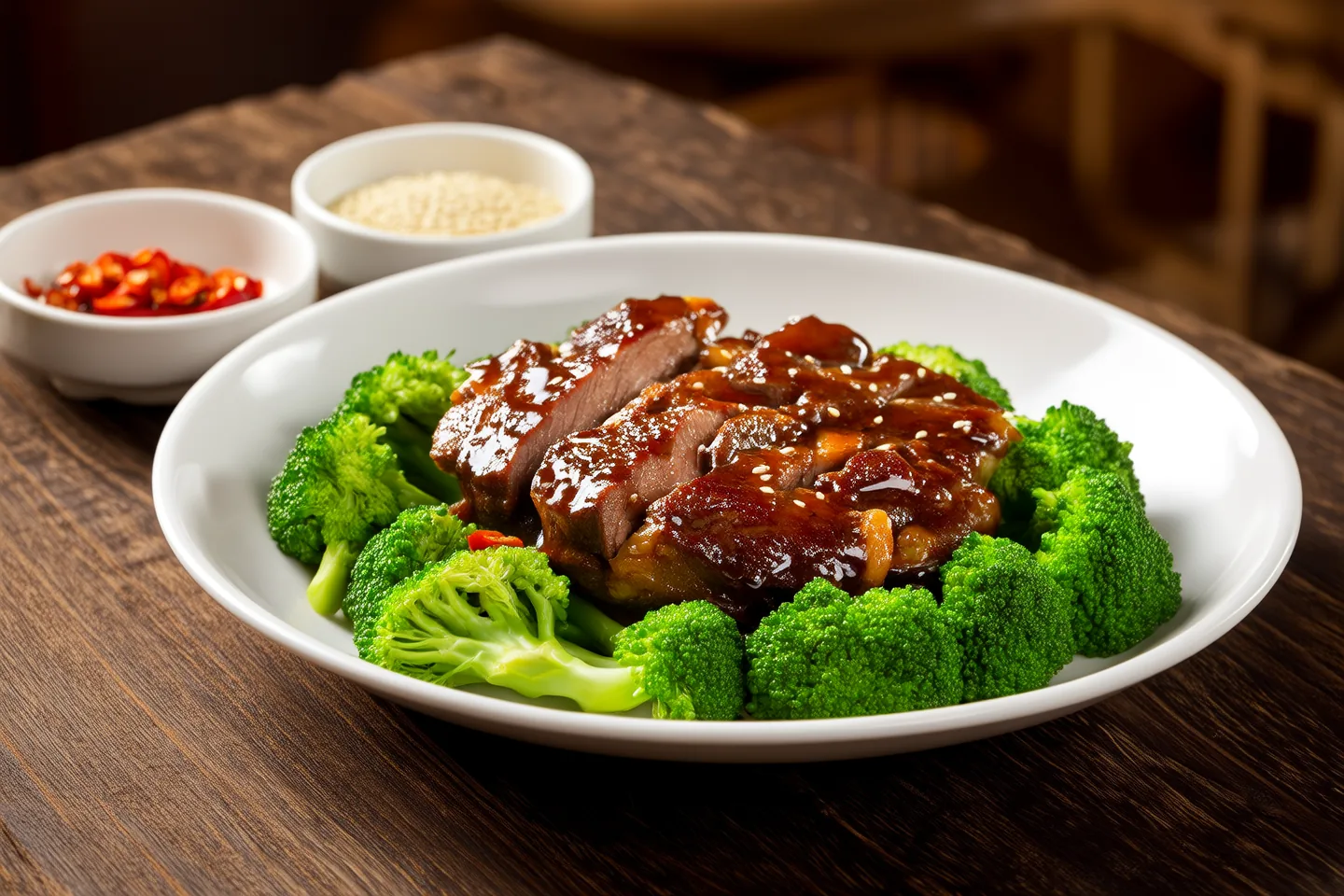
Garlic Broccoli Stir-fry (蒜蓉西兰花)
蒜蓉西兰花 (Garlic Broccoli Stir-fry (蒜蓉西兰花)) · suàn róng xī lán huā