What the tingle actually is
Sichuan peppercorn is not a pepper and not a chilli. It comes from a plant in the Zanthoxylum family, which makes it a cousin of citrus, not a relative of black pepper. The numbing tingle you feel is chemical, not heat. The compounds responsible are called sanshool, more precisely the hydroxy-alpha-sanshool family, and they act on the touch receptors in your lips and tongue.
Instead of burning like capsaicin from chilli, sanshool produces a faint vibration-like buzzing, often described around 50 Hz, that sits on top of whatever you are tasting. That is why the feeling fades and returns rather than building into a steady burn. It is a sensation, not pain, and it is the whole point of the spice.
Two grades: red and green
You will meet two main forms. Red Sichuan peppercorn, hong hua jiao, is the familiar one with its warm, tingly bite that anchors ma la, the numbing-and-hot pairing with chilli. Green Sichuan peppercorn, qing hua jiao, is brighter and more aromatic, leaning toward ma xiang, a numbing fragrance used in things like fish and cold dishes where you want scent more than fire.
- Red (hong hua jiao): warm tingle, the base of ma la with chilli.
- Green (qing hua jiao): greener, more fragrant, leans toward ma xiang.
- Both are the same family; the colour is the ripeness and the region.
- Buy whole berries when you can, not pre-ground dust.
Why it turns bitter or soapy
The spice is delicate. Most complaints about soapy or bitter peppercorn come from handling, not from the berry itself. The usual mistakes are heating it too hard, letting the oil smoke, using a stale pre-ground powder that has already gone flat, or tossing it into a dry pan before any oil is present so it scorches.
- Toasting at high heat until it darkens, which burns the oils.
- Adding it to oil that is already smoking, not just warm.
- Using old pre-ground powder that has lost its scent and gained a stale edge.
- Throwing it into a dry, hot pan where it scorches in seconds.
How to bloom it correctly
The safe method is gentle. Start with cold oil, add the whole berries, and warm over low heat for thirty to sixty seconds while you stir. Pull the pan off the heat the moment the kitchen smells citrus-floral and before anything darkens. If you prefer to grind your own, toast the whole berries in a dry pan for about thirty seconds, then grind them fresh.
- Put the berries in cold oil, not hot.
- Warm on low heat for 30 to 60 seconds, stirring.
- Stop the moment it smells fragrant, before it browns.
- Grind fresh if you want powder, toast dry for 30 seconds first.
Classic techniques that keep it aromatic
Sichuan cooking has a few habits that protect the tingle. None of them treat the peppercorn as a background dusting; it is usually added with intent at a specific moment.
- Peppercorn oil: infuse cold oil low and slow, then use the oil.
- Whole berries in red-braised dishes, added briefly, then lifted out.
- Good cooks often add them twice, or remove the berries before serving.
- Ground added late, off the heat, to keep the aroma.
- A final dust of fresh powder as a finishing touch, not a simmer spice.
Buying, storing, and fixing the bitter
Smell before you buy. Fresh berries should be citrus-floral and almost sharp; if they smell flat or dusty, skip them. Avoid the pre-ground supermarket jars that have sat on a shelf for a year. At home, keep them whole, in a sealed jar, away from light and heat. If a dish has already gone bitter, the fix is usually to balance, not to push further.
Dishes where it does the work
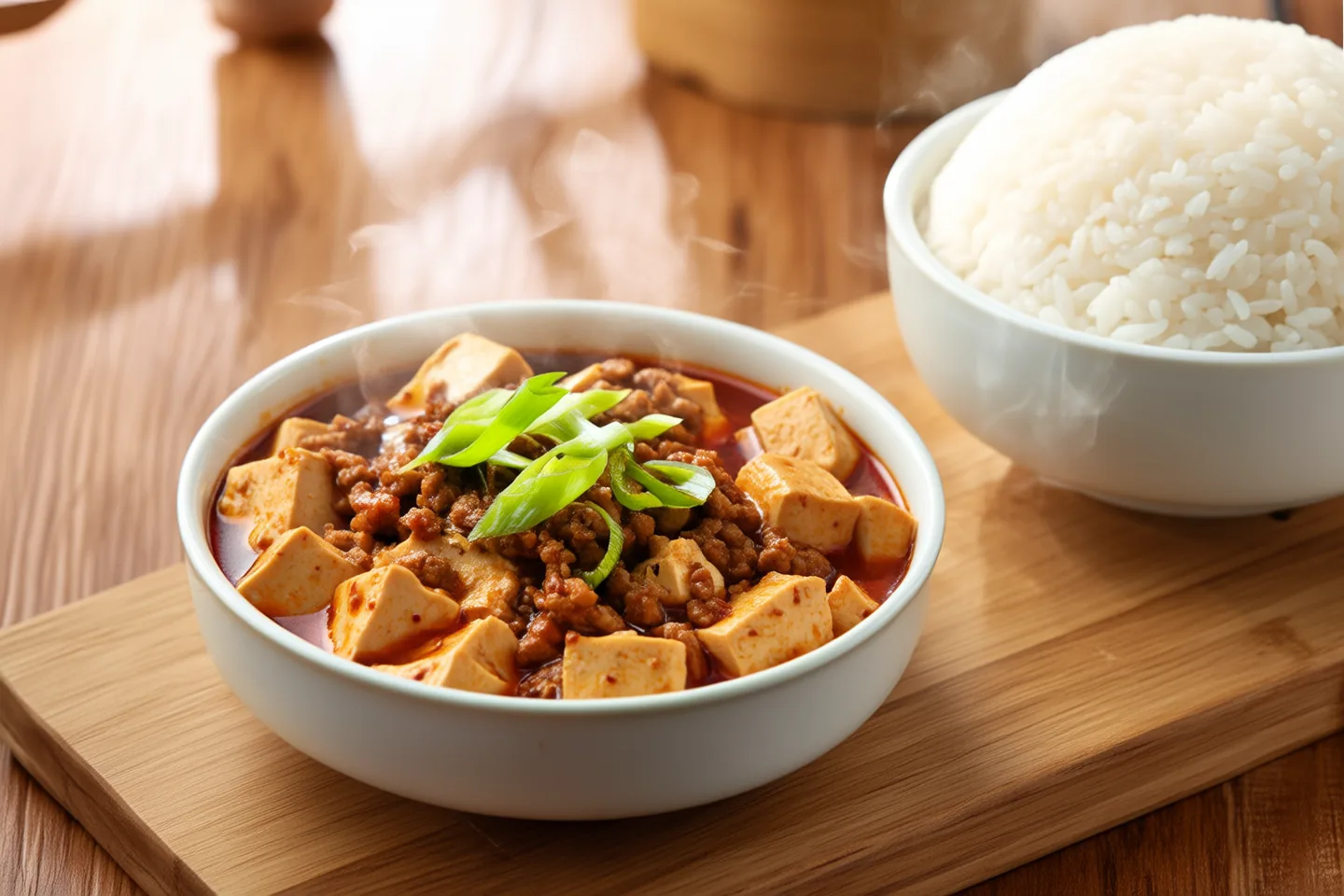
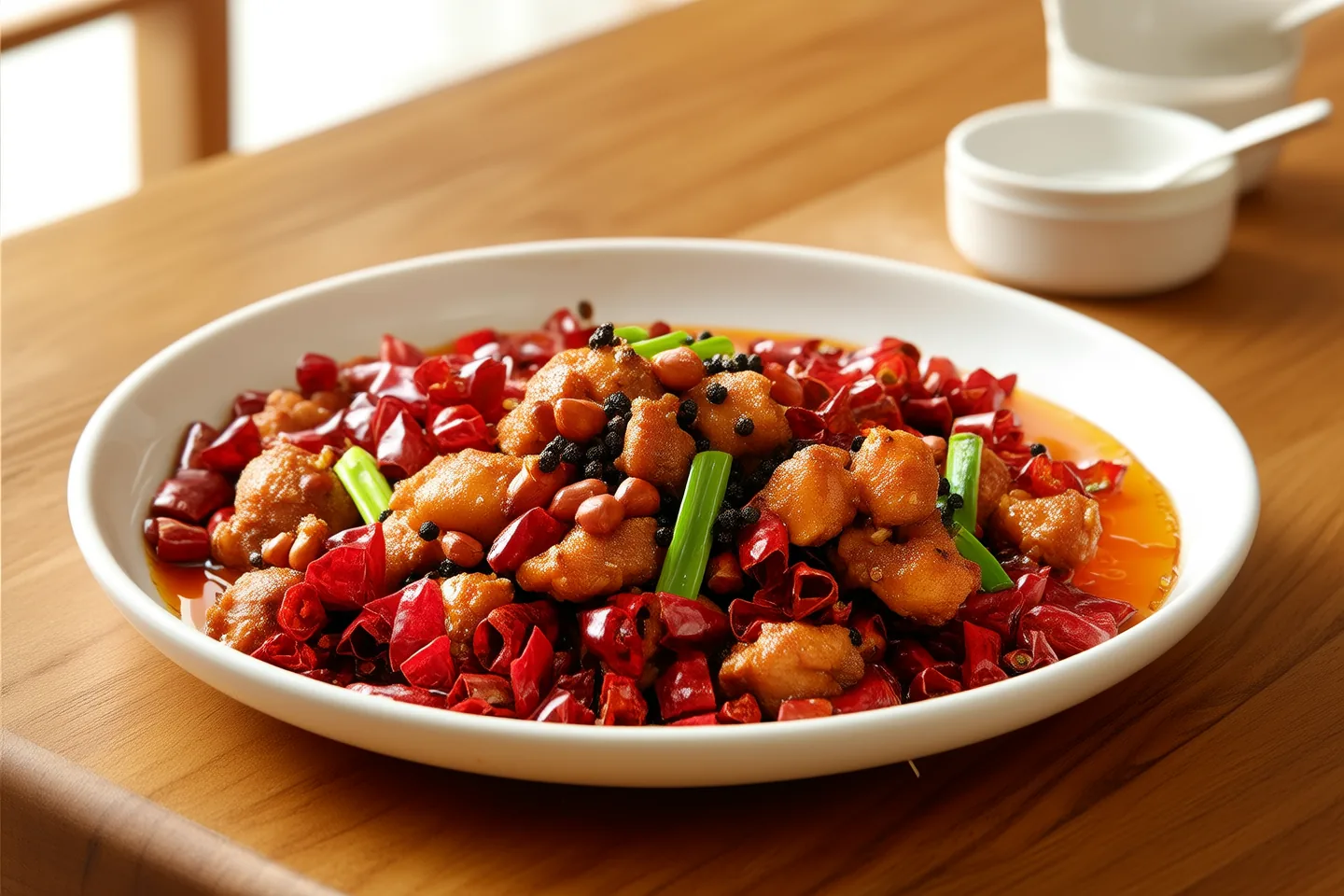
Once you handle it right, the peppercorn anchors a short list of classics. Mapo tofu depends on it for the ma la mouthfeel, and our /en/recipes/mapo-tofu recipe shows the late-add technique. Kung pao chicken uses it for lift rather than fire, see /en/recipes/kung-pao-chicken. Beyond those, ma la hotpot and Sichuan cold noodles both lean on it heavily, and it pairs naturally with doubanjiang, which we cover in /en/blog/doubanjiang-101. For more, see /en/blog.
- Mapo tofu, for the ma la tingle.
- Kung pao chicken, for aroma and lift.
- Ma la hotpot, where it sets the whole pot.
- Sichuan cold noodles, dressed with peppercorn oil.
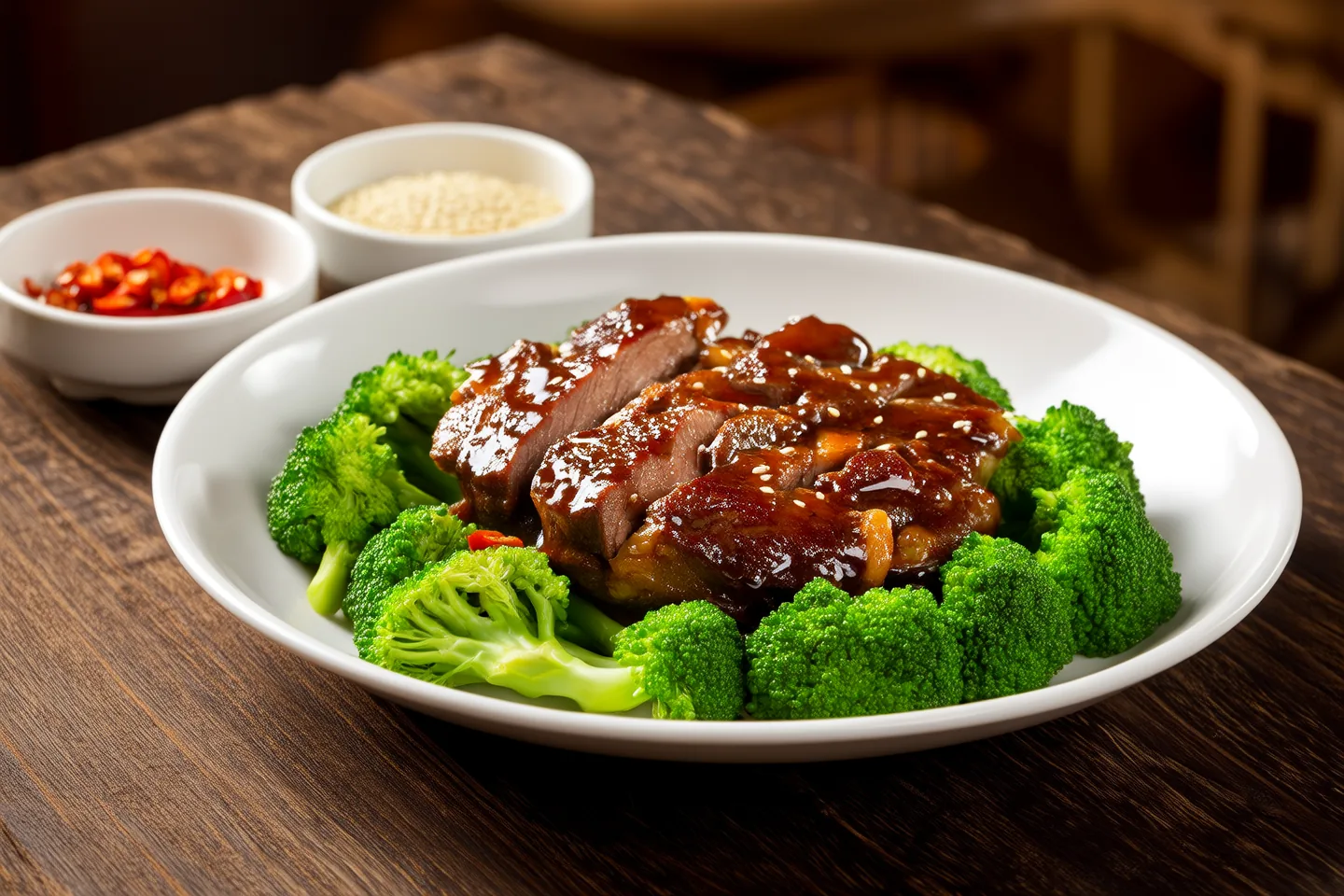
- Red-braised dishes, with berries added briefly and removed.