Oyster sauce is the fastest way to add depth to a stir-fry, and also the condiment most likely to sit in the door of the fridge for two years. The reason is usually the same: people add it at the wrong moment, get a burnt bitterness once, and stop reaching for it.
What it actually is
Real oyster sauce is made by simmering oysters until the liquid reduces to a dark, savoury syrup. What most bottles contain is closer to a seasoned sauce built around oyster extract, thickened with starch and sweetened to balance the salt. That is not a defect. It is what makes the product stable and affordable.
The useful consequence: oyster sauce already contains sugar and starch. Any recipe you add it to needs less of both.
Where it belongs in the cooking order
- Add it after the aromatics have released their flavour, not before.
- Keep the heat moderate once it is in. Sugar and starch scorch quickly.
- If the sauce starts to darken and smell sharp, the pan is too hot. Pull it off, add liquid, and continue.
- Thin it with a splash of stock or water if the dish is drying out. It thickens as it reduces.
Substituting oyster sauce
None of these are true equivalents. Vegetarian mushroom sauces are the closest in texture, and hoisin is the closest in flavour, but hoisin changes the dish more than people expect.
Getting through a bottle
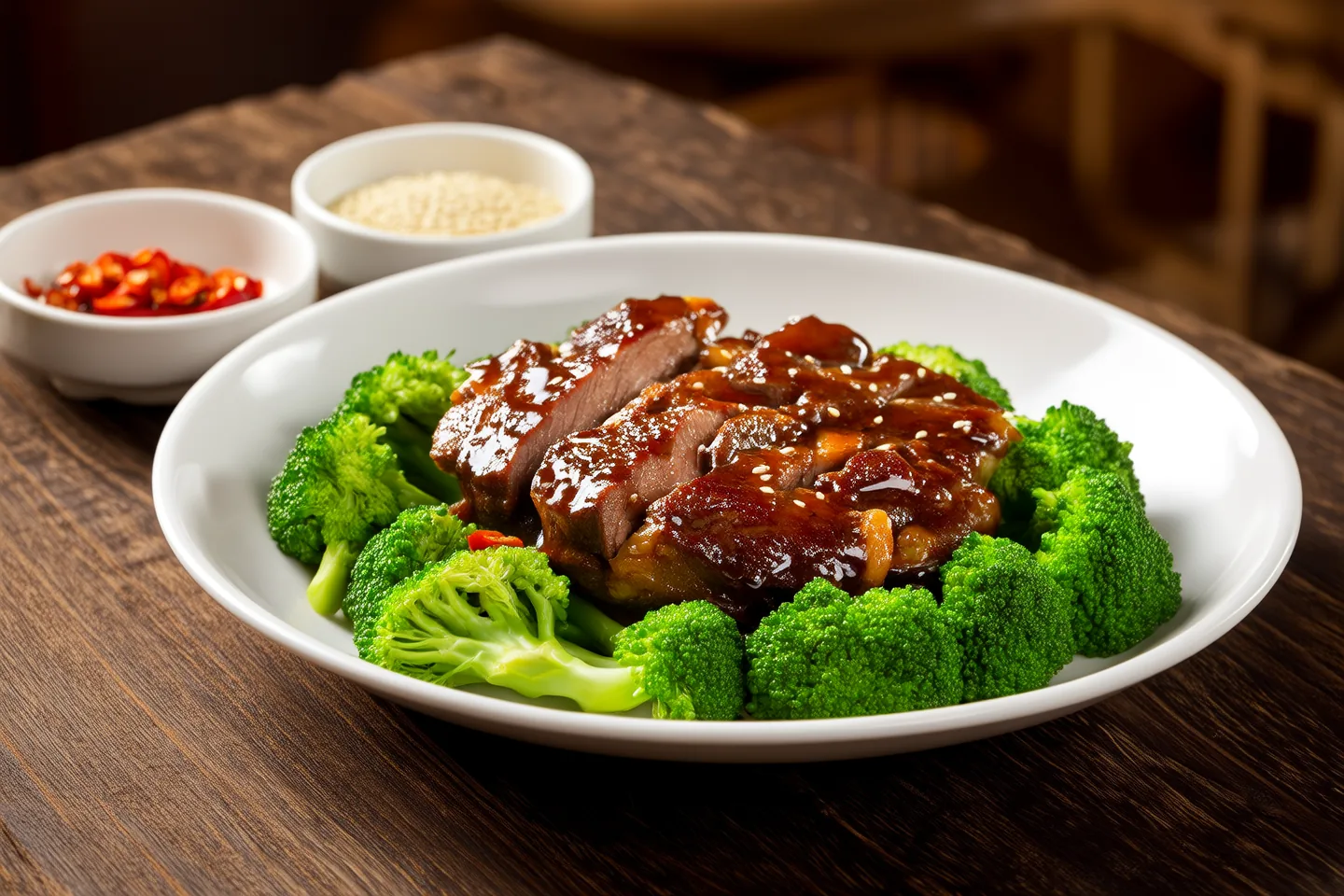
- Blanch green vegetables and toss with a spoon of oyster sauce and a little oil. Two minutes, no recipe needed.
- Use it as the base for a quick braise instead of soy sauce. It brings body that soy alone does not.
- Stir a small amount into fried rice at the end, off the heat.
- Marinate sliced beef or chicken with it before a stir-fry. It tenderises slightly and seasons at the same time.
Storage
Refrigerate after opening. A dark, thick sauce does not spoil quickly, but it does lose aroma over many months. If it has separated, stir it back together before using.