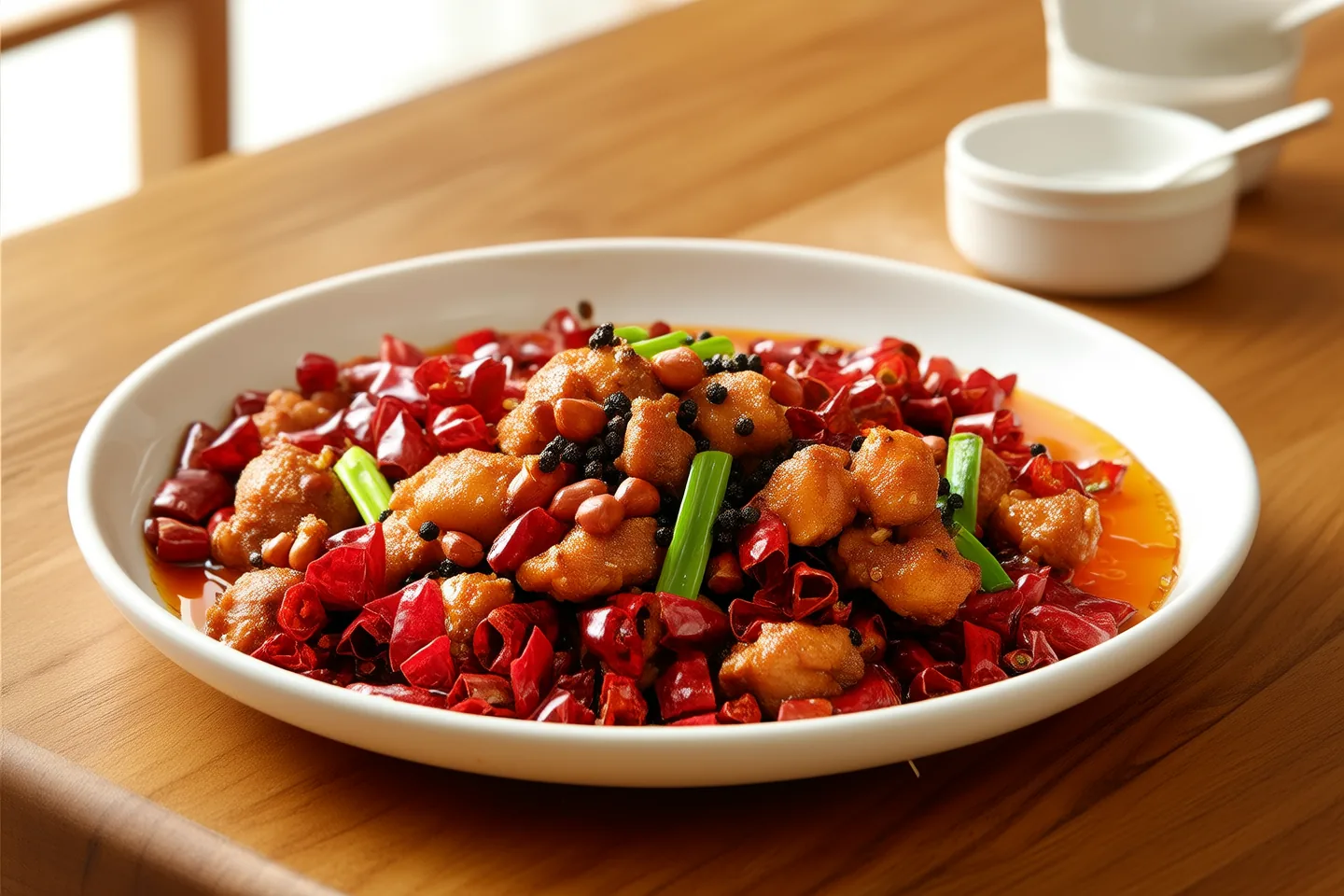
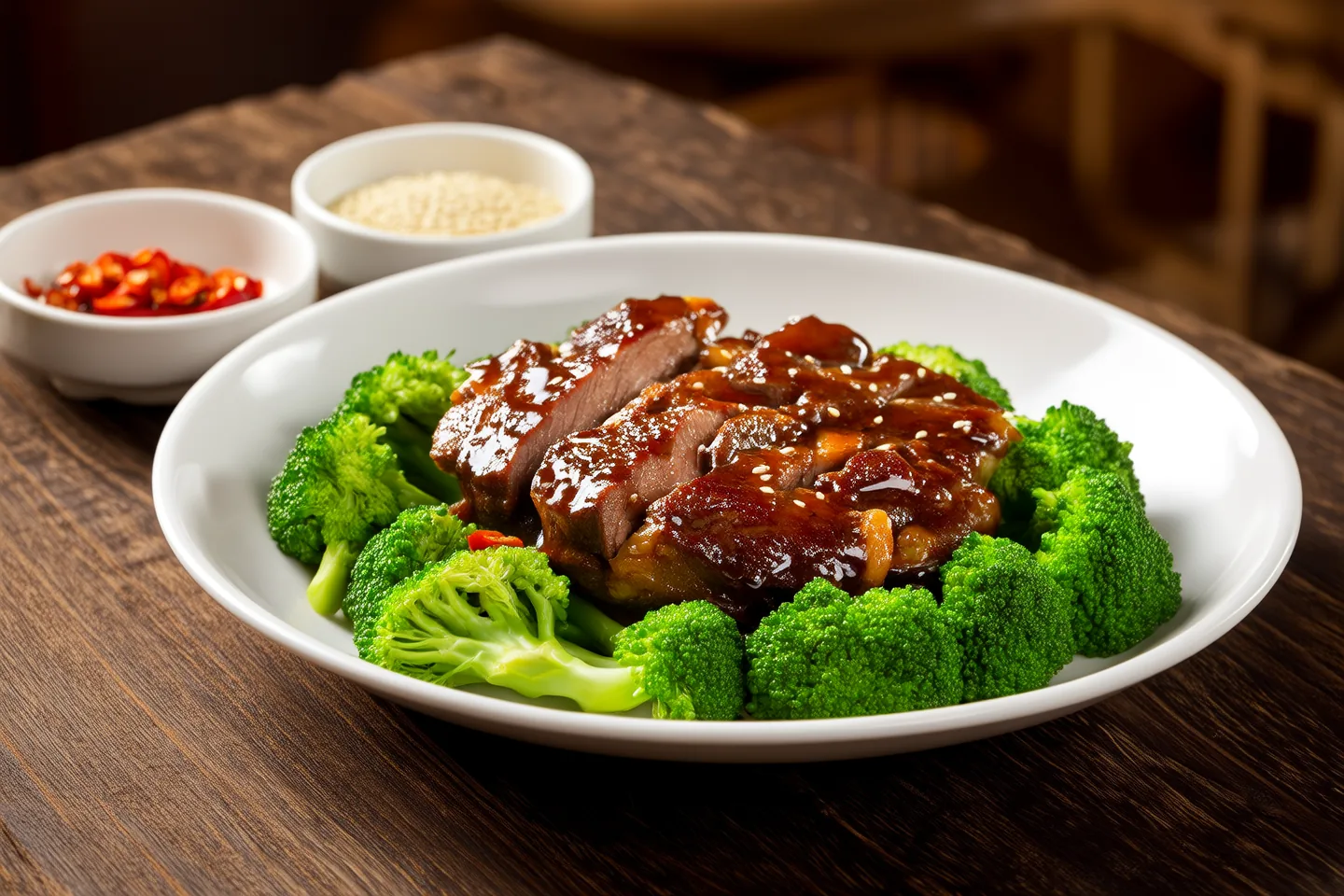
If you've ever marinated meat at home and it came out dry or bland, the problem is rarely the recipe. It's usually the order, the timing, or the missing ingredient that most home cooks overlook.
The four-step order (and why it matters)
Chinese marinades follow a strict sequence. Get it wrong and the flavors sit on the surface instead of penetrating the meat.
- Salt first — it draws out moisture and begins protein breakdown
- Soy sauce / seasoning second — flavor penetrates as the meat relaxes
- Oil last — seals in moisture and prevents sticking during stir-fry
- Starch optional — a light cornstarch coating gives restaurant-quality silkiness
How long is enough?
Thinly sliced meat (stir-fry cuts): 15–30 minutes. Diced or cubed: 30–60 minutes. Whole pieces (chicken thighs, pork chops): 1–4 hours, ideally overnight. Beef benefits from longer marinating; pork and chicken need less time.
The velveting shortcut
Restaurant-style silkiness comes from a technique called velveting — a light coat of cornstarch mixed with egg white or water, applied after the wet marinade has been absorbed. The starch gelatinizes during cooking, creating a protective layer that locks in juices.
- Ratio: 1 tsp cornstarch per 200g meat
- Mix with a splash of water or egg white until slurry forms
- Add to meat after the wet marinade has been absorbed
- Let sit 10 minutes before cooking
Common mistakes
- Adding oil before soy sauce — the fat blocks flavor penetration
- Marinating too long — acid (vinegar, wine) breaks down proteins past the point of no return, making meat mushy
- Using the same marinade for every meat — beef needs stronger seasoning; chicken is delicate
- Skipping the rest time — the starch coating needs 10 minutes to hydrate and adhere properly
Master this sequence and you'll never have dry, bland stir-fried meat again. Every recipe on HǎoWèi that calls for marinated meat follows these principles — check the ingredient notes for exact ratios.