Microwave chinese recipes get written off as a compromise, and for most cuisines that is fair. Chinese cooking is the exception, because steaming, blanching and gentle reheating are the techniques it leans on hardest, and those are exactly what a microwave does well. Below are ten microwave chinese food dishes built on that overlap, with the power settings, cover rules and timings that separate a silky result from a rubbery one. None of them need a wok, and most finish inside twelve minutes.
Why the microwave suits Chinese technique
Four techniques carry most of a Chinese home kitchen, and three of them are wet heat. That is the whole argument for quick chinese recipes in a microwave.
- Steaming. A microwave turns the water inside the food into steam rather than heating it with dry air, which is why covered dishes come out close to what a steamer produces.
- Blanching and poaching. A bowl of stock plus protein plus a cover is functionally a small poaching pot, and it needs no watching.
- Reheating without drying. Steamed buns, leftover rice and braised dishes recover better under a cover in a microwave than in a dry pan.
- What it cannot do: browning. No Maillard reaction happens at microwave temperatures, so anything that depends on a crust belongs on the stove.
Ten microwave chinese recipes, easiest first
Ordered by how forgiving each one is, not by how fast. Start at the top and work down over two weeks.
- Steamed egg with minced pork (肉末蒸蛋) at /recipes/minced-pork-steamed-egg. The single best dish to learn on: egg, water and a spoon of minced pork, six to eight minutes at medium power. Get this right and the rest follow.
- Shrimp steamed egg (虾仁蒸蛋) at /recipes/shrimp-steamed-egg. The same custard with shrimp laid on top in the last two minutes, so the shrimp stay bouncy instead of overcooking.
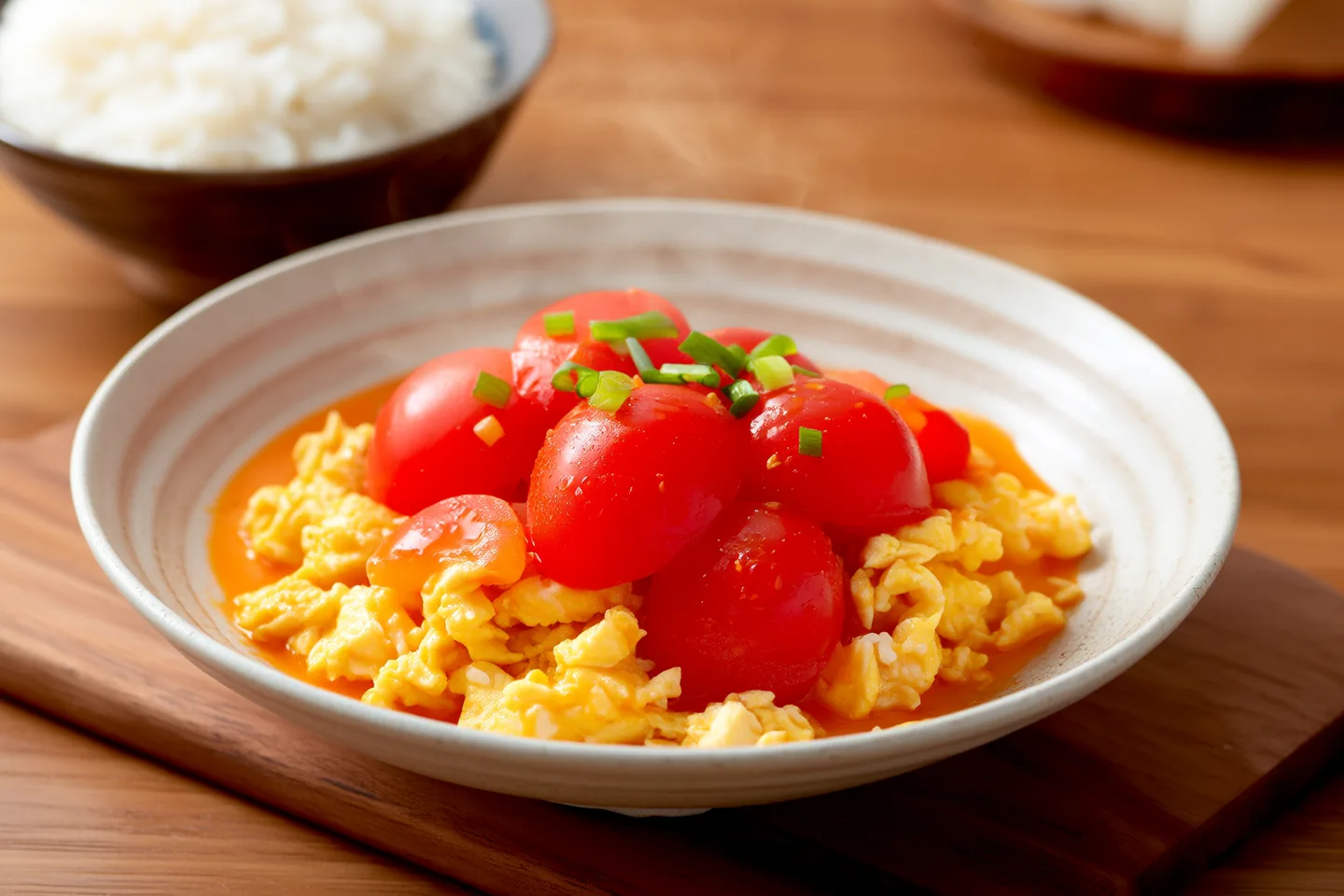
- Tomato and egg (番茄炒蛋) at /recipes/tomato-and-egg. Tomatoes release enough water to cook themselves; scramble the egg separately for ninety seconds and fold it in at the end.
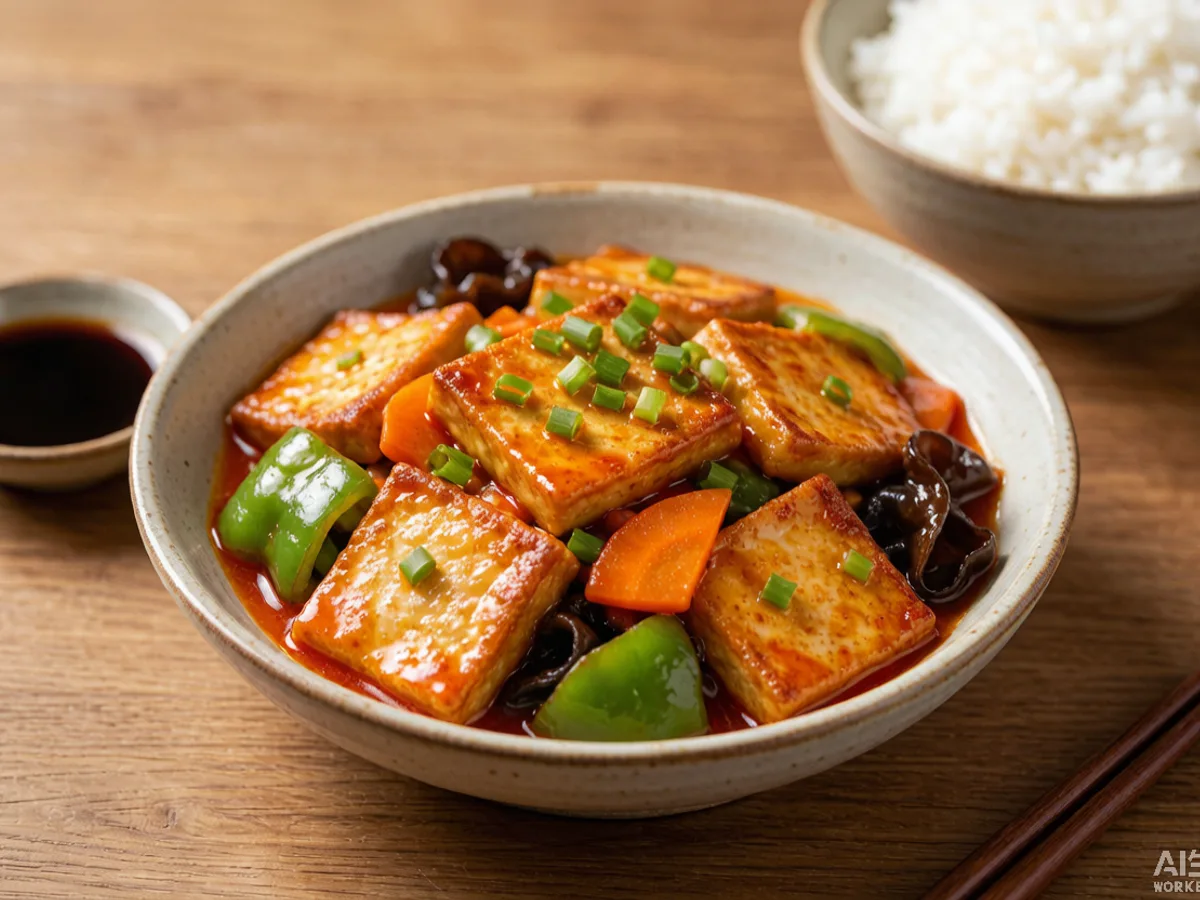
- Home-style tofu (家常豆腐) at /recipes/home-style-tofu. Tofu needs no browning here, so the microwave handles it fully. Add the sauce before heating, not after.
- Steamed bass (清蒸鲈鱼) at /recipes/steamed-bass. A 400 g fish takes about seven minutes covered. Score the thickest part so the heat reaches the bone at the same time as the tail.
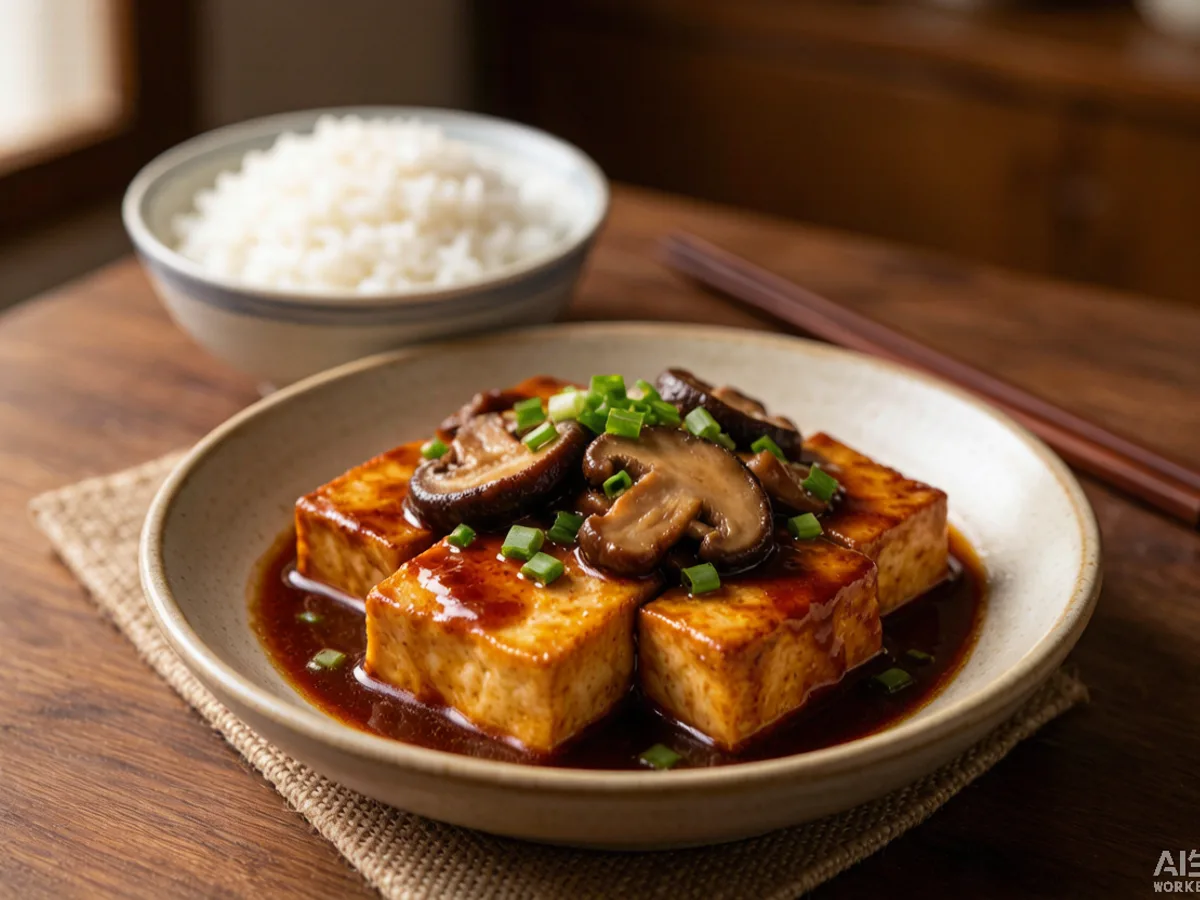
- Braised tofu (红烧豆腐) at /recipes/braised-tofu. Braising is just long gentle heat, and the microwave does it without the pan sticking. Finish with a spoon of the sauce reduced on the stove if you want it glossy.
- Winter melon soup (冬瓜汤) at /recipes/winter-melon-soup. Winter melon goes translucent in about eight minutes. It is the fastest soup on this list and the one that tastes like it simmered longer.
- Sweet corn pork bone soup (玉米排骨汤) at /recipes/sweet-corn-pork-bone-soup. Blanch the ribs on the stove first, then let the microwave do the long part. Twenty minutes covered beats an hour unattended.
- Steamed hairy crab (清蒸大闸蟹) at /recipes/steamed-hairy-crab. It works in a pinch at five minutes per crab, though a real steamer still gives better texture. Worth doing when you have one crab and no patience.
- Egg fried rice (蛋炒饭) at /recipes/egg-fried-rice. The microwave cannot fry, but it can heat cold rice through and set an egg into it. Use day-old rice and accept that you are making a soft version, not a wok version.
Power level and cover: the two settings that matter
Almost every bad microwave result comes from full power and no cover. Fix those two and most dishes improve immediately.
- Run protein at 60-70% power. Full power sets the outside before the middle warms, which is what makes fish stringy and steamed egg spongy.
- Cover everything. A microwave-safe lid, a plate or wraps all work. An uncovered bowl loses the steam that is doing the cooking.
- Stir or rotate once, halfway. Microwave cavities have hot spots, and one rotation costs five seconds.
- Rest one minute after the beep. Carryover heat finishes the centre, and skipping the rest is why steamed egg looks underdone and then turns solid when you stir it.
Where the microwave stops and the stove starts
Being honest about the limit saves more dinners than any tip. Four categories should stay on the burner.
- Anything battered or deep-fried. No crust forms, so you get pale and soggy instead of crisp.
- Dry-fried dishes. Green beans, long beans and anything labelled 干煸 need surface moisture driven off, which is the opposite of what a covered microwave does.
- Large cuts of meat. Anything thicker than about 4 cm heats too unevenly to be safe or pleasant.
- Anything you want browned. If the recipe calls for colour, the microwave is the wrong tool and no setting fixes it.
Batch a week of microwave lunches
The microwave pays off most when you are not cooking one dish at a time. One hour on Sunday covers five lunches.
- Cook two egg-based dishes and one soup on Sunday. They keep three days refrigerated and reheat in under three minutes.
- Portion into single-serving containers before refrigerating. Reheating a large block heats the edges long before the middle.
- Keep raw aromatics separate. Scallion oil and fresh herbs go on after reheating, not before.
- Leave one slot for leftovers. Yesterday's braised tofu reheats better than anything you would cook fresh at an office.
Start with /recipes/minced-pork-steamed-egg tonight, then read /blog/light-vs-dark-soy-sauce for the soy that seasons most of these. Every recipe above is on haoweirecipes.com with full timings. More lists like this are at /blog, and the full recipe index is at /.