Sichuan peppercorn oil (花椒油, huājiāo yóu) is the quiet workhorse of Sichuan cooking. A dish can be spicy, salty, and fragrant and still feel incomplete if it doesn't end with that gentle tingle on the lips. That tingle is exactly what this oil provides.
Why Sichuan peppercorns are not pepper
Despite the name, Sichuan peppercorns are the dried husks of the prickly ash tree (Zanthoxylum), not a relative of black pepper. They contain hydroxy-alpha-sanshool, a compound that produces a buzzing, numbing sensation rather than heat. That numbness — the má in 麻婆豆腐 — is the backbone of Sichuan flavor, and oil is the best carrier for it.
Choose the right peppercorns
- Red Sichuan peppercorns (红花椒): the classic, with a strong citrusy aroma and pronounced numbing. Best for mapo tofu and braises.
- Green Sichuan peppercorns (青花椒): fresher, grassier, slightly less numbing. Popular in fish and chicken dishes from the southwest.
- Flower pepper / tengjiao (藤椒): young green husks with a delicate, floral punch. Used for quick infusions and cold dishes.
For your first batch, buy whole red peppercorns from a source you trust. Pre-ground powder loses aroma within weeks and cannot be strained into a clean oil.
Method one: the cold steep
Cold steeping is the safest way to get a clear, elegant oil. The aroma infuses slowly at room temperature and nothing burns.
- Gently toast 30 g of whole red Sichuan peppercorns in a dry pan over low heat for 60–90 seconds, just until they release their citrus smell. Do not let them smoke.
- Let them cool completely, then crush them lightly with the side of a knife or a pestle. Leave some husks whole for texture in the oil.
- Put the peppercorns in a clean, dry glass jar and pour in 250 ml of neutral oil (rapeseed or sunflower both work well).
- Seal the jar and leave it at room temperature for 24–48 hours, shaking once or twice.
- Strain through a fine sieve lined with muslin, then bottle. The oil stays clear and bright, with a clean, persistent tingle.
Method two: the hot pour
The hot pour is what most Sichuan restaurants do: heat the oil, pour it over the peppercorns, and let the sizzle do the work. It is faster and more aromatic, but easier to get wrong.
- Toast and lightly crush 30 g of peppercorns as above, and place them in a heatproof bowl.
- Heat 250 ml of oil to 160–170 °C (a chopstick dipped in the oil should sizzle immediately).
- Pour the hot oil over the peppercorns in two stages, letting the bubbles subside between pours.
- Wait 10 minutes, then stir in a pinch of salt. Strain and bottle once fully cool.
How mapo tofu uses it
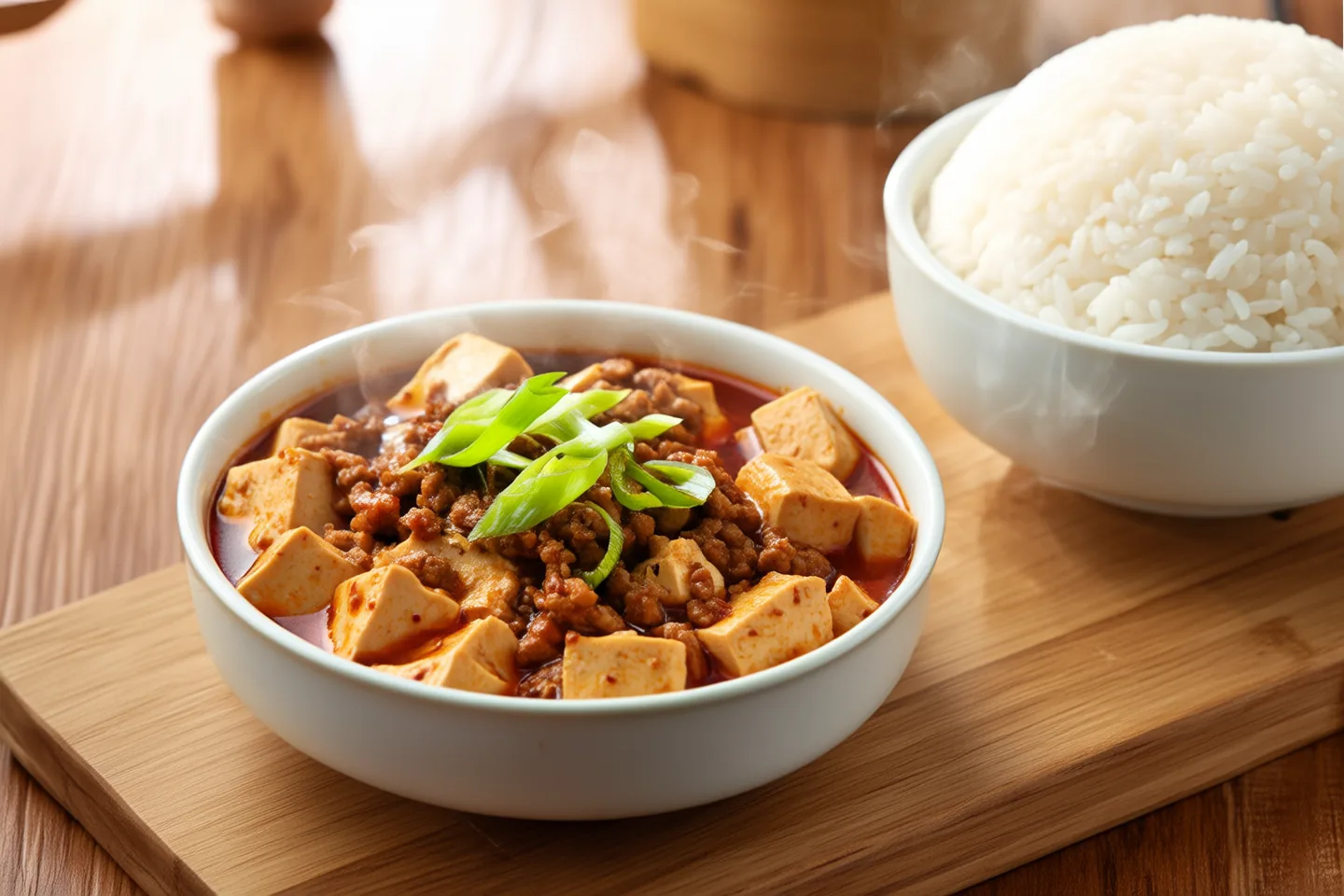
In mapo tofu, the peppercorn oil appears twice. A little goes into the sauce while it simmers, and a final spoonful is drizzled over the top just before serving so the numbness hits first. Home cooks can cheat the second step: keep a bottle of cold-steeped peppercorn oil in the pantry and finish any Sichuan-style stir-fry with a teaspoon of it.
How to store it
- Keep it in a cool, dark place, away from the stove.
- Use a clean, dry spoon every time — moisture is what turns infused oils rancid.
- Cold-steeped oil keeps for about a month; hot-poured oil is best within two to three weeks.
The thirty-second test
Dip a clean chopstick into your oil and touch it to the tip of your tongue. You should feel a gentle, spreading buzz that fades within a minute. If you feel only oil, the heat was too high or the peppercorns were old. If it burns, those were chilis, not Sichuan peppercorns.